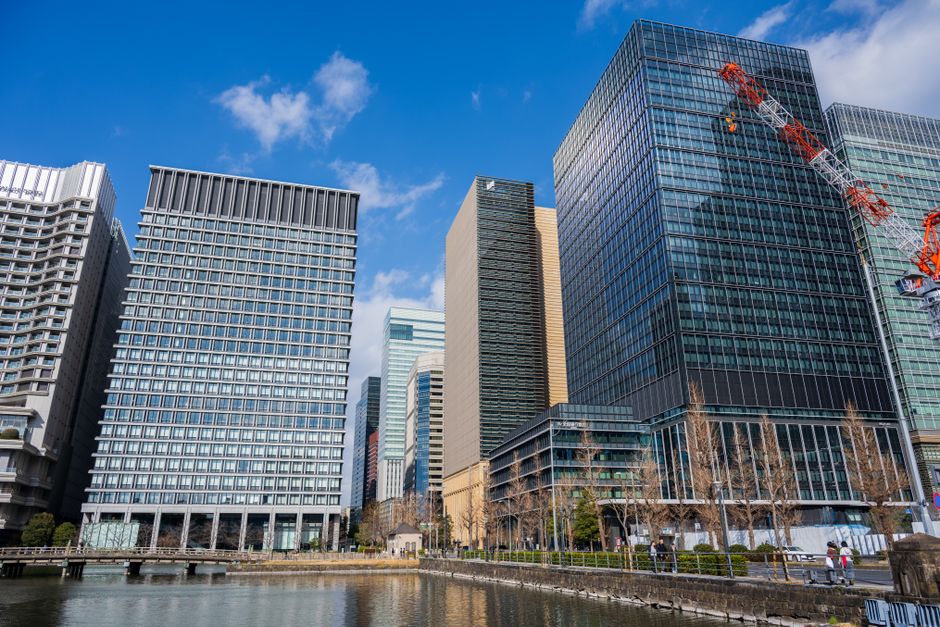
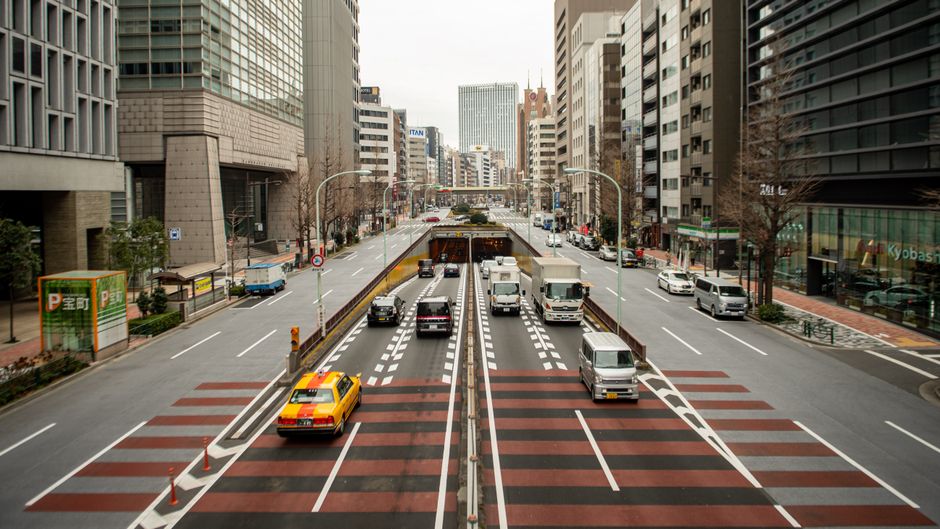
Walk down Meiji-dori on any weekday morning and you'll spot the unmistakable signs: construction cranes above Harajuku, new storefronts opening in Aoyama, and venture capital firms expanding their offices across Marunouchi. But what do these visible changes actually tell us about where money is moving—and why small business owners should care?
The Bank of Japan's latest data shows domestic corporate investment rose 3.2% year-on-year in Q1 2026, a meaningful jump from the 1.8% growth recorded twelve months earlier. For independent retailers and service providers, this broader indicator matters because it reflects confidence in the economy. When large corporations invest, supply chains tighten, commercial rents stabilise, and customers have deeper pockets.
In Shimokitazawa, where independent cafés and vintage shops form the neighbourhood's cultural backbone, owners are watching yield curves closely. A 60-square-metre retail space that rented for ¥480,000 monthly in early 2025 now commands ¥510,000—a 6% increase. That's not random. It reflects investor confidence that foot traffic and consumer spending will justify higher rents. Local real estate agents report that institutional investors are acquiring small commercial properties at a faster pace, bundling them into portfolios targeting mid-sized cities as well as central Tokyo.
The yen's recent stability—trading around 145 to the US dollar—has also shifted investment flows. Weaker currency typically boosts export-dependent manufacturers, but it simultaneously attracts foreign capital into Tokyo's service sector. American and European private equity firms have deployed approximately $2.3 billion into Japanese hospitality and retail over the past eighteen months, according to Tokyo Metropolitan Government figures.
What's crucial for entrepreneurs is understanding velocity. Money moves fastest into sectors showing productivity gains. Restaurants adopting digital ordering systems, fitness studios offering hybrid memberships, and boutique consulting firms with remote capabilities attract investment more readily than traditional brick-and-mortar operations.
The Tokyo Stock Exchange's Mothers Index—tracking high-growth startups—climbed 18% in the first half of 2026. This signals that appetite for risk exists, yet it typically favours technology-adjacent businesses. For traditional small businesses in neighbourhoods like Ginza or Roppongi, indirect benefits arrive slower: increased foot traffic, higher quality landlords competing for tenants, and gradual wage growth among employees.
The lesson? Economic indicators aren't merely abstractions for economists. They're signals embedded in rental agreements, capital availability, and consumer confidence—the actual oxygen sustaining Tokyo's vibrant small business ecosystem.
This article was compiled by AI from the sources linked above and screened before publishing. See our editorial standards.