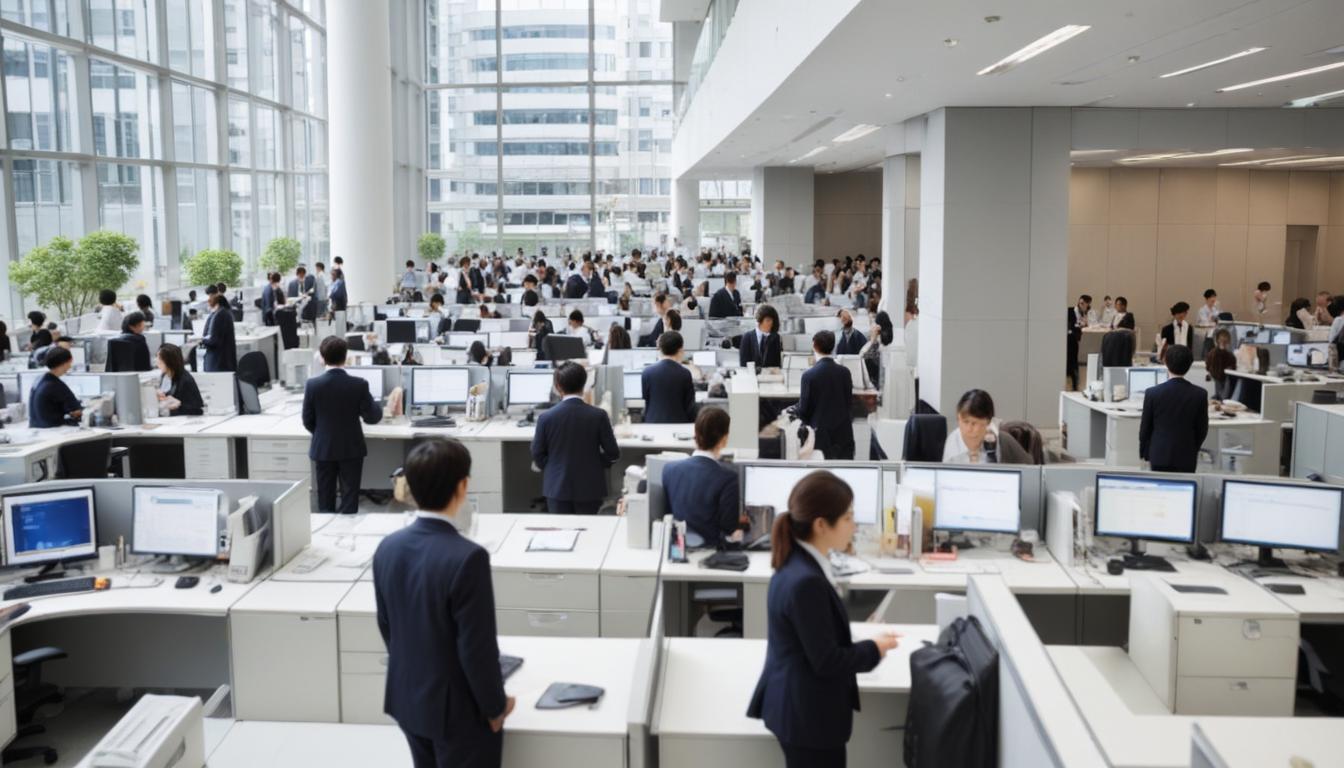
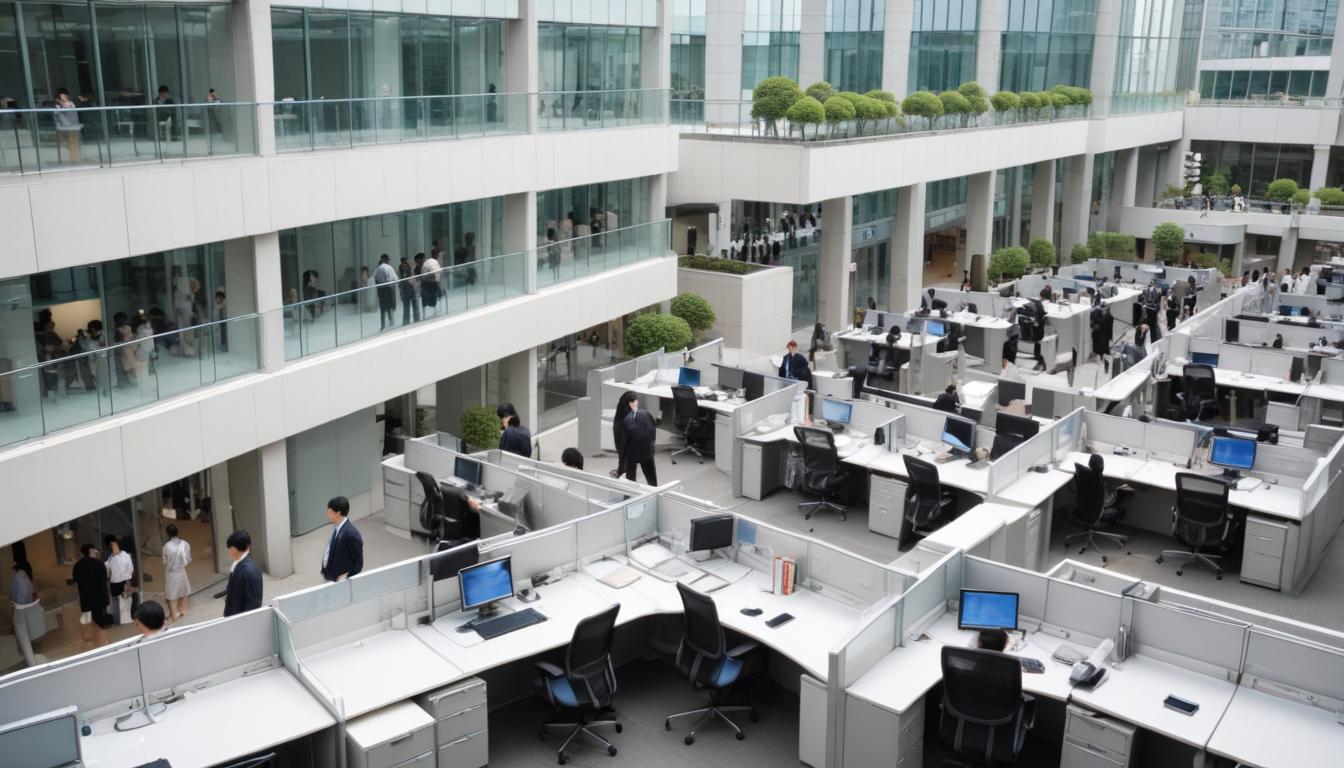
Walk through Marunouchi on any given morning and you'll see it: Tokyo's business elite moving with renewed urgency, their conversations punctuated by references to supply-chain fragility and geopolitical hedging. The crises unfolding in Venezuela and the Middle East aren't distant problems for Japan's capital—they're actively reshaping boardroom strategy and consumer behaviour in ways that demand immediate attention.
The arithmetic is brutal. Major Japanese trading companies with operations across the Middle East and Latin America are recalibrating their exposure. Insurance costs for vessels transiting sensitive maritime routes have climbed 12-15% in recent weeks, according to logistics specialists tracking the sector. For firms operating out of office parks along Kasumigaseki and around Tokyo Station, that translates into narrower margins and tougher quarterly forecasts.
The pressure is already visible in Tokyo's consumer-facing sectors. Ginza's luxury retailers report cautious spending from wealthy Venezuelan and Middle Eastern clientele—traditionally reliable sources of high-margin sales—as capital flight and political uncertainty grip those regions. Premium retailers on Omotesando have noted a 7-8% year-on-year decline in visits from these demographics compared to the same period last year.
Meanwhile, energy prices remain volatile. Japan's heavy reliance on Middle Eastern crude means any escalation in tension feeds directly into transportation costs. For small and medium-sized manufacturers scattered across Tokyo's industrial zones in Ota and Shinagawa, rising fuel expenses compress already tight profit margins, forcing difficult choices about pricing and investment.
The uncertainty is also triggering capital reallocation. Institutional investors managing funds from offices in Shinjuku and Shibuya are shifting allocation patterns, reducing exposure to emerging markets and rotating toward perceived safe havens. This capital flight weakens currency values in developing economies, making Japanese exports relatively more expensive—a headwind for Tokyo-based manufacturers serving price-sensitive markets.
Recruitment is subtly shifting too. Senior executives at major corporations report difficulty attracting talent willing to accept postings in Latin America and parts of the Middle East, complicating succession planning and regional expansion strategies. For firms headquartered in the Otemachi financial district, this means reconsidering their overseas footprint and redeploying experienced staff toward more stable geographies.
The broader message filtering through Tokyo's business community is sobering: cost of living pressures for ordinary workers will persist as long as these global headwinds blow. Domestic inflation, driven partly by imported energy costs and supply-chain disruption, continues eating into household purchasing power. For retailers in Shinjuku and Shibuya, that means customers trading down and spending more cautiously than they did twelve months ago.
Tokyo's business class isn't panicking—but it is planning for a prolonged period of elevated uncertainty and constrained growth.
This article was compiled by AI from the sources linked above and screened before publishing. See our editorial standards.