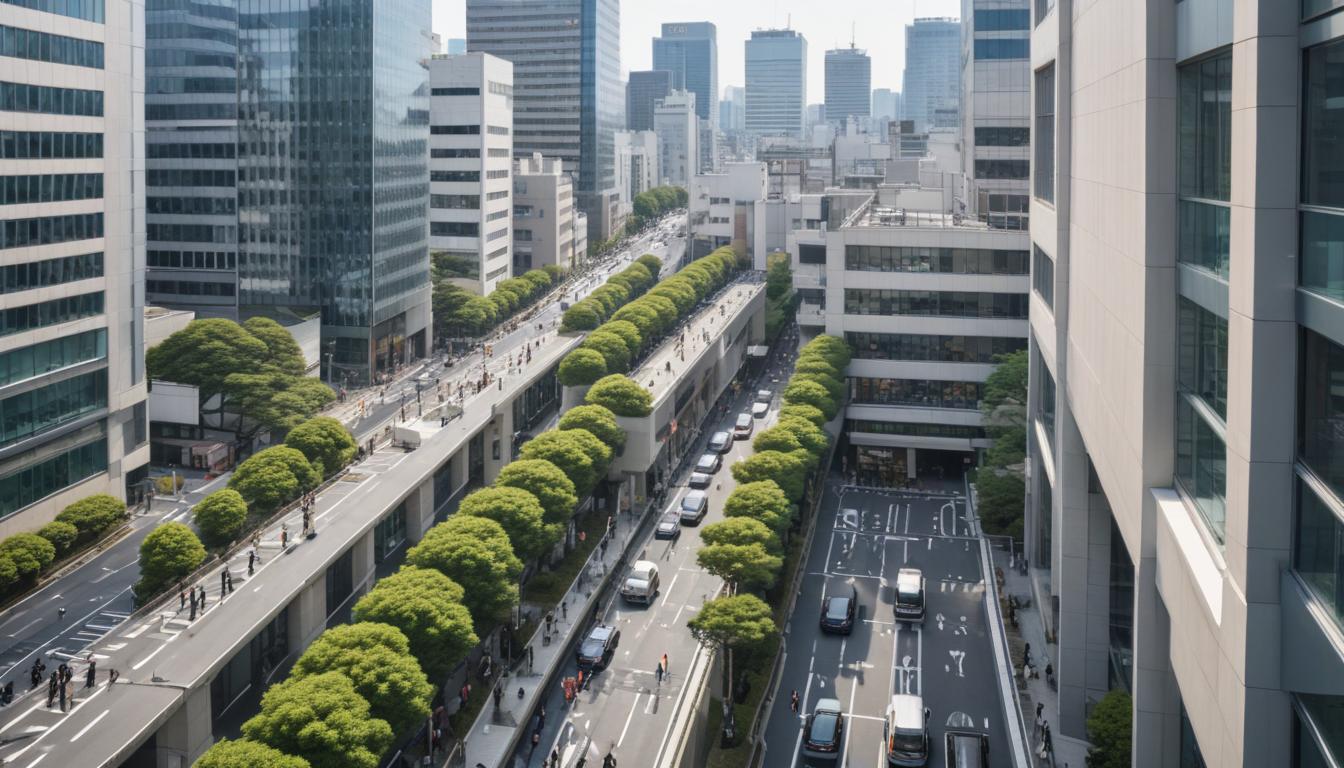
Tokyo AI Startup Founder Builds $1.2B Generative AI Powerhouse
Yuki Tanaka's journey from a Shibuya WeWork desk to leading Japan's most-funded AI startup reveals how Tokyo is becoming Asia's deep-tech hub for industrial innovation.
Yuki Tanaka's journey from a Shibuya WeWork desk to leading Japan's most-funded AI startup reveals how Tokyo is becoming Asia's deep-tech hub for industrial innovation.
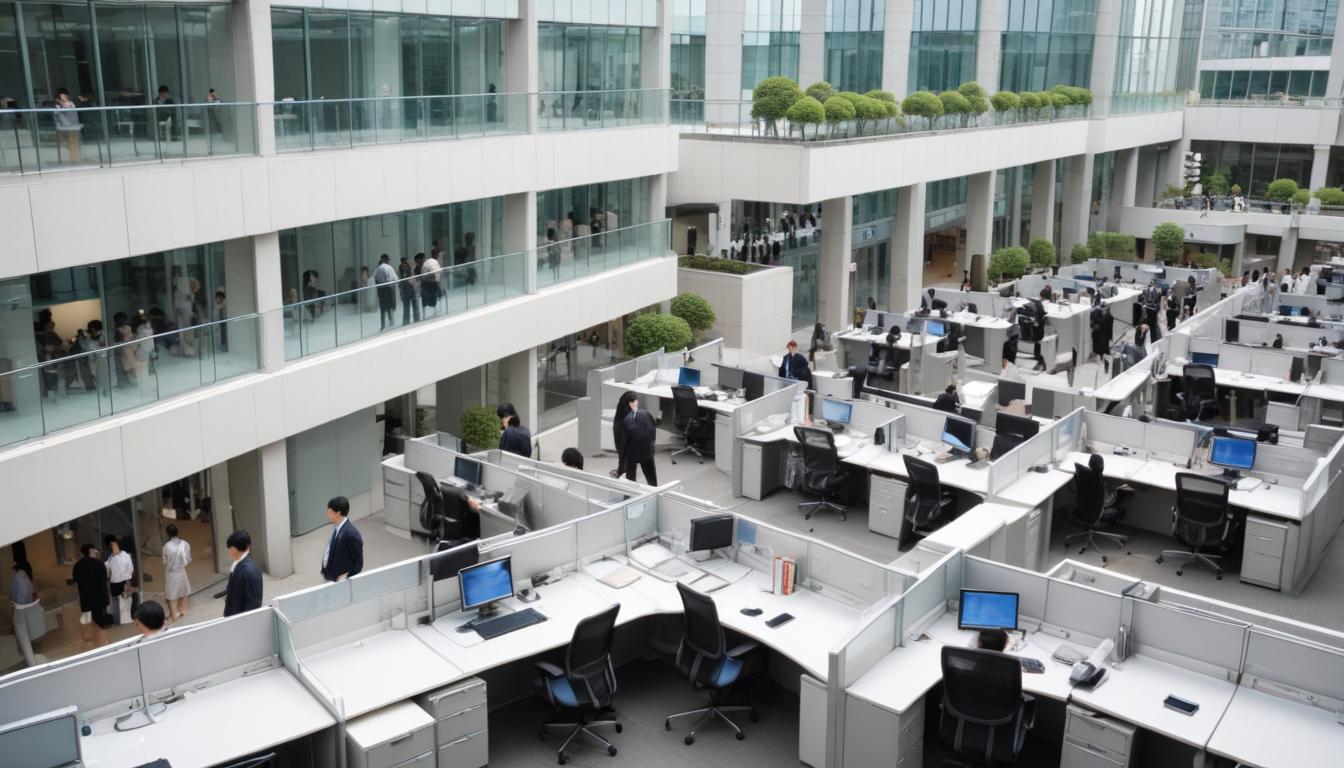
The unassuming entrance to Lightspeed Labs sits between a ramen shop and a vintage bookstore on a narrow side street in Shibuya—hardly the gleaming headquarters you'd expect for a company that just closed a $180 million Series C round in May. Yet this understated location perfectly captures the ethos of Tokyo's emerging deep-tech ecosystem, where innovation thrives far from the marble lobbies of traditional corporate Japan.
Yuki Tanaka, 34, founded Lightspeed Labs in 2023 from a 20-square-metre desk rental in the WeWork building near Shibuya Station. Within three years, her generative AI firm—focused on industrial applications for manufacturing and logistics—has grown to over 280 employees across Tokyo, Singapore, and Seoul. The company's latest valuation sits at $1.2 billion, making it one of only seven Japanese startups in the "unicorn" club.
"Tokyo was almost written off five years ago," says Jun Kato, director of the Tokyo Metropolitan Government's Innovation Promotion Centre in Minato ward. "But founders like Tanaka proved that talent, capital, and ideas were always here. They just needed permission to move fast." The city's startup funding jumped 47 per cent year-over-year through 2025, with deep tech capturing 31 per cent of total investment—nearly triple the 2020 figure.
Lightspeed's breakthrough came from solving a distinctly Japanese problem: factory floor efficiency in an aging workforce. Japanese manufacturers face a critical skills shortage, with fewer young workers entering production roles. Tanaka's AI platform automates quality control and predictive maintenance, allowing aging plants to operate with 22 per cent fewer human inspectors. Toyota, Daihatsu, and three major electronics manufacturers have already deployed the system.
The success hasn't gone unnoticed. The Otemachi financial district, traditionally hostile to startup culture, has quietly become a venture capital hub. SoftBank Vision Fund, Founders Fund, and two new domestic deep-tech funds have opened dedicated Tokyo offices since 2024. Office rents in Minato's Roppongi tech corridor have climbed 18 per cent annually, though still remain a fraction of San Francisco's rates.
Yet Tanaka remains bullish on remaining based in Tokyo rather than chasing Silicon Valley. "The question was never whether Japan could innovate," she says in her modest fourth-floor office, where whiteboards outnumber furniture. "It was whether we'd let ourselves." With her company now training the next generation of AI engineers at the nearby Tokyo Institute of Technology, it seems that permission has finally been granted.
This article was compiled by AI from the sources linked above and screened before publishing. See our editorial standards.
How does this story make you feel?
Spread the word
About this article
Published by The Daily Tokyo
Daily brief
Free, in your inbox before 7am. Weekdays.
More in Business