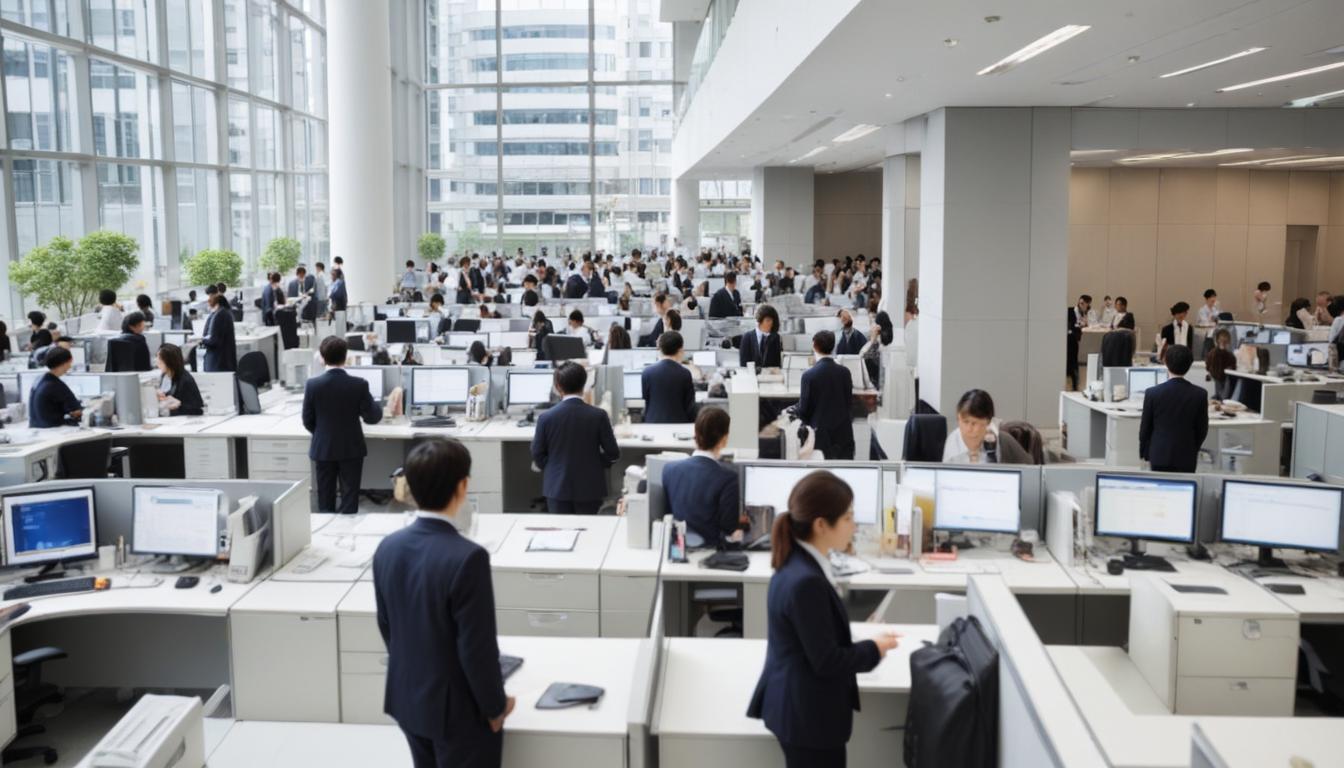
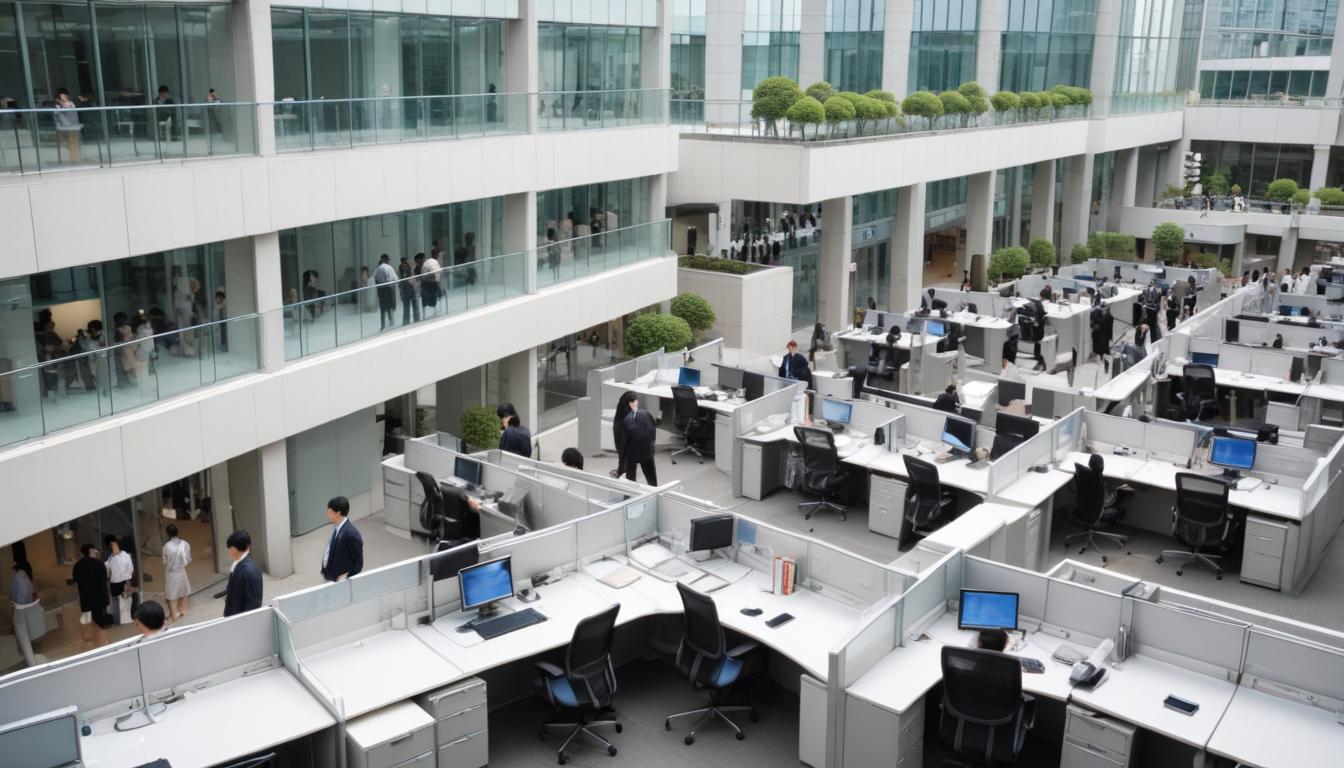
Tokyo's commercial property market is undergoing a quiet restructuring that rewards early movers. While premium office space in Marunouchi and Hibiya commands ¥15,000-18,000 per tsubo annually, vacancy rates in these traditional heartlands have drifted toward 4.5%—the highest in five years. Meanwhile, secondary neighbourhoods are experiencing acute scarcity.
The catalyst is familiar: multinational tech firms, financial services companies, and creative agencies are adopting hybrid models that require fewer centralised desks but more versatile meeting spaces. Rather than maintaining sprawling headquarters in Tokyo's most expensive precincts, they're leasing smaller anchor offices in neighbourhoods closer to talent clusters and transport hubs.
Shinjuku's eastern flank—particularly around Okubo and Yotsuya—is seeing the most aggressive activity. Asking rents have climbed 8% year-on-year to ¥9,500-11,000 per tsubo, yet occupancy rates hover near 95%. A 300-square-metre office that would cost ¥4.5 million annually here would exceed ¥7 million in Ginza. Smaller firms are moving in aggressively; mid-market professional services companies and startup incubators are snapping up refurbished buildings faster than landlords can list them.
Nakano and Shibuya's Dogenzaka precinct tell a similar story. Properties once considered tertiary are now yielding occupancy that rivals central business districts. One property management company reported selling a 1970s-era office building in Nakano's commercial zone—previously valued conservatively—at a 22% premium over 2023 appraisals, justified by upgraded infrastructure and proximity to creative industry talent.
Real estate developers with exposure to mixed-use conversions are benefiting most visibly. Companies repositioning underutilised office stock into flex-workspace, serviced offices, and ground-floor retail combinations have accelerated leasing timelines significantly. The trend reflects broader Tokyo employment patterns: remote work permanence has settled at roughly 30-35% across major employers, eliminating the fantasy of full office returns while intensifying competition for quality secondary space.
For institutional investors, the implication is clear. Single-asset trophy office buildings in Marunouchi face rental stagnation. Diversified portfolios capturing neighbourhood-level demand—particularly in transport-accessible zones within the Yamanote Line and Chuo Line corridors—are generating superior returns.
Property consultants expect this diffusion to accelerate through 2027. Tokyo's commercial property opportunity, increasingly, belongs to those who correctly predicted where Japanese firms would actually work.
This article was compiled by AI from the sources linked above and screened before publishing. See our editorial standards.