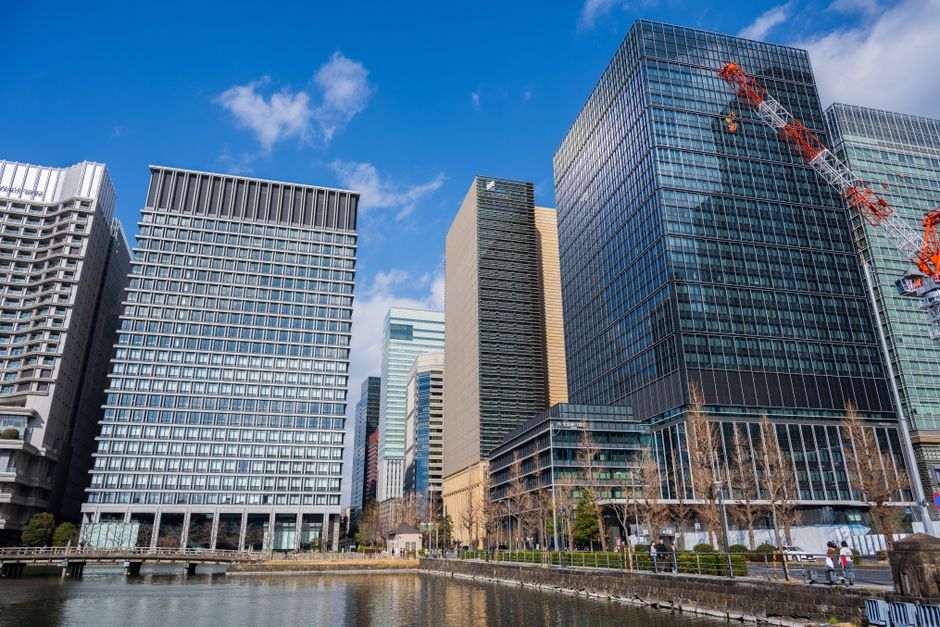
The usually bustling lobbies of the major trading company headquarters along Marunouchi have grown noticeably quieter this year. Staff at the imposing office towers near Tokyo Station report a palpable shift in mood as Japan's international trade sector confronts a cascade of challenges that show no sign of abating before year's end.
The headwinds are real and multifaceted. Geopolitical instability in the Middle East has sent shipping costs soaring—container rates on the Europe-Asia corridor have climbed roughly 40 percent since January, eating into margins for exporters based in Nihonbashi and Ginza. Meanwhile, ongoing trade tensions between major economies have introduced new tariffs and regulatory barriers that caught many mid-market firms unprepared.
"Supply chain resilience is no longer optional," explains analysis from the Japan External Trade Organization's Kasumigaseki office. The organization reports that 63 percent of Japanese companies surveyed in Q2 cited geopolitical risk as their primary concern, up from 41 percent just two years ago.
Currency volatility compounds the pressure. The yen's fluctuations have made long-term contracts risky propositions. A weak yen, while traditionally beneficial for exporters, has been offset by elevated energy and raw material costs. Firms in the Roppongi business district trading in commodities have had to slash forward guidance multiple times.
Technology sector disruptions add another layer. New export controls on semiconductors and advanced materials have forced Tokyo-based companies to reassess their global supply networks. Smaller suppliers in the Kanto region, many dependent on single large customers, face particular strain as orders become more unpredictable.
The pharmaceutical and chemical sectors face additional regulatory hurdles. New environmental standards in key markets have forced costly reformulations of products, with compliance costs sometimes exceeding five million yen per product line.
Yet there are glimmers of opportunity amid the turbulence. Companies that invested early in nearshoring—establishing operations closer to target markets rather than relying solely on manufacturing in Asia—are weathering the storm better. Several mid-cap firms based near Shinjuku have reported smoother operations despite the chaos.
Industry observers gathering at business forums in the Chiyoda ward note a clear divergence emerging: larger, well-capitalized enterprises with diversified supply chains are adapting, while smaller trading companies face genuine existential questions about their business models. The challenge now is whether Tokyo's famed business flexibility can turn these headwinds into tailwinds before momentum is lost entirely.
This article was compiled by AI from the sources linked above and screened before publishing. See our editorial standards.