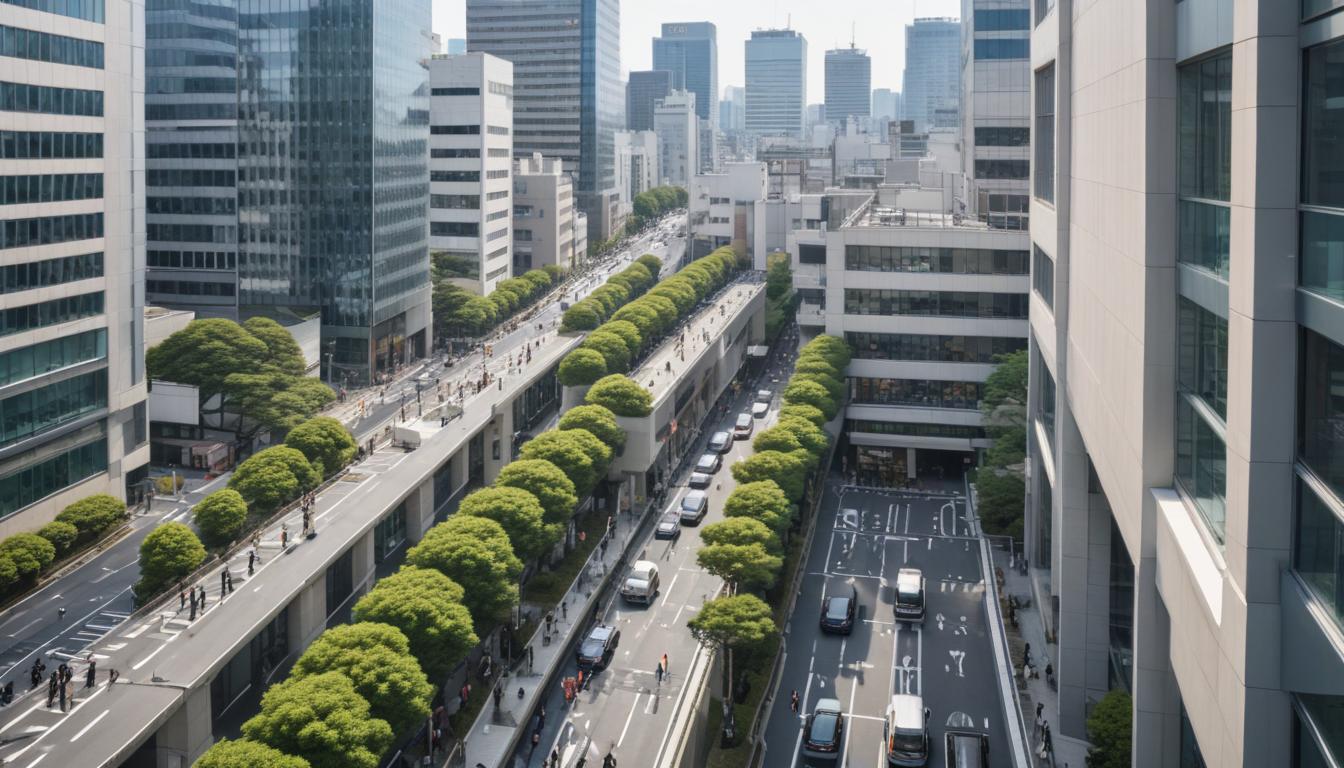
Tokyo's Investment Sector Faces Perfect Storm of Headwinds in 2026
Rising geopolitical tensions, volatile currency markets, and persistent inflation are forcing financial firms across Marunouchi and Nihonbashi to rethink strategy.
Rising geopolitical tensions, volatile currency markets, and persistent inflation are forcing financial firms across Marunouchi and Nihonbashi to rethink strategy.

Tokyo's gleaming financial district has long been a beacon of stability in Asia's markets, but 2026 is proving far more turbulent than investors anticipated. The combination of escalating Middle Eastern tensions, currency volatility, and stubbornly high cost pressures is creating unprecedented challenges for the city's investment and wealth management sector.
Major asset management firms clustered around the Tokyo Stock Exchange in Nihonbashi are grappling with portfolio instability. Geopolitical flashpoints—from renewed U.S.-Iran negotiations to border tensions in South Asia—have sent shockwaves through commodity and energy markets, making long-term planning increasingly difficult. For wealth managers advising Japan's high-net-worth individuals from office towers in the Marunouchi financial corridor, the calculus has become far more complex. Currency fluctuations against the dollar and yuan add another layer of uncertainty that wasn't factored into many 2026 forecasts.
Perhaps more acutely, the cost of doing business in central Tokyo continues its relentless climb. Premium office space in the Otemachi and Marunouchi areas now regularly exceeds ¥40,000 per square meter annually—pushing smaller investment boutiques to consider relocations to the Hibiya or even Shibuya periphery. Talent retention has become another headache; junior analysts are demanding salaries that reflect both Tokyo's elevated living costs and the emotional toll of market turbulence, with mid-range apartments near Shinjuku now commanding ¥200,000+ monthly rents.
Data from Japan's Financial Services Agency indicates that investment product sales growth has decelerated meaningfully compared to 2024-2025 levels. Retail investors, traditionally a growth engine for mutual fund sales, are showing signs of caution. The Bank of Japan's continued monetary tightening—even at a modest pace—has made fixed-income products more competitive, drawing capital away from riskier equity-focused vehicles that generate higher commissions.
Technology investment and automation, normally seen as cost-saving solutions, have become paradoxically expensive. The race to enhance cybersecurity infrastructure and comply with tightening international regulatory frameworks has siphoned capital from profit margins across the sector.
Industry insiders suggest that only the largest, most diversified players—those with regional hubs across Singapore, Hong Kong, and Sydney—can effectively weather this convergence of pressures. For mid-sized Tokyo-centric firms, the path forward remains decidedly uncertain as 2026 unfolds.
This article was compiled by AI from the sources linked above and screened before publishing. See our editorial standards.
How does this story make you feel?
Spread the word
About this article
Published by The Daily Tokyo
Daily brief
Free, in your inbox before 7am. Weekdays.
More in Business