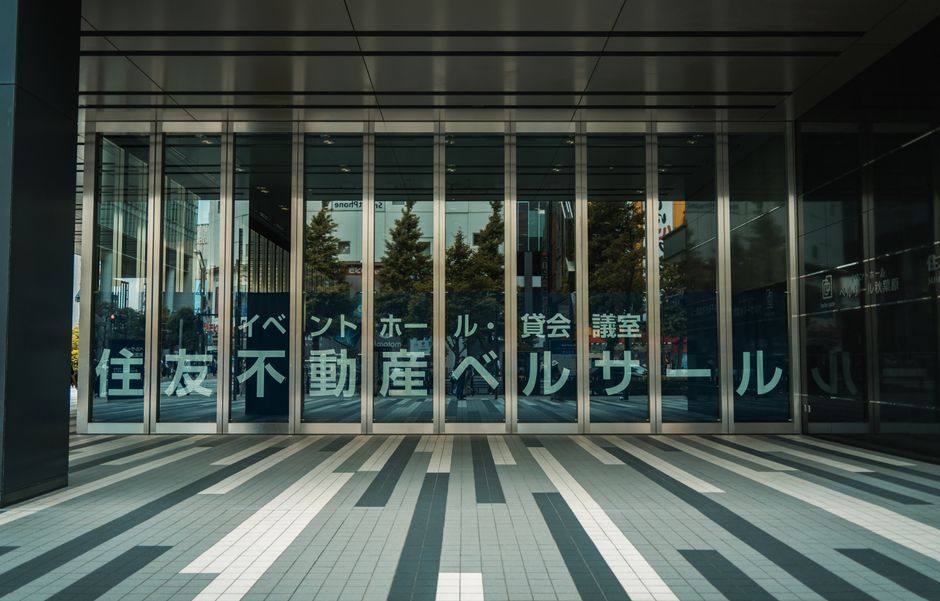
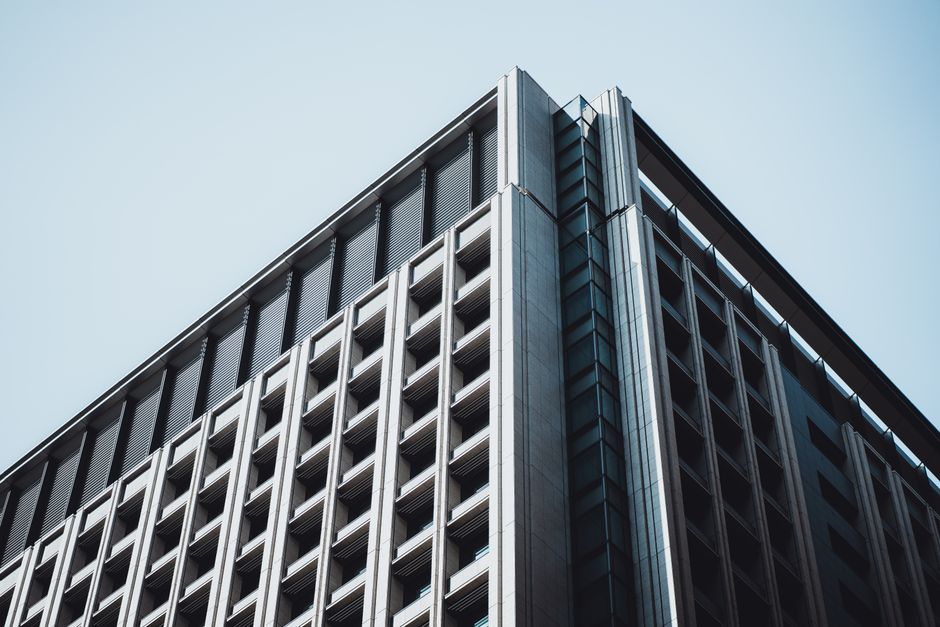
Walk through Marunouchi or Kasumigaseki these days, and you'll see construction cranes towering over gleaming new office complexes. Major Japanese conglomerates and foreign tech firms are pouring billions into premium workspace, chasing the latest in automation, sustainability, and hybrid work infrastructure. It sounds like good news for Tokyo's economy. But for the residents living in surrounding residential areas, this transformation carries a less obvious cost.
The commercial property fever gripping central Tokyo is reshaping the rental landscape in ways that affect everyday people who have no connection to corporate real estate. When office values surge—premium Grade A space in Chiyoda now commands ¥25,000–¥30,000 per tsubo annually, up sharply from five years ago—landlords respond by converting aging residential buildings into serviced apartments or boutique offices. Supply tightens. Rents climb.
This ripple effect is particularly visible in transitional neighbourhoods. Areas like Iidabashi, Yotsuya, and even parts of Shinjuku's residential blocks have seen landlords systematically renovate older apartment buildings into higher-margin mixed-use properties. Young professionals and families seeking affordable housing have watched their options shrink as monthly rents for modest two-bedroom apartments creep toward ¥180,000–¥220,000 in areas that charged ¥140,000 just three years ago.
Tokyo Metropolitan Government data shows office vacancy rates hovering near historic lows of 3–4 percent in prime districts. When demand is that strong, property owners follow the money. What matters for residents is understanding that this competition isn't abstract: it directly influences where you can afford to live and how far from central Tokyo you need to look.
The trend also affects everyday convenience. As residential space converts to offices, local shopping streets and neighbourhood amenities that once served residential communities shrink. The corner soba shop, the neighbourhood clinic, the small supermarket—these disappear when foot traffic shifts from residents to office workers.
For renters and homebuyers, the practical takeaway is timing. If you're planning to move within Tokyo over the next 12–18 months, properties in secondary neighbourhoods—areas with good train access but currently outside the office development frenzy—may offer better value before they, too, get caught in the wave. Landlords aren't being malicious; they're simply responding to market signals. But understanding those signals helps residents make smarter decisions about where and when to secure their housing.
Tokyo's commercial success is real. Just remember: that success has a residential price tag.
This article was compiled by AI from the sources linked above and screened before publishing. See our editorial standards.