Tokyo Export Slowdown 2025: Trading Houses Face Toughest Year
Tokyo's trading houses confront export slowdown, supply chain chaos, and currency volatility. How Japan's Marunouchi district is adapting to global headwinds.
Tokyo's trading houses confront export slowdown, supply chain chaos, and currency volatility. How Japan's Marunouchi district is adapting to global headwinds.
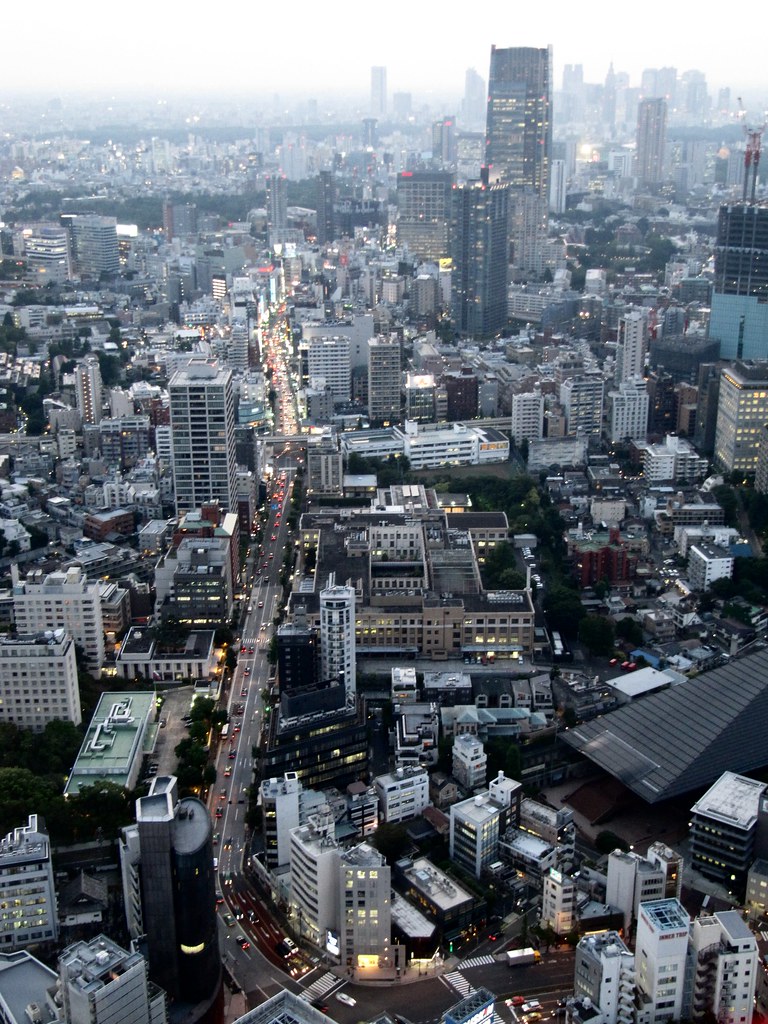
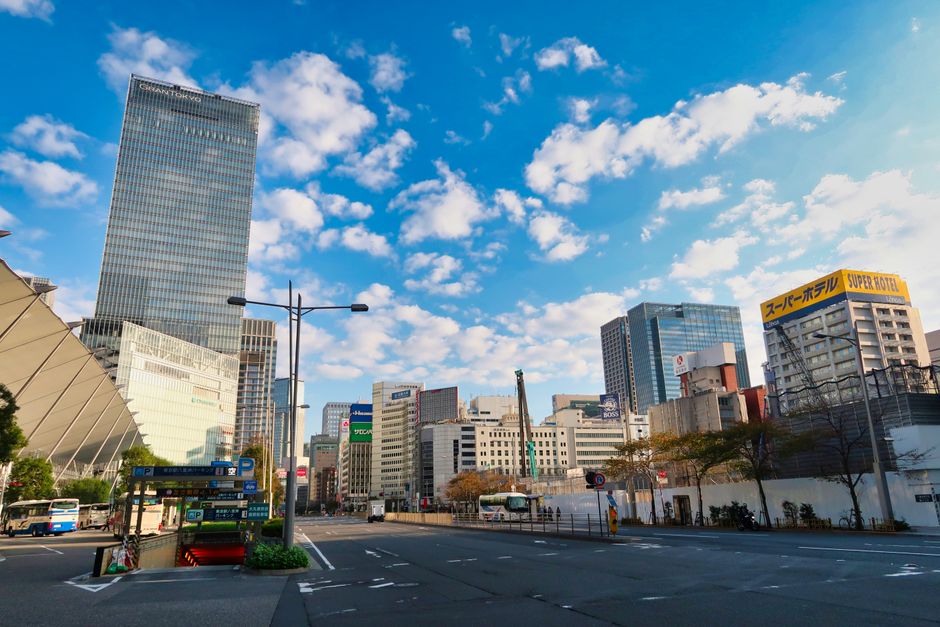
Walking through the gleaming lobbies of Marunouchi's trading house district this week, you might notice the energy feels different. The confident swagger that once defined Tokyo's global business elite has given way to cautious calculation. As we approach the mid-year mark, the city's international trade sector is confronting a constellation of headwinds that threaten to derail what was supposed to be a recovery year.
The numbers tell the story. Japan's export growth has slowed to just 2.1 percent year-on-year, according to recent government data—a sharp deceleration from the 5.8 percent posted in early 2025. For the major trading houses clustered around Kasumigaseki, this represents their slowest pace in four years. At the Tokyo Chamber of Commerce and Industry's headquarters in Otemachi, senior executives admit privately that client confidence has deteriorated markedly since spring.
Geopolitical fragmentation tops the list of concerns. The escalating U.S.-Iran tensions and Pakistan-Afghanistan border violence have created unpredictable corridors for Middle Eastern and South Asian supply chains—critical arteries for Japanese manufacturers. Meanwhile, Venezuelan instability has disrupted lithium and rare-earth mineral supplies crucial for Tokyo's automotive and electronics sectors. Traders working the commodities desks near the Tokyo Stock Exchange report that volatility premiums have doubled since January.
Currency gyrations add another layer of complexity. The yen, which has fluctuated wildly between 140 and 155 per dollar this year, has made long-term international contracts nearly impossible to price. Companies exporting from factories in the Kanto region suddenly find their profit margins evaporating mid-contract. Even the traditionally stable euro has become unpredictable, complicating trade with European partners.
Supply chain reconstruction remains painfully slow. Though two years have passed since the last major disruption, freight costs from Asia to Europe remain 35 percent above pre-2024 levels. A senior logistics manager at one of Tokyo's port operations notes that container backlogs and port congestion near the Harumi and Tsukiji waterfront areas have become the norm rather than the exception.
Perhaps most troubling is the fragmentation of global trade architecture itself. Trade negotiations that once promised seamless regional integration have stalled. Companies can no longer assume predictable regulatory frameworks, forcing them to maintain expensive parallel supply chains and compliance structures.
For Tokyo's trading community, adaptation is no longer optional. Those thriving are those diversifying away from geopolitically sensitive routes and investing heavily in nearshoring strategies. The age of simple, linear global trade appears to be ending—and the city's business elite are only beginning to grapple with what comes next.
This article was compiled by AI from the sources linked above and screened before publishing. See our editorial standards.
How does this story make you feel?
Spread the word
About this article
Published by The Daily Tokyo
Daily brief
Free, in your inbox before 7am. Weekdays.
More in Business