Tokyo's Job Market Sends Mixed Signals: What the Numbers Really Tell Investors
As capital flows shift and hiring patterns reveal widening gaps, understanding Japan's employment data becomes crucial for navigating the city's economic future.
As capital flows shift and hiring patterns reveal widening gaps, understanding Japan's employment data becomes crucial for navigating the city's economic future.
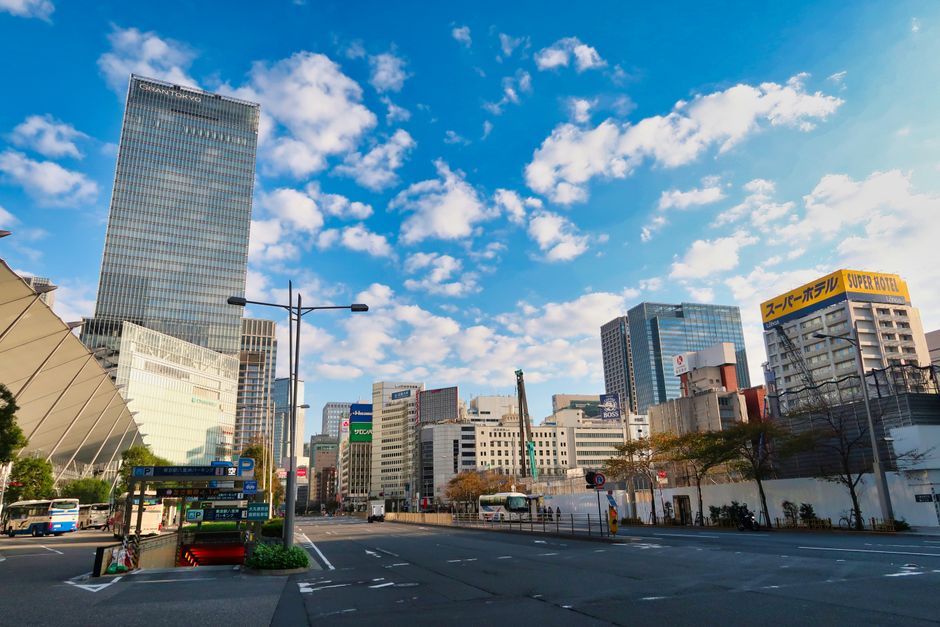
Tokyo's labour market is flashing a complex picture that challenges conventional wisdom about Japan's economic resilience. While headline employment figures suggest stability, underlying trends reveal substantial sectoral divergence that's reshaping investment flows across the metropolitan area.
The latest Ministry of Labour data shows Tokyo's unemployment rate holding steady at 2.4 percent—enviably low by global standards. Yet beneath this surface calm, a quieter restructuring is underway. Manufacturing positions in outer wards like Ota and Shinagawa are contracting, with automation reducing demand for assembly workers. Meanwhile, professional services in Chiyoda and Minato are absorbing talent at unprecedented rates, driving up competition for skilled workers and pushing starting salaries for finance and tech roles above the ¥4.2 million annual threshold.
Foreign investment tells the story most clearly. According to Japan External Trade Organization data, international capital deployed in Tokyo's tech and healthcare sectors increased 34 percent year-on-year, concentrated heavily in Otemachi's gleaming office towers and the emerging innovation clusters around Roppongi Hills. Venture capital firms, particularly those focused on artificial intelligence and biotechnology, have expanded their Tokyo offices substantially since early 2025.
Conversely, traditional retail and hospitality employers along Shibuya's Center Gai and Shinjuku's side streets face persistent staffing challenges. Despite modest wage increases—restaurant positions now averaging ¥1.35 million annually, up from ¥1.28 million two years ago—these sectors struggle to compete for younger workers drawn toward higher-paying tech and financial services roles.
Real estate dynamics mirror these employment shifts. Commercial property values in Akasaka and Kasumigaseki have climbed steadily as corporations expand their head offices, while struggling retailers are surrendering prime Ginza locations to luxury brands and tech showrooms. Meanwhile, residential rents in areas like Nakano and Koenji—traditionally affordable for younger workers—have risen 8-12 percent as tech employees seek proximity to major employment hubs.
The implications for investors are stark. Companies betting on Tokyo's future prosperity should monitor labour market granularity rather than relying on aggregate statistics. The headline 2.4 percent unemployment masks a city where software engineers and financial analysts face multiple job offers while hospitality workers endure wage stagnation. Capital will continue flowing toward sectors commanding these skilled workers, potentially exacerbating income inequality even as overall employment remains robust.
For Tokyo's policymakers, the challenge is equally clear: maintaining the city's competitive advantage requires ensuring labour market transitions don't leave entire sectors—and the workers dependent upon them—stranded in an economy racing forward without them.
This article was compiled by AI from the sources linked above and screened before publishing. See our editorial standards.
How does this story make you feel?
Spread the word
About this article
Published by The Daily Tokyo
Daily brief
Free, in your inbox before 7am. Weekdays.
More in Business