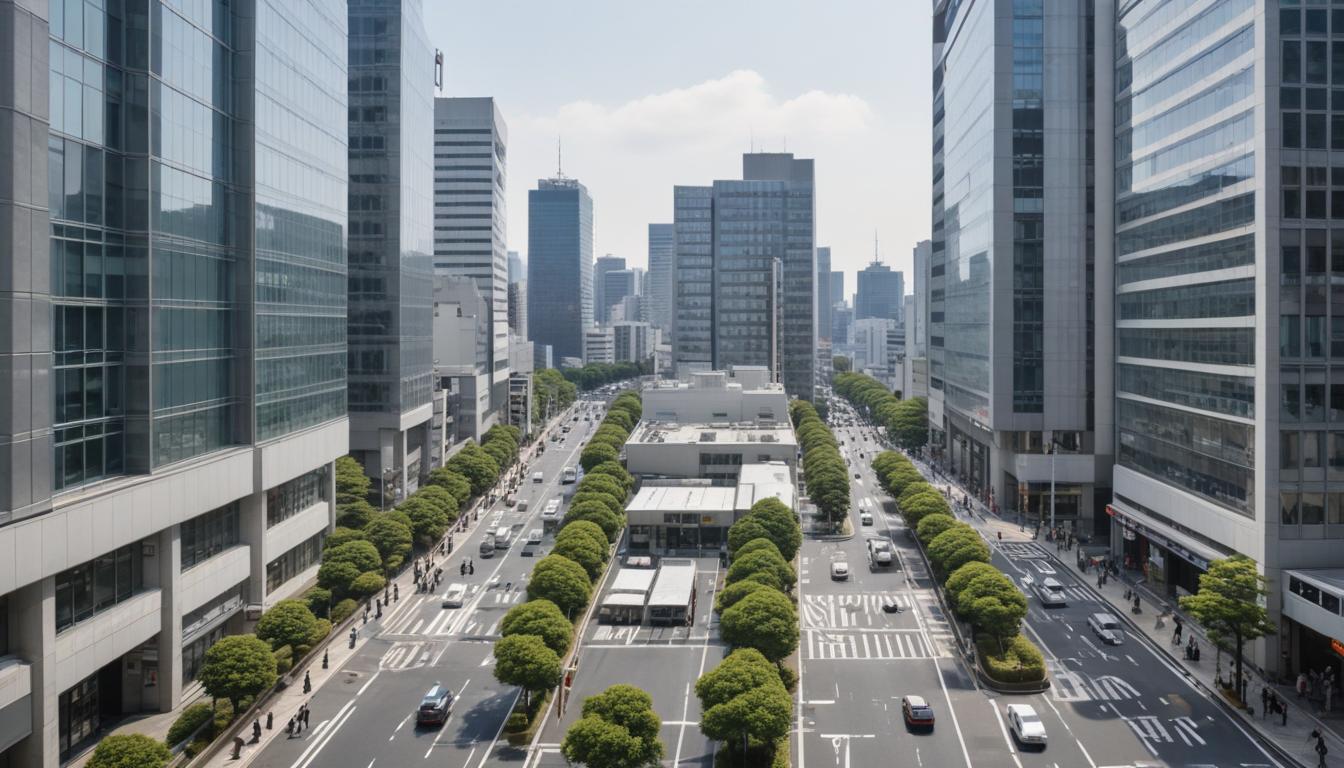
Walking through the gleaming office towers of Marunouchi, Tokyo's financial district, executives from trading houses and manufacturers are grappling with a sobering reality: the world's geopolitical volatility is no longer a distant concern—it's reshaping their bottom lines in real time.
The ongoing Middle East tensions, combined with escalating regional conflicts in South Asia and Central Africa, are creating unprecedented disruptions to the supply chains that have anchored Tokyo's export economy for generations. Shipping routes through the Strait of Hormuz, critical for Japanese oil imports and manufactured goods, face constant uncertainty. Meanwhile, manufacturing hubs across Southeast Asia report increased production costs as companies diversify away from single-source suppliers.
At the Japan External Trade Organization (JETRO) headquarters in Minato ward, officials report a 23% increase in inquiries from small and medium-sized enterprises seeking alternative sourcing strategies compared to last year. The concern is particularly acute for electronics manufacturers clustered around Akihabara, whose just-in-time inventory systems depend on predictable global logistics.
"Companies that built their models on stability are now paying a premium for flexibility," explains the changing landscape facing firms like those headquartered in the Nihonbashi district, Tokyo's traditional center for merchant banking and trade finance. Rising insurance costs for maritime shipping have added 8-12% to transportation expenses for many exporters in the past six months alone.
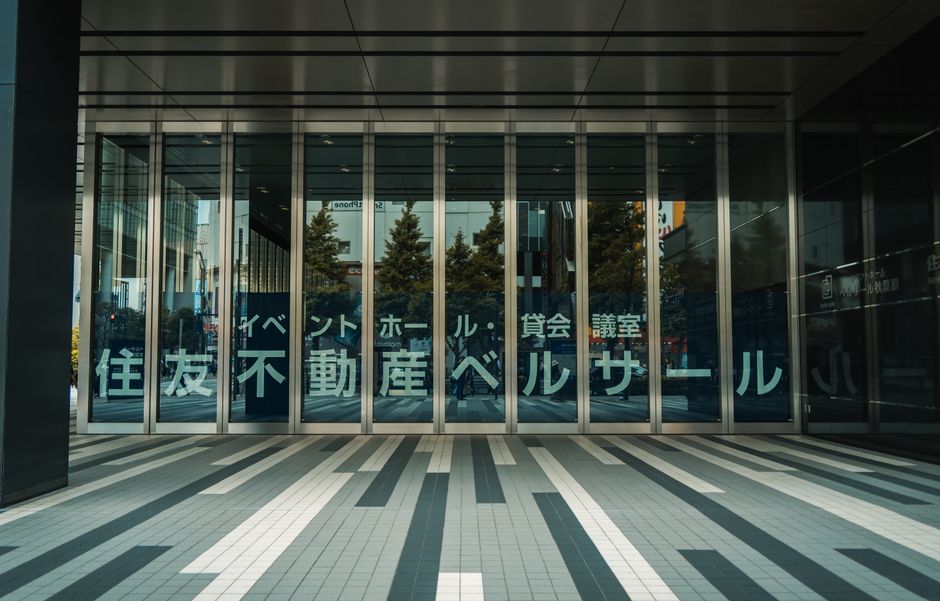
The ripple effects extend beyond manufacturing. Tokyo's hospitality and tourism sectors—already constrained by travel uncertainty—are adjusting business models. Hotels in Shinjuku and Shibuya report international booking volatility as corporate travel patterns shift unpredictably. Business conference venues around Odaiba are seeing cancellations and postponements as multinational corporations reconsider in-person summits.
Yet some Tokyo-based trading companies are adapting strategically. Diversification toward African and Latin American markets—less affected by current geopolitical flashpoints—is accelerating. Companies are establishing new logistics hubs in Southeast Asia and exploring nearshoring opportunities. Technology firms in the Roppongi innovation corridor are investing in supply chain software and AI-driven forecasting tools.
The fundamental question facing Tokyo's business community is clear: can traditional trade relationships weather sustained global instability, or has the postwar era of predictable international commerce genuinely ended? For now, uncertainty remains the only certainty—and Tokyo's business leaders are pricing that reality into every contract, shipment, and strategic decision.
This article was compiled by AI from the sources linked above and screened before publishing. See our editorial standards.