Tokyo's Job Market Shifts: What Business Leaders Need to Know Right Now
As remote work reshapes talent distribution and wage pressures mount across sectors, Tokyo's employers face a critical reckoning about retention and regional competitiveness.
As remote work reshapes talent distribution and wage pressures mount across sectors, Tokyo's employers face a critical reckoning about retention and regional competitiveness.
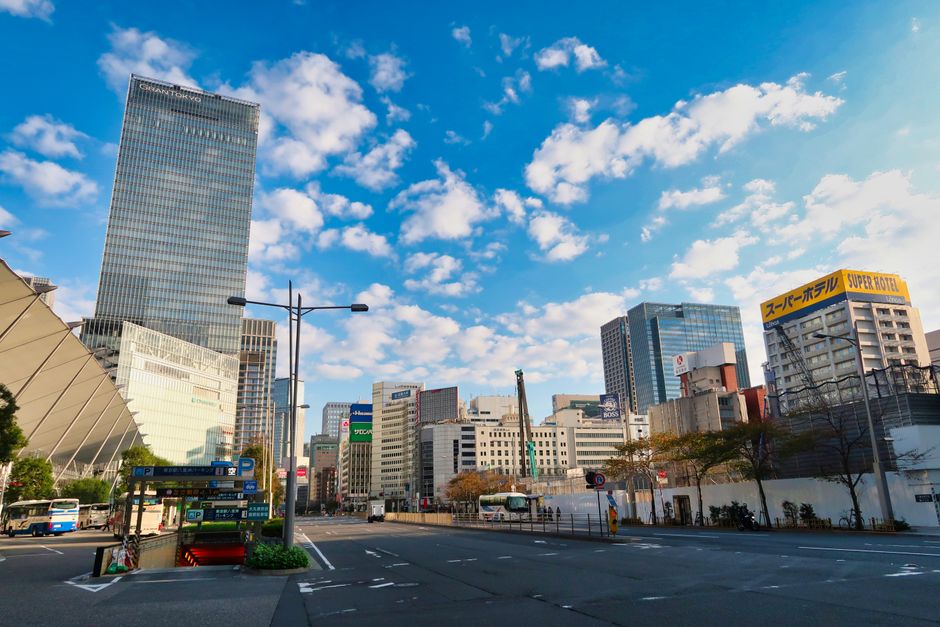
Tokyo's employment landscape is undergoing a seismic shift that extends far beyond the gleaming office towers of Marunouchi and Minato. With Japan's unemployment rate hovering near historic lows and demographic headwinds intensifying, businesses across the capital are grappling with unprecedented labour market dynamics that demand immediate strategic attention.
The most pressing challenge is geographic dispersion. Remote work normalisation—accelerated during the pandemic and now entrenched in corporate culture—has fundamentally altered where talent settles. Companies in Chiyoda and Shibuya report increased difficulty attracting mid-career professionals who now choose to base themselves in secondary cities or regional hubs. Recruitment firms operating along Kasumigaseki's government district note that younger employees increasingly demand flexibility that allows them to work outside central Tokyo at least three days weekly. This isn't mere preference; it's reshaping real estate strategies and office portfolio decisions across the capital.
Wage pressure is intensifying simultaneously. Tokyo's median salary for skilled technology and finance professionals has climbed approximately 12-15 percent over the past eighteen months, with engineering roles in the Akasaka-Ark Hills corridor commanding particularly steep premiums. Multinational firms—concentrated in the Roppongi and Azabudai precincts—are competing aggressively with domestic champions for the same depleting talent pool. Retention costs are rising faster than many budgets anticipated.
The service and hospitality sectors, vital to Tokyo's economy, face their own crisis. Staff turnover in Shinjuku's hotels and Ginza's hospitality venues has reached levels not seen in a decade. International tourism's rebound has created demand exceeding available labour, particularly for English-speaking and multilingual employees. Wage floors in these sectors have risen 18-20 percent year-on-year, squeezing margins already pressured by inflationary input costs.
Automation and skills mismatches present a secondary challenge. While manufacturing outside central Tokyo has embraced robotics and AI, services and white-collar sectors are slower to adapt. Job postings across Tokyo consistently highlight demand for digital literacy and data competency—skills the current workforce lacks at scale. Training budgets are expanding, but the transition period creates operational friction.
What should businesses prioritise? First: clarify hybrid and remote policies immediately, as ambiguity accelerates departures. Second: benchmark compensation against regional competitors, not just Tokyo peers. Third: invest in upskilling programmes targeting existing staff rather than relying on external recruitment. Finally, consider geographic distribution of operations—central Tokyo's premium remains justified for client-facing roles, but back-office functions increasingly belong elsewhere.
The Tokyo job market of 2026 rewards clarity, flexibility, and realistic talent economics. Businesses that adapt swiftly will retain advantage; those that cling to pre-pandemic norms will find themselves decisively disadvantaged.
This article was compiled by AI from the sources linked above and screened before publishing. See our editorial standards.
How does this story make you feel?
Spread the word
About this article
Published by The Daily Tokyo
Daily brief
Free, in your inbox before 7am. Weekdays.
More in Business