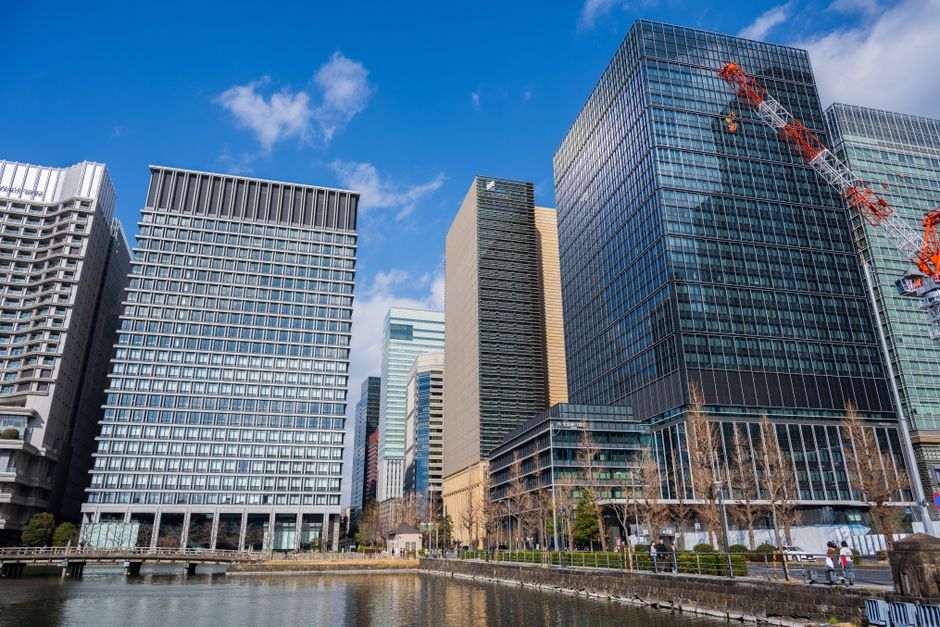
Walk through the bustling streets of Nihonbashi these days, and you'll hear the same concern echoed in coffee shops and corner offices: the world is becoming unpredictable in ways that hit Tokyo's wallet harder than ever before.
The ongoing tensions between the U.S. and Iran, coupled with political turmoil in Washington, have created a perfect storm for Japanese businesses. The yen has fluctuated wildly—touching 150 to the dollar earlier this year before settling around 145—making it brutal for small exporters who operate on razor-thin margins. For a mid-sized manufacturing firm in Taito-ku exporting components to Southeast Asia, that volatility can mean the difference between profit and loss, sometimes week to week.
The real pain, however, is hitting supply chains. Geopolitical friction in the Middle East threatens the Strait of Hormuz, through which roughly 40 percent of global maritime oil trade passes. Japan, which imports 84 percent of its crude oil, watches these developments like a hawk. When shipping routes become precarious, freight costs spike. Last month, a logistics manager at a consumer goods distributor near Tokyo Station noted that container shipping rates to Europe had jumped 18 percent in just three weeks.
For everyday Tokyoites, this translates into higher prices at supermarkets and convenience stores across Shibuya and Shinjuku. Food costs have already risen 8 to 12 percent year-over-year, with imported goods hit hardest. A family of four spending ¥280,000 monthly on living expenses—roughly the Tokyo average—now finds their budget stretched further than it was two years ago.
Corporate Japan is adapting, albeit unevenly. Larger firms with hedging capabilities and diversified supply chains weather the storm more easily. Smaller businesses, particularly those clustering around the artisanal shops and service providers in Asakusa and Yanaka, have fewer options. Some are shifting sourcing strategies, others are passing costs to consumers, risking demand destruction.
The Tokyo Metropolitan Government has acknowledged these pressures, though policy responses remain limited. What's clear is that the boundary between global instability and local business resilience has never been thinner. When U.S. administrations trade accusations with Iranian officials, when shipping insurance premiums rise, when the dollar strengthens unexpectedly—Tokyo's corner shops and medium-sized enterprises feel it almost immediately.
The question now isn't whether global chaos affects Tokyo's business scene. It's how quickly local firms can adapt to a world where geopolitical shocks travel at the speed of markets, leaving far less time to adjust.
This article was compiled by AI from the sources linked above and screened before publishing. See our editorial standards.