Tokyo's summer culture calendar has shifted dramatically this year, and locals are taking note. Starting this week through August, the city's major wards are rolling out an unusually generous slate of free outdoor performances, gallery exhibitions and public art installations—a trend driven partly by post-pandemic efforts to rebuild community engagement and partly by corporate sponsorships keen to reconnect with audiences.
In Yoyogi Park, the Tokyo Metropolitan Government's annual Summer Festival series has expanded its free stage programming by 40 percent compared to last year. From now through late August, Saturdays and Sundays feature everything from traditional taiko drumming to contemporary dance, with performances typically running 2-4 p.m. on the park's main lawn. The shift reflects a deliberate strategy to make high-quality performances accessible beyond the usual ticketed venue circuit in Roppongi and Ginza.
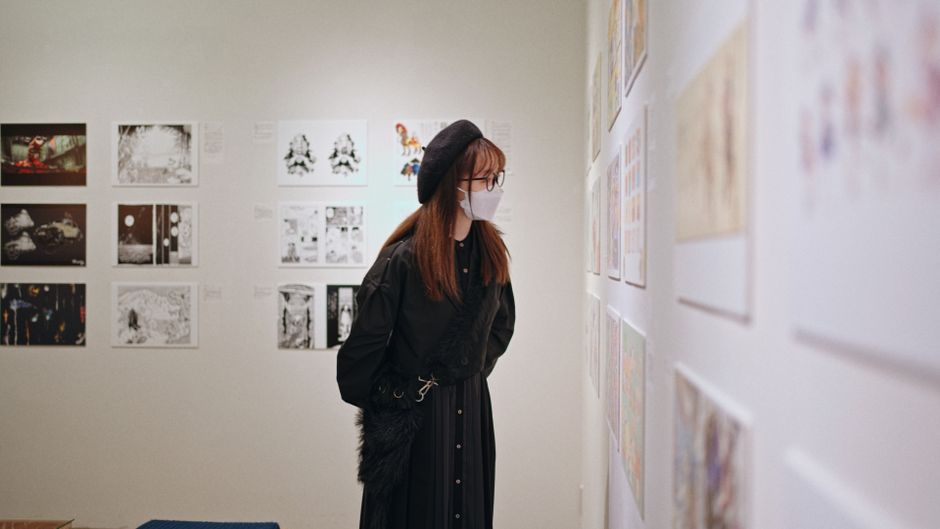
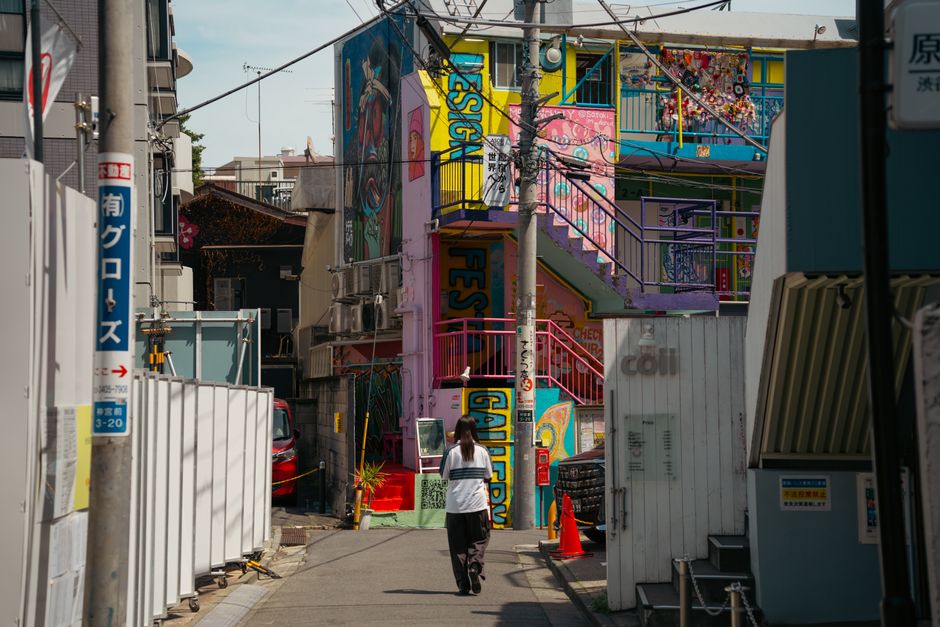
"What's changed is the scale," says cultural programming at the ward level. Shibuya's Cultural Foundation announced three months ago that its Street Gallery series would go entirely free this summer—a first for the institution. Located along Meiji-dori between Omotesando and Shibuya Station, the open-air exhibition spaces typically charge small entry fees. This year, installations by emerging Japanese artists run continuously.
Asakusa's Nakamise shopping street has also launched a Friday-evening street performance program, transforming the historic arcade into an impromptu concert venue starting at 6 p.m. Local musicians and buskers now hold official slots, drawing crowds that spike foot traffic for the area's shops and restaurants during what locals call the "dead summer" period when tourists thin out.
The economics matter. With Tokyo's average household spending on entertainment hovering around ¥28,000 monthly, free cultural access addresses real budget pressures—especially for young families and students. Data from Tokyo's tourism board suggests that free programming correlates with increased spending at local establishments; visitors to free events spend an average of ¥3,500 on food and shopping within a two-block radius.
Social media has amplified awareness. Instagram and TikTok posts about Yoyogi Park performances reached 2.3 million impressions in June alone, compared to 400,000 last year. Locals are discussing which performances merit the trip, with evening shows in Shinjuku's Meiji Shrine precinct becoming particularly popular as temperatures drop.
By August, this constellation of free offerings—festivals, galleries, street performances—will have fundamentally reshaped how many Tokyoites access culture. The question now: will it stick beyond summer?
This article was compiled by AI from the sources linked above and screened before publishing. See our editorial standards.