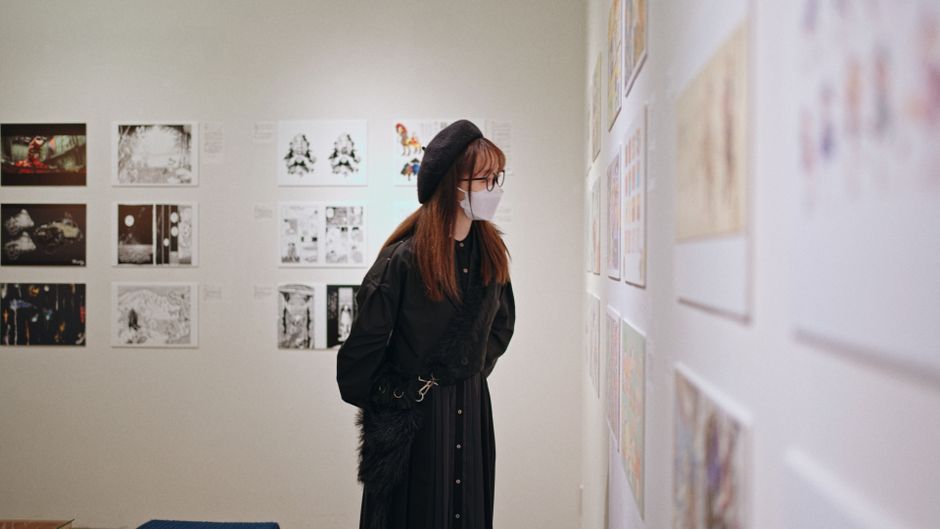
Walk through Shimokitazawa on a Saturday morning, and you'll notice something that wasn't there five years ago: curated street art that doesn't feel accidental. The narrow alleyway behind the vintage record shops, once tagged haphazardly, now displays rotating murals by international and Japanese artists. This transformation didn't happen through municipal decree. It emerged from the quiet work of Shimokitazawa Art Collective, a loose network of designers, architects, and community advocates who saw creative potential where city planners saw disorder.
"Street art in Tokyo used to exist in the margins—literally and metaphorically," explains the ethos behind initiatives like the one that revitalized this neighbourhood. Starting around 2019, organizers began negotiating with property owners in Shimokitazawa, Yanaka, and along the Meguro River to designate walls as legal canvases. Today, these districts pull an estimated 2.3 million visitors annually, with commercial foot traffic in participating areas increasing by 34 percent according to local business surveys.
The real story, however, belongs to the people orchestrating behind the scenes. Design studios like Nendo and Wonderwall have mentored emerging street artists, while grassroots organizations coordinate with the Tokyo Metropolitan Government's Urban Renaissance initiative. Young designers from institutions like Musashino Art University have contributed thousands of volunteer hours documenting and preserving pieces before building demolition—creating an archive that might otherwise vanish.
Harajuku's Omotesando backstreets have become a destination precisely because local shop owners and independent curators resisted homogenization. Where global brands occupy ground floors, artist-run spaces and design collectives operate in upper storeys, creating visual ecosystems that feed street-level creativity. Yen costs matter: a blank wall in Harajuku commands ¥80,000–150,000 annually for commercial advertising, yet many property owners now lease spaces to artists for ¥20,000–40,000, betting on cultural cachet over short-term revenue.
The Koenji district, historically Tokyo's bohemian quarter, formalized this approach through the Koenji Art Festival, launched in 2021. Thirty-seven local businesses and twenty community groups collaborate annually to transform the neighbourhood into an open gallery. Participation costs artists nothing; instead, the collective absorbs logistics through donations and foot-traffic revenue.
What distinguishes Tokyo's street art renaissance from comparable cities is its deliberate preservation of artist agency. Rather than corporate-sponsored muralism, these districts evolved through negotiation, documentation, and intergenerational knowledge transfer. The people creating these spaces—urban planners, shopkeepers, students, and artists themselves—are ensuring that creative expression remains rooted in community rather than commodity.
This article was compiled by AI from the sources linked above and screened before publishing. See our editorial standards.