Tokyo's Next Wave: Five Emerging Chefs Reshaping the City's Food Identity
Beyond the Michelin-starred establishments, a new generation of culinary voices is quietly revolutionizing how Tokyo eats, drinks, and thinks about tradition.
Beyond the Michelin-starred establishments, a new generation of culinary voices is quietly revolutionizing how Tokyo eats, drinks, and thinks about tradition.
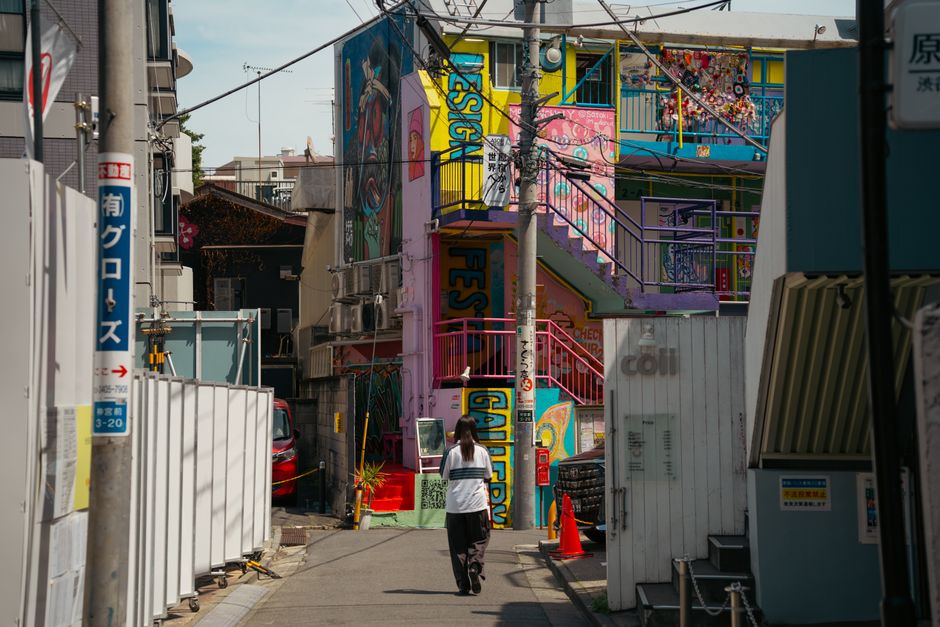
Walk through the narrow alleys of Shimokitazawa on any Friday evening and you'll notice something shifting. The neighbourhood's post-war charm—once dominated by nostalgia-focused izakayas and ramen shops—now hosts a clutch of intimate venues where chefs in their late twenties and early thirties are rewriting the rules of what Tokyo dining means.
This emerging generation represents a distinct departure from the city's established hierarchy. While Tokyo's 404 Michelin-starred restaurants (as of 2025) remain the gold standard globally, younger chefs are finding voice and commercial success in the 8,000-plus independent restaurants that form the city's true backbone. They're less interested in technical perfection for its own sake, more focused on narrative, sustainability, and accessibility.
The shift is evident across three key areas. In Harajuku, around Omotesando and Meiji-dori, a new breed of wine-forward establishments is emerging—places that treat natural wines and Japanese craft producers with the rigour once reserved only for haute cuisine pairings. Meanwhile, Asakusa's restaurant renaissance, driven by younger proprietors reclaiming family businesses, emphasizes seasonal sourcing from rural prefectures while maintaining affordability; expect to spend ¥4,500-6,500 for a full experience rather than the ¥15,000+ benchmark of fine dining.
But perhaps the most significant shift is happening in Shinjuku's side streets and Kichijoji's emerging food corridors, where chefs are blending their personal heritage—increasingly multicultural Tokyo's reality—with Japanese fundamentals. Fusion, long a dirty word in Tokyo's culinary circles, is being reclaimed as genuine cultural expression rather than gimmick.
What unites these voices is their relationship to social media and direct audience engagement. Unlike their predecessors, who built reputation through critics and word-of-mouth, this generation uses Instagram as primary communication tool—not for aesthetic posturing, but as documentation of creative process and ingredient sourcing. Several have built engaged communities of 40,000-80,000 followers before opening physical venues.
The business model differs too. Smaller seats (counter seating dominates), higher staff wages, limited covers—these chefs are deliberately choosing sustainability and staff welfare over maximum profit. It's a marked contrast to Tokyo's decades-long scaling mentality.
For diners, the practical advantage is clear: innovation and integrity at mid-range prices, concentrated in neighbourhoods beyond the Ginza-Minato corridor. The next 18 months will reveal whether this wave solidifies into lasting institutions or remains a promising moment. Either way, Tokyo's food conversation is no longer mono-directional.
This article was compiled by AI from the sources linked above and screened before publishing. See our editorial standards.
How does this story make you feel?
Spread the word
About this article
Published by The Daily Tokyo
Daily brief
Free, in your inbox before 7am. Weekdays.
More in culture