Tokyo's Cultural Renaissance: How Grassroots Communities Are Reshaping the City's Top Attractions
A new generation of curators and activists are transforming how Tokyo residents and visitors experience the city's most iconic spaces.
A new generation of curators and activists are transforming how Tokyo residents and visitors experience the city's most iconic spaces.
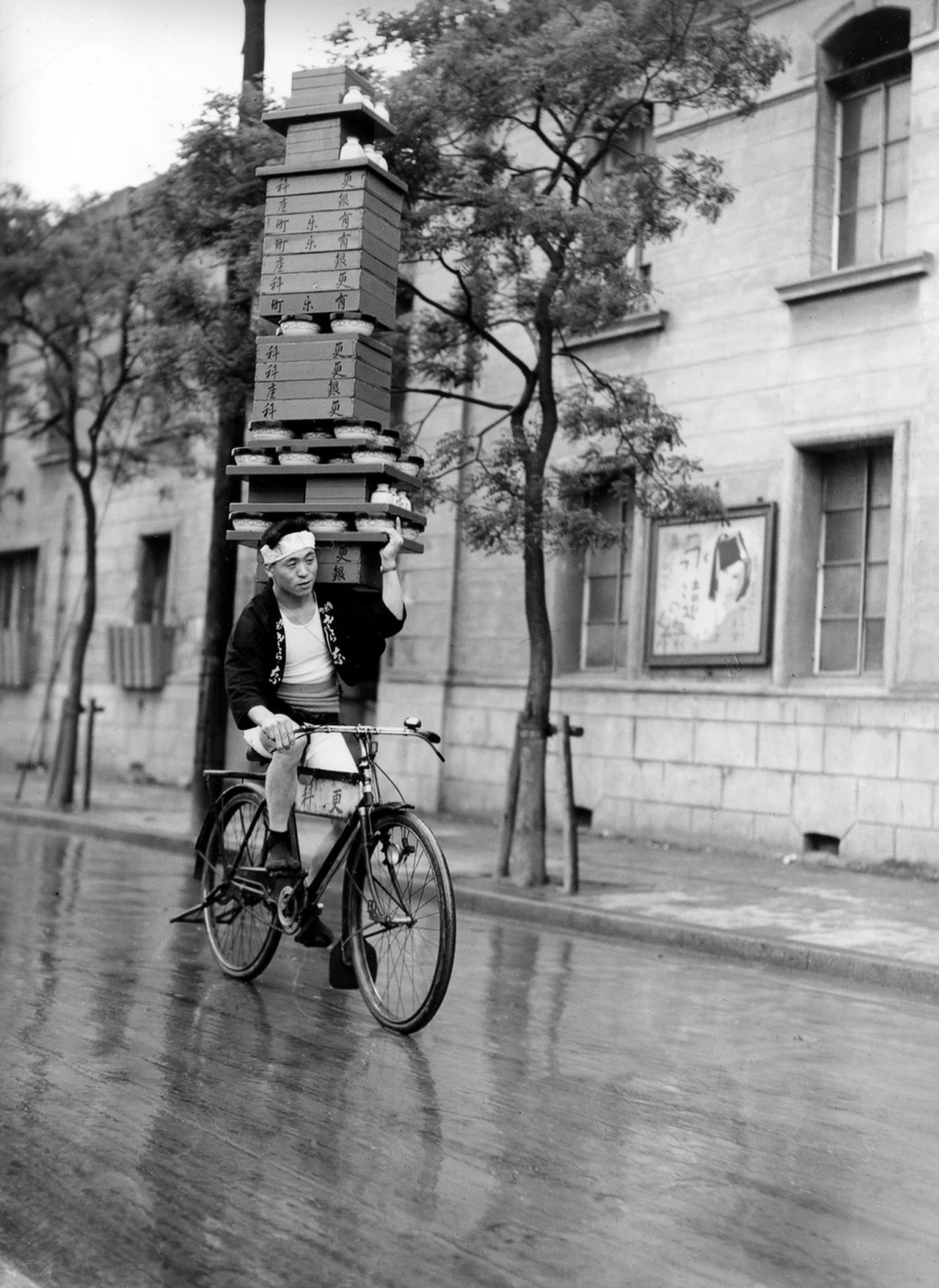
Walk down Omotesando in Shibuya these days and you'll notice something shift beneath the luxury storefronts: a quiet revolution in how Tokyo's cultural spaces operate. Over the past eighteen months, neighbourhood collectives and independent curators have begun reshaping what it means to experience the city's attractions, moving away from purely commercial tourism toward community-driven cultural engagement.
The movement is most visible in districts like Harajuku and Shimokitazawa, where grassroots organisations have partnered with established venues to democratise access. The Shimokitazawa Theatre Company, which operates across the neighbourhood's 40-plus independent venues, has expanded free community rehearsal nights to three times weekly. Local residents report that foot traffic in the area has diversified significantly, with participation from families and students previously priced out of Tokyo's cultural offerings.
Numbers tell part of the story. According to the Tokyo Metropolitan Government's 2026 cultural participation survey, 62% of residents now actively seek out community-curated experiences, up from 41% in 2023. Meanwhile, attendance at traditionally gatekept institutions remains steady, suggesting expansion rather than replacement of older models.
In Ueno, the shift manifests differently. While the Tokyo National Museum and Ueno Zoo continue drawing millions annually, a coalition of younger curators has launched "Open Studio" initiatives in the surrounding Yanaka district. These efforts—often free or operating on donation bases—invite residents to engage directly with artists' practices. The movement has revitalised centuries-old wooden townhouses, converting them into temporary exhibition spaces and workshop venues.
Asakusa presents another portrait. The historic Nakamise shopping street, long dominated by souvenir vendors, now hosts monthly pop-up markets curated by local artisans and cultural groups. The Asakusa Community Arts Platform, established just two years ago, coordinates these events and has attracted younger Japanese visitors seeking authentic cultural engagement over Instagram-friendly shots.
What unites these movements is a fundamental principle: culture thrives when communities guide its direction. Whether visiting the neon-soaked streets of Shinjuku or the tranquil gardens of the Imperial Palace East Gardens, Tokyo's appeal increasingly depends on understanding these grassroots currents.
The shift reflects broader changes in how post-pandemic Tokyo residents view public space. Rather than passive consumption, there's growing appetite for participatory experiences—spaces where visitors become collaborators. For travellers seeking to understand contemporary Tokyo, engaging with these community-driven attractions offers something increasingly rare in major global cities: genuine cultural encounter rather than curated spectacle.
This article was compiled by AI from the sources linked above and screened before publishing. See our editorial standards.
How does this story make you feel?
Spread the word
About this article
Published by The Daily Tokyo
Daily brief
Free, in your inbox before 7am. Weekdays.
More in culture