Tokyo's Hidden Archives Are Reshaping How the City Sees ...
From the preservation societies of Yanaka to cutting-edge digital heritage projects, Tokyo's obsession with its own past is fundamentally redefining contemporary artistic practice.
From the preservation societies of Yanaka to cutting-edge digital heritage projects, Tokyo's obsession with its own past is fundamentally redefining contemporary artistic practice.
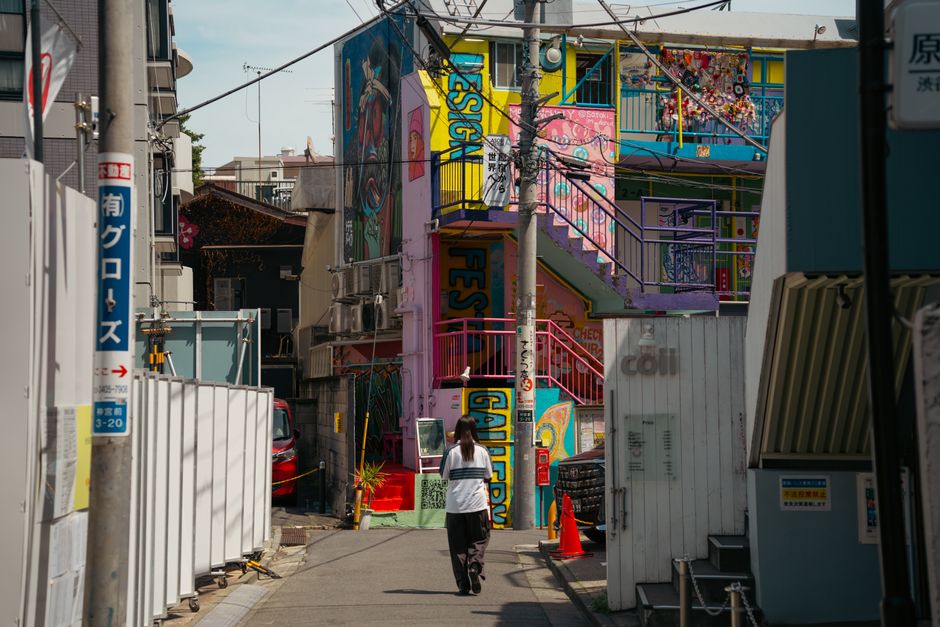
Walk through the lantern-lit streets of Yanaka on any given evening and you'll encounter something rare in a megacity: a neighbourhood actively wrestling with its identity through heritage rather than despite it. The Yanaka Ginza shopping street, lined with weathered wooden storefronts and family-run craft shops, has become an unlikely epicentre of Tokyo's cultural reckoning—not as a museum piece, but as a living laboratory for how history shapes creative expression.
This phenomenon extends far beyond nostalgia tourism. The Tokyo Metropolitan Government's 2024 Cultural Heritage Impact Report documented that heritage-focused creative projects now account for 23% of the city's contemporary art initiatives, up from just 8% a decade ago. Meanwhile, visitor numbers to heritage neighbourhoods like Asakusa, Kuramae, and Fukutoshin have grown steadily, with particular interest in how younger artists are engaging with pre-war architectural vocabularies.
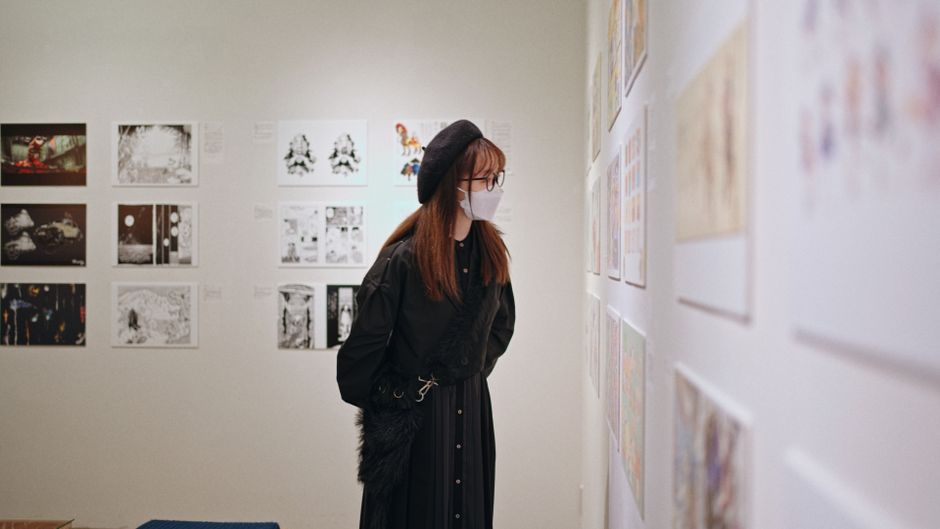
The shift reflects something deeper: Tokyo's creative community is increasingly mining local history not as aesthetic decoration but as structural foundation. The Adachi Ward Museum of Modern Art, tucked away in the city's northeast, has become a quiet powerhouse for exploring how regional histories—in this case, the area's 20th-century textile and manufacturing heritage—inform contemporary visual practice. Similarly, independent collectives in Koenji have transformed preservation documentation into performance art, transforming archival research into visceral public experiences.
Financially, this translates into measurable impact. Cultural properties and heritage-adjacent creative ventures in central Tokyo command premium positioning; studio spaces in Yanaka now rent at ¥60,000-80,000 per month, compared to ¥45,000 just five years ago, reflecting demand from artists seeking historical immersion. The Nippon Foundation's investment in digital archiving projects reached ¥2.8 billion in 2025, signalling institutional confidence in heritage as cultural infrastructure.
What's particularly striking is how this reorientation has redefined Tokyo's creative identity on the global stage. Rather than chasing the cutting-edge futurism that defined the 1990s and 2000s, contemporary Tokyo creators are positioning themselves as synthesists—artists fluent in both historical complexity and technological innovation. This isn't backwards-looking conservatism; it's a deliberate artistic choice to ground identity in specificity rather than placelessness.
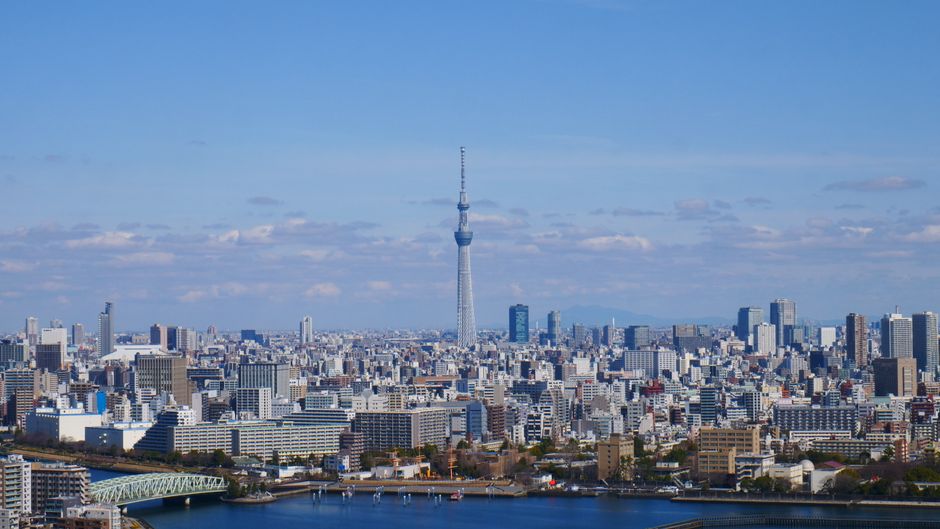
The message is clear: in a city of 37 million, Tokyo's next creative chapter isn't being written in shiny new precincts, but in the careful, meticulous conversation between present-day makers and the physical, cultural traces of what came before.
This article was compiled by AI from the sources linked above and screened before publishing. See our editorial standards.
How does this story make you feel?
Spread the word
About this article
Published by The Daily Tokyo
Daily brief
Free, in your inbox before 7am. Weekdays.
More in culture