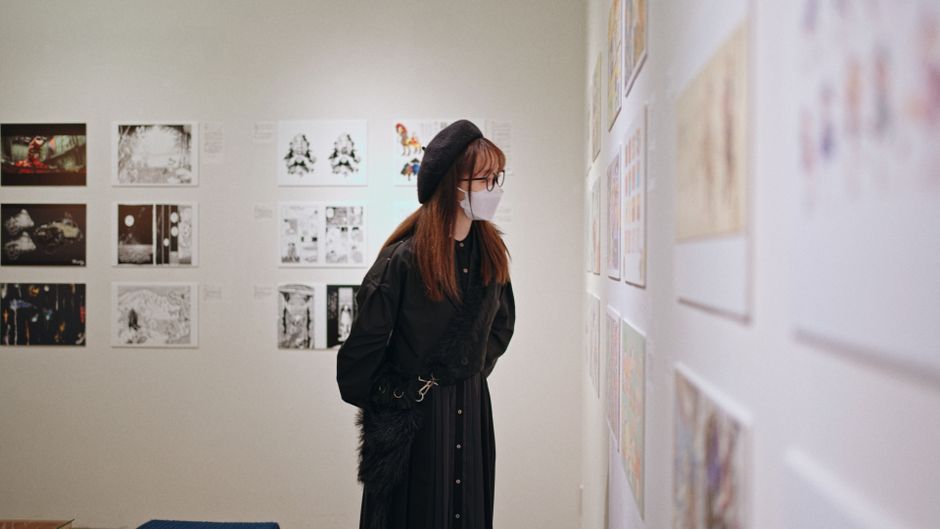
Walk through Shimokitazawa these days and you'll notice something has shifted. The narrow streets that once belonged almost entirely to vintage boutiques and izakayas now pulse with colour. Sprawling murals by both established and emerging artists cover concrete walls where grey utility boxes once dominated the landscape. It's part of a broader creative awakening across Tokyo's street art scene that has residents and cultural observers talking more intensely than at any point in the past five years.
The phenomenon extends far beyond Shimokitazawa. In Koenji, a neighbourhood long celebrated for its counter-cultural spirit, a newly formed collective called Urban Canvas Collective has orchestrated monthly neighbourhood mural projects that have transformed previously unremarkable alleyways into open-air galleries. Similar initiatives are gaining momentum in Harajuku's backstreets and along the Meguro River promenade, where the local government recently greenlit a three-year street art initiative with a budget allocation of ¥45 million.
What's driving this moment? Several factors converge. First, younger Tokyo residents—particularly those aged 25-40—increasingly view street art not as vandalism but as legitimate cultural expression and urban design. The success of design-forward areas like Roppongi Hills and Omotesando has made municipal governments more receptive to grassroots creative placemaking. Second, the post-pandemic recovery has accelerated interest in neighbourhood revitalisation projects as alternatives to corporate-led development.
Real estate data reflects the shift. Property values in Shimokitazawa rose approximately 8% year-on-year through 2025, partly attributed to the area's cultural cachet. Local business associations report that foot traffic in streets with prominent murals increased by 23% compared to adjacent areas without street art installations.
But this renaissance isn't without tension. Tensions between preservation and gentrification loom large. Long-time residents in these neighbourhoods worry that artistic revitalisation will inevitably trigger rent increases and displacement. The Koenji Business Association has already raised concerns about rising property taxes following the neighbourhood's heightened profile.
Still, the conversation among Tokyo's creative community centres on possibility. Design schools report record interest in public art and urban design programmes. The emerging consensus treats street art not as temporary rebellion but as essential infrastructure for livable, culturally vital cities. Whether this energy sustains or becomes another aesthetic trend remains to be seen—but for now, Tokyo's walls are speaking louder than they have in years.
This article was compiled by AI from the sources linked above and screened before publishing. See our editorial standards.