Community-Driven Creativity Fuels Tokyo’s Cultural Renaissance
From artist collectives to pop-up art spaces, local movements are transforming Tokyo’s cultural scene with fresh experiences and unexpected venues.
From artist collectives to pop-up art spaces, local movements are transforming Tokyo’s cultural scene with fresh experiences and unexpected venues.
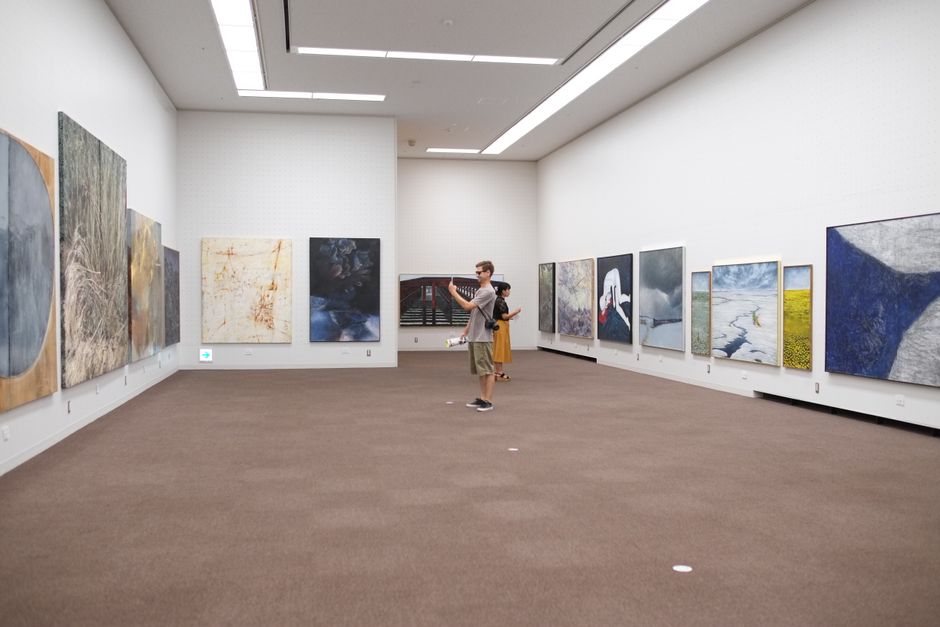
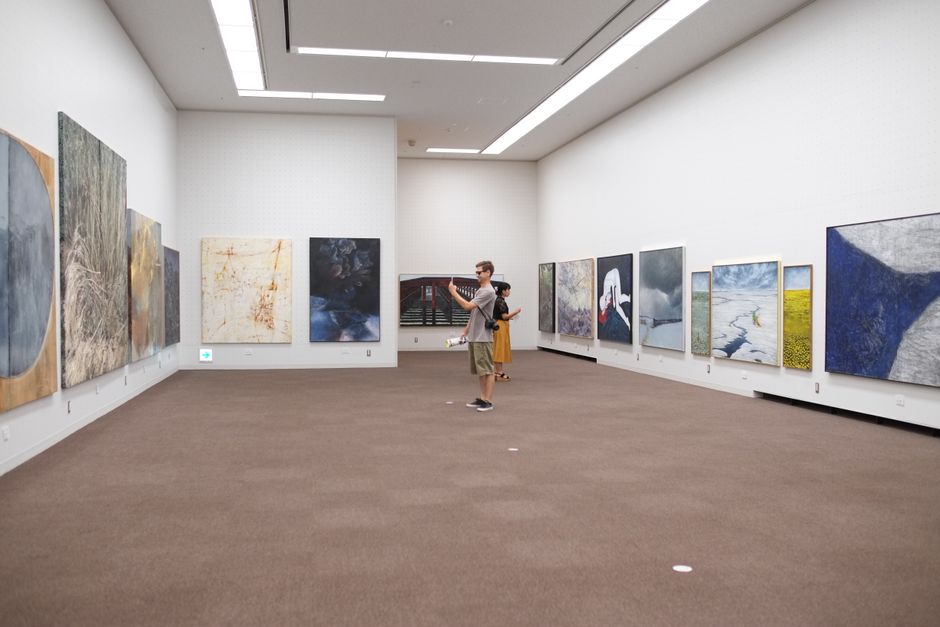
This summer, Tokyo’s cultural landscape is shifting thanks to a vibrant community movement that is redefining how residents and visitors experience the city’s arts and entertainment. New initiatives by grassroots organizations and artist collectives are creating unique spaces and events that emphasize local creativity and participation over traditional commercial venues.
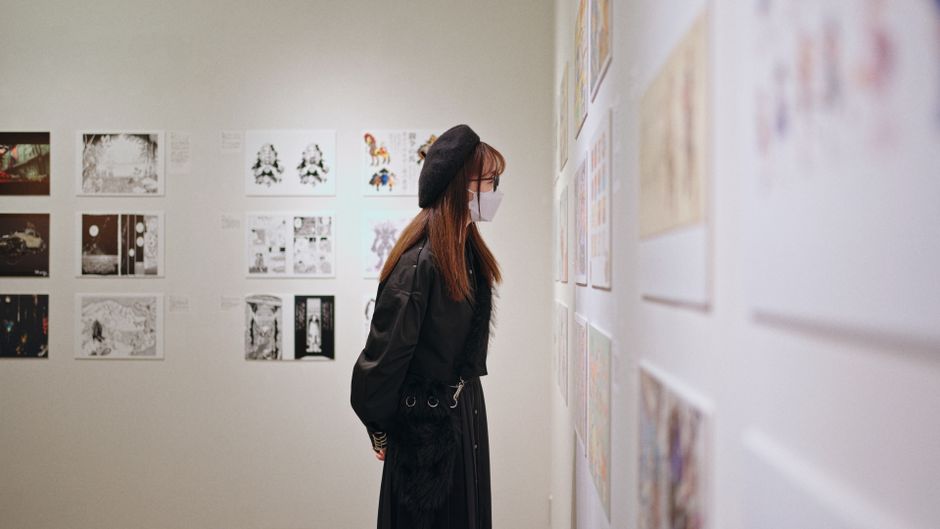
Today, Tokyo’s cultural scene is no longer dominated solely by established institutions like the National Museum of Modern Art or Roppongi’s Mori Art Museum. Increasingly, it is shaped by smaller, community-driven efforts that bring contemporary culture into everyday spaces. Organizations such as Art Yard Tokyo, based in the Shimokitazawa neighborhood, have begun organizing seasonal pop-up exhibitions and workshops within abandoned buildings and repurposed storefronts. These initiatives provide platforms for emerging artists and local talent, drawing attention away from typical tourist hotspots.
Meanwhile, the Nezu district’s creative hub, COHJU contemporary art, has been busy fostering dialogue between traditional craftspeople and contemporary artists, blending historical techniques with modern expression. The group’s recent outdoor installathon at Nezu Shrine attracted over 3,000 visitors in early June, demonstrating strong public appetite for culturally rich yet unconventional experiences.
Data from the Tokyo Metropolitan Government’s Culture and Tourism Bureau indicates a 27% increase in attendance at community-driven cultural events citywide in the first half of 2026 compared with the same period in 2024. More striking is the rise in small venue registrations, now numbering over 150 spaces actively hosting art, music, and interactive performances in residential districts — up from 85 venues two years ago.
For example, the renovation of a former warehouse in Koenji into the "Freudian Slip" arts collective space has transformed a formerly industrial corner into a weekend hotspot featuring everything from experimental theatre to vinyl record swaps. Visitors typically pay ¥1,000–2,000 for entry, supporting artists directly and encouraging affordable access to performance culture.
Additionally, Tokyo’s first "Cultural Commons Market," held in early May at Yoyogi Park, drew over 10,000 attendees and showcased zero-waste stalls, live mural painting, and community-led dance workshops. Events like this reflect the movement’s emphasis on sustainability and inclusiveness, diversifying the city’s cultural offerings.
This momentum is supported by municipal grants totaling ¥120 million earmarked for community art projects over the next two years, encouraging further experimentation beyond conventional galleries and theaters.
For those looking to tap into Tokyo’s evolving cultural pulse, exploring neighborhoods like Shimokitazawa, Koenji, and Nezu offers immediate access to fresh, community-rooted creative experiences. Checking local listings via websites such as Tokyo Art Beat or connecting with collectives on social media can pinpoint upcoming pop-ups and workshops that showcase this cultural shift firsthand.
As Tokyo continues to nurture this grassroots movement, the city’s cultural ecosystem promises an enriching array of novel, accessible artistic encounters. Expect more inventive spaces and collaborative projects on the horizon, inviting both locals and visitors to engage deeply with Tokyo’s dynamic cultural heartbeat.
How does this story make you feel?
Spread the word
About this article
Published by The Daily Tokyo
Daily brief
Free, in your inbox before 7am. Weekdays.
More in culture