A complete guide to the best local experiences right now
As Tokyo enters the peak of summer, here is how to navigate the city’s most essential festivals and seasonal events while the humidity remains high.
As Tokyo enters the peak of summer, here is how to navigate the city’s most essential festivals and seasonal events while the humidity remains high.
Tokyo’s festival circuit has officially moved into high gear this July, turning streets from Yanaka to Roppongi into sprawling, illuminated arenas for traditional and contemporary performance. Despite this week's sweltering mercury spikes—which have pushed temperatures toward 36 degrees Celsius—city officials at the Tokyo Metropolitan Government have reported a record 18% increase in advance ticket sales for major indoor and evening outdoor cultural programs compared to this time last year.
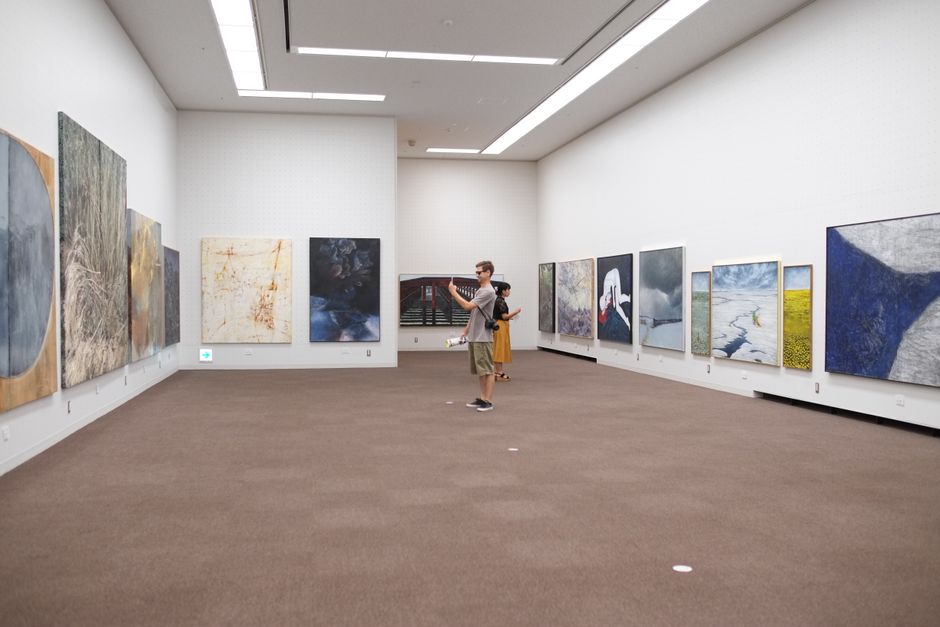
The centerpiece of the weekend is undoubtedly the ongoing preparation for the Mitama Matsuri at Yasukuni Shrine in Chiyoda. Starting July 13, the grounds will feature more than 30,000 lanterns casting a soft glow across the paths leading to the main hall. While it remains a solemn occasion for many, the atmosphere is electric, marked by the rapid-fire beat of taiko drums echoing through the nearby Kudanshita neighborhood. For those seeking a more modern immersion, the Mori Art Museum in Roppongi Hills is currently hosting its "Earthbeat" retrospective, which provides a climate-controlled sanctuary from the afternoon heat.
Economic data from the Tokyo Chamber of Commerce and Industry suggests that local businesses are heavily banking on these events to buoy the retail sector after a sluggish spring. Retailers in the Ginza district have adjusted their floor hours, with several flagship stores on Chuo-dori extending operations until 10 p.m. to accommodate the influx of evening pedestrians. Prices for premium festival kits, including high-grade cotton yukata and matching geta sandals, are currently averaging 14,500 yen at department stores like Mitsukoshi, reflecting a slight uptick in demand for authentic, locally crafted textiles.
Public transportation remains the most reliable way to traverse the city as police implement rolling road closures near major venues in Shinjuku and Ueno. The Tokyo Metro has updated its mobile application to provide real-time congestion heat maps, a tool that has become vital for anyone attempting to reach the Sumida River area during peak movement hours. Commuters should expect delays near Asakusa Station, as security personnel have been instructed to manage passenger flow more strictly to prevent bottlenecks on the narrow approach to Senso-ji.
For the best experience, aim to shift your schedule toward the "Blue Hour"—the window between 6:30 p.m. and 8:00 p.m. when the city lights begin to flicker on and the ambient air cools slightly. If you are planning a visit to the Nezu Museum in Minato, verify their late-night garden entry status on their official portal before commuting; they have implemented a rolling reservation system that sells out exactly 48 hours in advance. Always carry a secondary hydration source, as bottled water kiosks in major parks like Yoyogi are frequently overwhelmed by 3:00 p.m. during this current heat wave.
How does this story make you feel?
Spread the word
About this article
Published by The Daily Tokyo
Daily brief
Free, in your inbox before 7am. Weekdays.
More in culture