Tokyo’s Gallerists Pivot from White Cubes to Radical Spaces
A new generation of curators is abandoning traditional hubs for the backstreets of Yanaka and Koto, forcing a complete rethink of the city’s exhibition model.
A new generation of curators is abandoning traditional hubs for the backstreets of Yanaka and Koto, forcing a complete rethink of the city’s exhibition model.
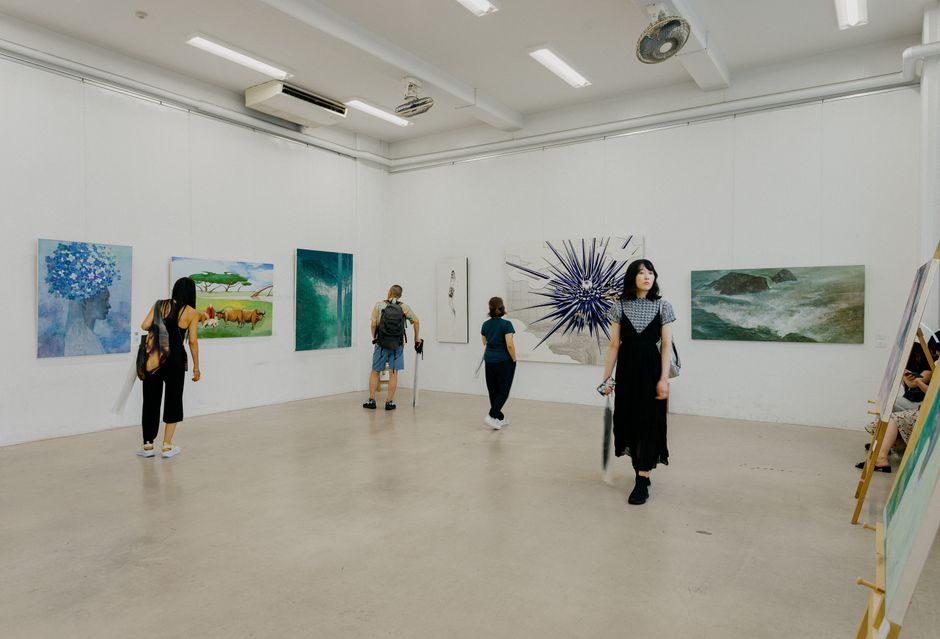
Tokyo’s art scene is abandoning the glossy high-rises of Roppongi in favor of the cramped, historic wooden houses of the city’s eastern fringes. This shift, led by a coalition of artist-run collectives and independent curators, prioritizes hyper-local engagement over the international blue-chip circuit that defined the early 2020s. On a sweltering Friday afternoon, the contrast is stark: while major institutions in Minato are struggling to maintain attendance amid record-breaking heat waves, these smaller, community-centered venues are seeing a surge in foot traffic from residents seeking more intimate, unfiltered cultural experiences.
The movement centers on the adaptive reuse of machiya—traditional wooden townhouses—which are being converted into experimental galleries. In the quiet back alleys of Yanaka, groups like the 'Sento Project' have taken over decommissioned bathhouses, turning cavernous, tiled interiors into installation spaces that eschew the pristine, untouchable aesthetics of the Mori Art Museum. Similarly, the Koto neighborhood has seen a 40% increase in temporary exhibition permits filed with the local municipal office over the last six months, signaling a migration of creative capital away from the commercial galleries in Ginza.
This is not merely an aesthetic preference; it is a defensive reaction to the soaring commercial rents in central districts. With average office square footage in Chiyoda hitting 32,000 yen per tsubo this quarter, independent creators are effectively being priced out of the city center. By moving into underutilized residential properties in Taito or Sumida, these collectives are creating spaces that double as community hubs. They host late-night poetry readings, ceramic workshops for local schoolchildren, and long-form residency programs that last upwards of three months, fostering a deeper connection with the immediate neighborhood than a standard rotating exhibition ever could.
Evidence of this decentralization is showing up in the balance sheets of Tokyo’s creative economy. According to data released by the Japan Art Dealers Association, total sales at mid-sized galleries outside the central hubs increased by 18% year-over-year as of June 2026. While the average price point for an installation piece at a major commercial gallery remains well above 2 million yen, these new neighborhood venues are selling 60% of their works in the 50,000 to 200,000 yen range. This accessible pricing structure has widened the collector base, attracting a younger demographic of professional residents living in the older, industrial quarters of the Koto Ward.
For those looking to catch the next wave of this movement, the upcoming 'East Tokyo Art Weekend' scheduled for September 12–14 is the essential primer. Visitors should bypass the shuttle buses and instead focus on the walking routes between Kiyosumi-Shirakawa and the riverside studios in Monzen-nakacho. These spaces do not keep standard museum hours; checking the Instagram feeds of independent collectives like 'Studio 404' or the 'Sumida Creative Union' 24 hours before arriving is standard practice to ensure the doors are open. Expect nothing in the way of climate-controlled luxury, but prepare for a firsthand look at the art currently defining the city’s next decade.
How does this story make you feel?
Spread the word
About this article
Published by The Daily Tokyo
Daily brief
Free, in your inbox before 7am. Weekdays.
More in culture