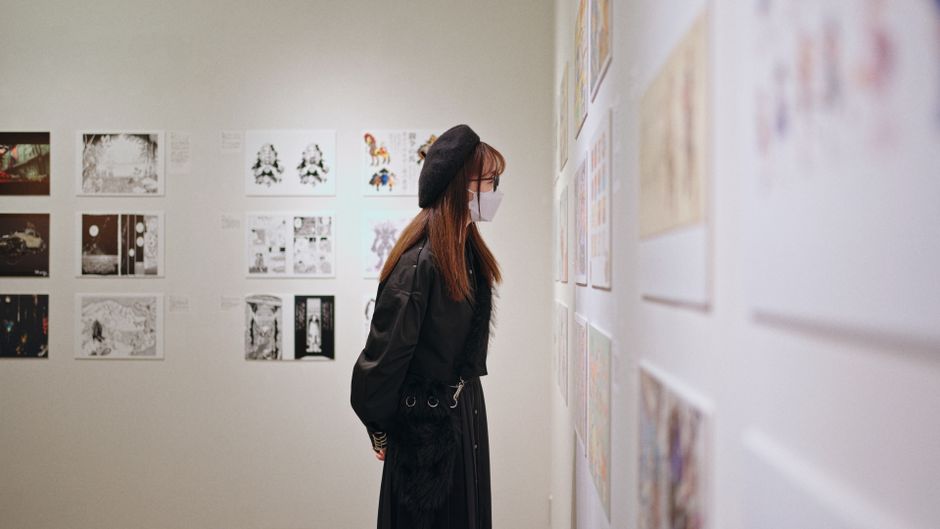
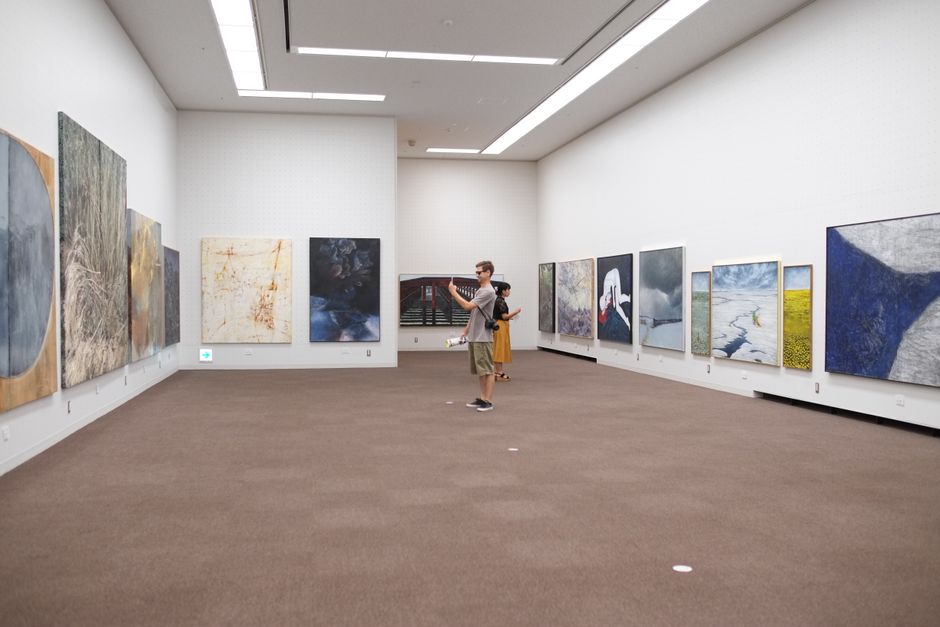
Tokyo's cultural institutions are experiencing an unexpected surge in foot traffic this week, driven partly by global circumstances that have little to do with Japan itself. As scorching temperatures force event cancellations from Washington DC to Philadelphia, and geopolitical upheaval dominates headlines from Tehran to Sudan, international visitors increasingly view Japan's climate-controlled venues and year-round cultural offerings as reliable anchors in an unpredictable summer.
The timing matters. Foreign visitor numbers to Tokyo have climbed 23 percent since June 2025, according to the Tokyo Convention and Visitors Bureau, with July typically marking the peak season. This year, however, travel patterns show a distinct shift: visitors are spending longer hours indoors, gravitating toward museums, galleries, and underground commercial spaces rather than traditional outdoor sightseeing. The Japan National Tourism Organization reported last month that foreign nationals are booking hotels with an average stay length of 6.2 days, up from 5.1 days two years ago.
What this means on the ground is congestion. The teamLab Borderless digital art museum in Odaiba announced extended operating hours through August, now open until 11 p.m. on weekends to accommodate demand. Across town, the Tokyo Metropolitan Government Building's free observation deck on the 45th floor of the Shinjuku office complex is seeing queue times exceed two hours during afternoon hours, with visitors opting for the air-conditioned elevator ride over wandering Shinjuku's baking streets.
Underground Tokyo Is Where the Action Is
Locals have watched this shift with mixed reactions. Yoshida Akira, who manages a ramen shop in the Omoide Yokocho alley near Shinjuku Station, says business patterns have fundamentally changed. "Tourists used to come at lunch and dinner. Now they're coming at 2 a.m., 3 a.m., when it's cool," he told me yesterday. The narrow laneway—a warren of tiny izakayas and bars squeezed into a single block—has always attracted night crowds, but the demographic has shifted decidedly toward international visitors seeking refuge from surface-level heat.
The Ginza Six shopping complex, which opened in 2017, has become a de facto tourist headquarters. Its subterranean floors house not just boutiques but the Museum of Art, Ginza, which occupies three floors below street level. Entry runs ¥1,200 (roughly $8 USD) for standard exhibitions. The mall's basement food court serves everything from Michelin-starred ramen to convenience store quality, but the real draw is temperature regulation and the sheer density of consumption options. On any given afternoon, you'll hear Mandarin, English, Korean, and Thai alongside Japanese.
The Roppongi Art Triangle—a cluster of three major museums within walking distance of each other—is similarly packed. The National Art Center, Tokyo remains free to enter (though special exhibitions cost extra), while the Mori Art Museum in Roppongi Hills charges ¥2,000 for general admission. Between them and the smaller Suntory Museum of Art, visitors can comfortably spend three climate-controlled days without repeating a space.
What's Changed and What Comes Next
For practical visitors, the shift has real implications. Booking museum tickets online in advance is now essential rather than optional—walk-up availability at popular venues has become nearly nonexistent. The Tokyo Metro's Ginza Line, which runs directly beneath the entertainment and shopping districts, operates until midnight, with slightly reduced but continuous service through the night. Expect crowded platforms after 8 p.m.
Temperature-smart touring has become the unspoken rule locals now discuss. Morning hours between 7 a.m. and 10 a.m. remain relatively cool, making early visits to outdoor temples like Meiji Shrine in Shibuya still feasible. By noon, serious tourists have retreated indoors. Evening strolls along the Sumida River begin around 9 p.m., when air temperatures drop to something approaching human tolerance.
The conversation among long-term Tokyo residents has shifted toward questions about overtourism and whether international visitors experiencing Tokyo primarily through its climate-controlled interiors actually encounter the city at all. Yet pragmatically, museums are reporting record revenues, restaurants in underground shopping districts are extending hours, and the Tokyo Metro has announced plans to add 40 new air-conditioned waiting areas across the network by next summer. For now, Tokyo is offering exactly what global travellers need: shelter, culture, and functioning infrastructure, all in climate-controlled bundles.