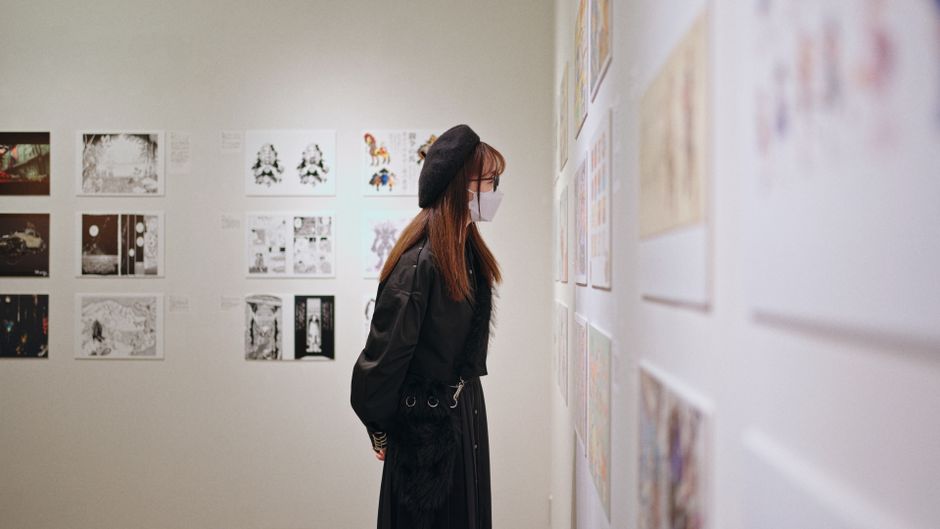
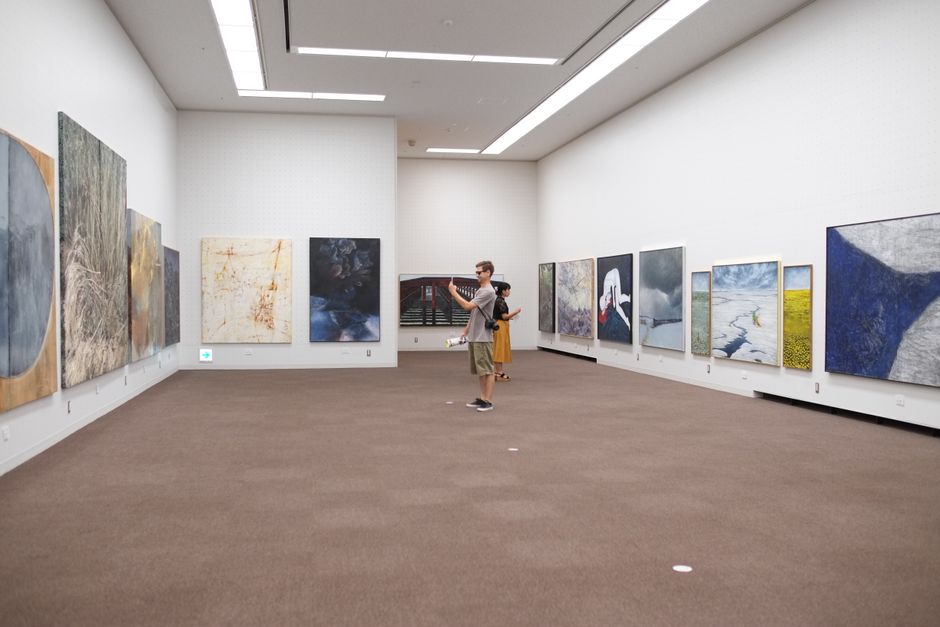
Tokyo's cultural landscape has fractured and reformed so many times in the past five years that the city now operates less like a single destination and more like a series of parallel artistic universes, each requiring its own entry ticket and set of unwritten rules.
The shift matters now because the city has stopped waiting for visitors to find the obvious attractions. Museums have started closing permanently during summer months—the Mori Art Museum in Roppongi Hills cuts its hours by 40 percent in July and August—while smaller venues in Harajuku and the backstreets of Shibuya have pivoted toward permanent installations specifically designed for off-peak tourism. This isn't a temporary pandemic aftereffect. Gallery operators and cultural programmers at organizations like the Japan Foundation say they're deliberately restructuring how they operate based on climate realities and shifting visitor patterns.
The Institutional Gatekeepers Are Changing the Rules
Start with the obvious disconnect: the Tokyo National Museum in Ueno still draws 1.2 million visitors annually, making it one of the world's top ten most-visited museums. But meaningful engagement with Japanese cultural artifacts now happens elsewhere. The museum's new ticketing system, implemented in April 2026, charges 1,500 yen for permanent collections (roughly $11) while temporary exhibitions cost nearly double. Most serious visitors now spend time at smaller, specialized institutions like the Crafts Gallery in Kita-sanjo instead, where a single exhibition might explore 15 different regional pottery traditions across three months rather than cycling through blockbuster shows every six weeks.
Walk down Omotesando and you'll see the infrastructure of tourism has physically changed. The shopping district, once a straightforward luxury retail corridor, now hosts rotating public art installations curated by Tokyo Metropolitan Government's Cultural Projects Division. These aren't temporary sculptures stuck in plazas. They're permanent infrastructural changes—new water features in Jingu Bridge Plaza, reimagined plaza seating at Omotesando Hills that functions as both commercial and cultural space. A visitor might spend three hours here without entering a single shop.
The Neighborhood-Level Culture Is Where the Real Work Happens
Shimokitazawa tells you everything you need to know about how Tokyo's grassroots culture actually operates. The neighborhood contains 44 theaters and performance spaces packed into a 1.5-square-kilometer area—making it statistically denser with performance venues than any comparable district in any other major city. These aren't corporate multiplex theaters. The Shimokitazawa Theater Company, the Terujimagun, the Setagaya Public Theater's satellite venue—each operates on fundamentally different programming models, ranging from 10-day avant-garde runs to quarterly experimental collaborations with artists based in Southeast Asia.
Admission prices range from 2,500 yen to 8,000 yen depending on venue and production. Many shows sell out weeks in advance. The cultural economy here is genuinely local: productions routinely hire neighborhood residents, rent equipment from shops within walking distance, and reinvest revenue directly back into programming. This economic model actually shapes what gets made. Small theater companies can't afford to produce plays that appeal to everyone, so they produce work specifically designed for people who live in the neighborhood or who have traveled specifically to see it.
Contemporary art institutions like Watari-um and the Mujin-to Production space in Kuramae operate on similar principles. Watari-um's 2024-2026 programming focused entirely on artists with roots in East and Southeast Asia. The space averages 400-500 visitors per exhibition rather than aiming for mass attendance. Entry costs 1,800 yen. Most visitors spend two to three hours inside.
For anyone serious about understanding Tokyo's cultural reality, skip the guidebook recommendations entirely. Research specific theaters and galleries directly. Many close during summer for renovation or artist residencies. Confirm hours before traveling to any venue. Visit neighborhoods rather than attractions. Spend time in Shimokitazawa, Kichijoji, and Nakano rather than checking boxes at major museums. The city will reward patience with genuine cultural engagement rather than tourism theater.