Neon Echoes: The History and Evolution of Tokyo’s Summer Festival Scene
From post-war street dances to the digital art boom, Tokyo’s summer calendar continues to shed its traditional skin in favor of high-tech spectacle.
From post-war street dances to the digital art boom, Tokyo’s summer calendar continues to shed its traditional skin in favor of high-tech spectacle.
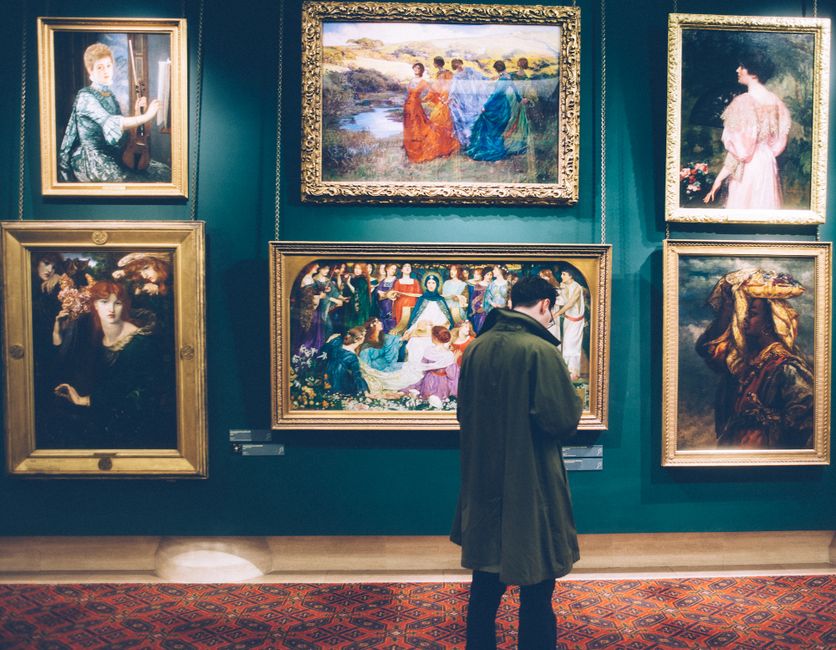
Tokyo’s festival calendar has hit a pivot point this July, as the traditional Bon Odori dance circles find themselves sharing space—and sometimes losing ground—to immersive digital installations. While the city prepares for the Obon holiday season, the focus has shifted from neighborhood-led street performances to centralized, air-conditioned extravaganzas hosted by corporate-backed arts collectives.
This shift matters because the city’s identity is increasingly tethered to its ability to monetize atmosphere. Neighborhood associations in areas like Asakusa and Yanaka are reporting a 15% drop in volunteer participation for local festivals compared to 2019 levels, as younger residents migrate toward events that offer high-speed connectivity and climate control. The city is no longer just a collection of shrines; it is a laboratory for how culture survives when the temperature exceeds 35 degrees Celsius.
In the mid-1970s, the heart of Tokyo’s summer was the neighborhood shrine festival. Places like the Kanda Myojin Shrine and the Hie Shrine in Chiyoda served as the primary nodes for social cohesion. During that era, the 'Shitamachi' spirit of the eastern districts dictated the rhythm of the city. Vendors sold yakisoba from wooden stalls for 200 yen, and the sound of Taiko drums echoed off low-rise apartment blocks. Today, those drums are frequently amplified through Dolby Atmos systems at venues like the teamLab Borderless center in Azabudai Hills or the Roppongi Hills Mori Tower.
The evolution is not merely architectural but economic. The Tokyo Metropolitan Government’s latest 'Culture and Tourism Promotion Plan' suggests a move toward 'Year-Round Entertainment,' favoring events that attract high-spending international tourists. Where the Chuo-dori avenue in Ginza was once closed off exclusively for local parades, it is now subject to sophisticated pedestrian crowd-control simulations conducted by the Tokyo Metropolitan Police to ensure safety during high-capacity events.
Statistics provided by the Japan Tourism Agency highlight this trend clearly: while traditional matsuri attendance has stagnated, spending at 'experience-based' digital festivals has climbed by 22% over the last fiscal year. The average ticket price for a major mid-summer indoor exhibition in the Minato ward now sits at approximately 3,800 yen, a steep climb from the cost of a festival fan or a street snack. Critics argue that this sanitization of summer tradition strips the city of its unpredictable, chaotic charm, replacing it with curated experiences that can be easily filmed and shared on global social media platforms.
For those looking to experience the fading remnants of the old scene, the best advice remains to step away from the major hubs. Head to the smaller, temple-adjacent neighborhoods of Nezu or sendagi after 8:00 p.m. this coming weekend. These pockets of the city still maintain the older, analog rhythm of paper lanterns and local drum circles. Expect to pay cash only, bring your own folding fan, and keep in mind that many of these local events will conclude by 9:30 p.m. to avoid noise complaints from the newer, high-density residential towers encroaching on the city center.
How does this story make you feel?
Spread the word
About this article
Published by The Daily Tokyo
Daily brief
Free, in your inbox before 7am. Weekdays.
More in culture