Tokyo's Hidden Culture Scene: How a City Reinvented Its Own Entertainment
From bohemian jazz clubs in Shinjuku to contemporary art galleries in Shibuya, Tokyo's cultural institutions have spent decades reshaping what it means to experience the city.
From bohemian jazz clubs in Shinjuku to contemporary art galleries in Shibuya, Tokyo's cultural institutions have spent decades reshaping what it means to experience the city.
Tokyo's culture scene didn't emerge fully formed. It evolved through decades of experimentation, economic booms and busts, and the relentless Japanese appetite for novelty. What makes the city distinctive today—its patchwork of themed neighbourhoods, its underground music venues, its design-forward galleries—traces back to specific moments of creative risk-taking that most visitors never learn about.
This matters now because Tokyo faces pressure from cheaper Asian rivals and the residual effects of pandemic closures. Yet the city's cultural infrastructure has proven resilient in ways that suggest deeper roots than mere tourism economics. Understanding how Tokyo built its scene offers clues about what keeps it thriving even as global travel patterns shift and younger audiences fragment across streaming platforms and social media.
Start in Shinjuku, where jazz clubs like Memory Lane and Pit Inn have operated since the 1960s, when American servicemen and Japanese musicians first began experimenting with live improvisation in cramped basement rooms. Memory Lane sits three flights down in a narrow building on Meiji-dori, barely marked from street level. The owner still enforces a strict one-drink minimum and rarely advertises. This model—obscurity as feature, not bug—defined Tokyo's early underground culture.
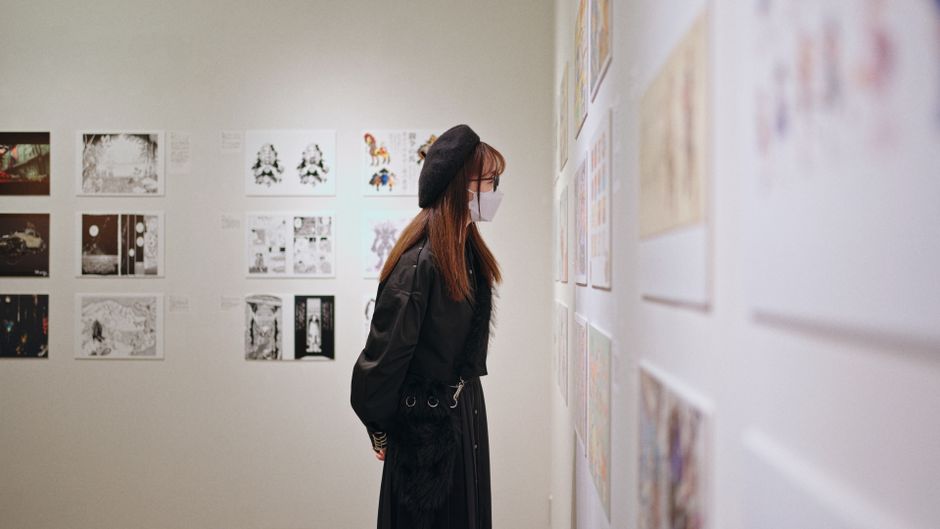
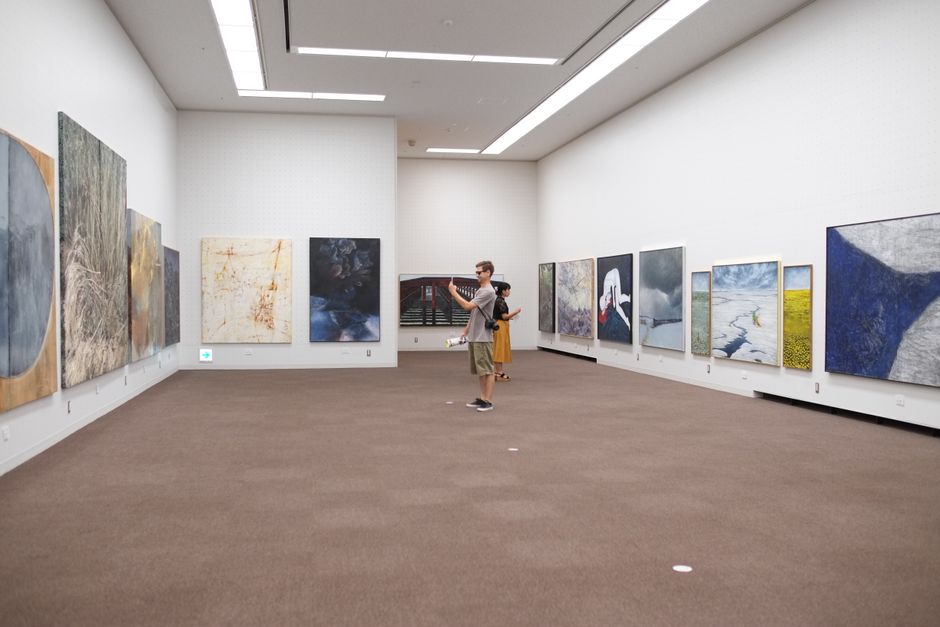
Contrast that with Roppongi Hills, the massive mixed-use complex that opened in 2003 and includes the Mori Art Museum on its 52nd floor. The museum attracts roughly 800,000 visitors annually and charges 2,000 yen (about $14) for admission. It represents a deliberate shift toward accessibility and scale. Yet both approaches coexist. In Harajuku, tiny independent galleries tucked into Omotesando backstreets still operate on 15-year-old business models, selling prints and hosting student shows with free entry.
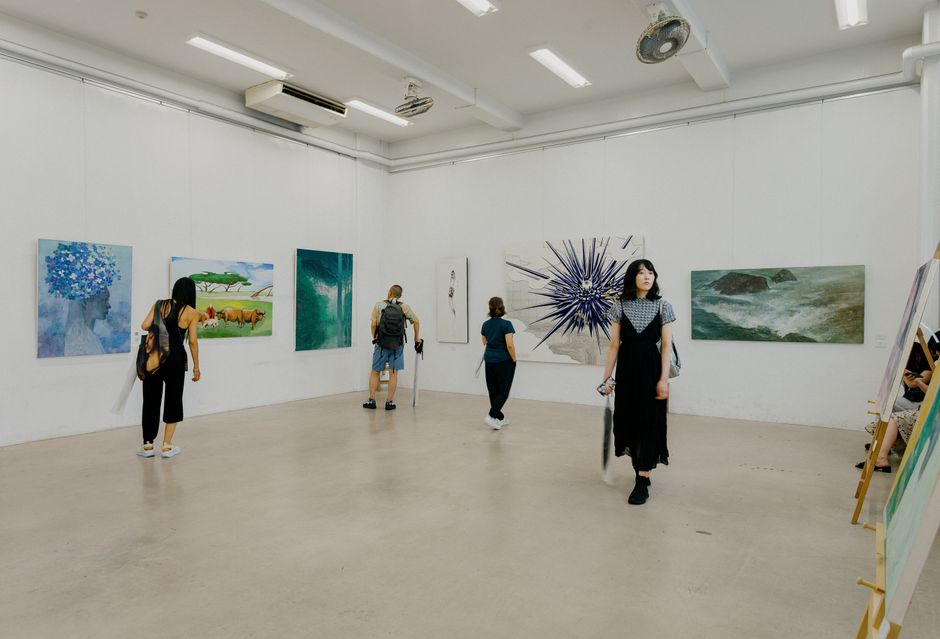
The real evolution happened between these poles. In the 1980s, Tokyo's bubble economy flooded culture with money. Galleries exploded in Ginza. Theater companies received corporate sponsorship. Then the 1990s recession flattened everything. Venues closed. Artists moved to cheaper neighbourhoods. This collapse forced creativity: smaller galleries in Shibuya and Shinjuku developed the intimate, experimental programming that now defines Tokyo's contemporary art scene.
Tokyo's cultural economy generated roughly 2.3 trillion yen in 2024, according to the Tokyo Metropolitan Government's cultural affairs division. That's 4.5 percent of the city's total economic output. The number of independent art galleries in central Tokyo increased from 342 in 2010 to 589 in 2025, a 72 percent jump driven largely by younger curators operating on shoestring budgets in converted storefronts.
Theater tells a similar story. The Setagaya Public Theatre, which opened in 1988 in the residential Setagaya ward, now produces 40 performances annually and trains 200 emerging directors and writers. Its 2025 budget was 3.2 billion yen. Yet Tokyo still has more black-box theaters—intimate 100-seat venues run by collectives—than any comparable global city. These spaces barely break even financially, yet they persist because performers and audiences keep showing up.
If you're planning a visit, skip the obvious temples and instead spend an afternoon walking from Nishi-Azabu to Roppongi, where galleries occupy converted houses. Stop at Perrotin Gallery on Omotesando (they show contemporary Japanese and international artists). Grab dinner in a tiny ramen shop, then head to a live music venue in Shinjuku—tickets typically run 3,500 to 6,000 yen. The actual Tokyo culture scene lives in these transitions between neighbourhoods, in the gaps between what guidebooks recommend and what locals actually do. That tension, preserved across sixty years, is what makes Tokyo different.
How does this story make you feel?
Spread the word
About this article
Published by The Daily Tokyo
Daily brief
Free, in your inbox before 7am. Weekdays.
More in culture