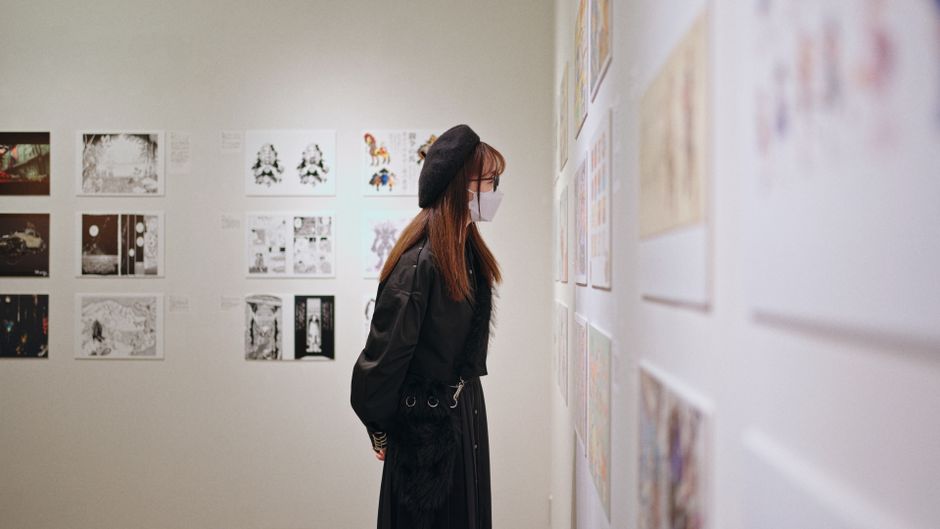
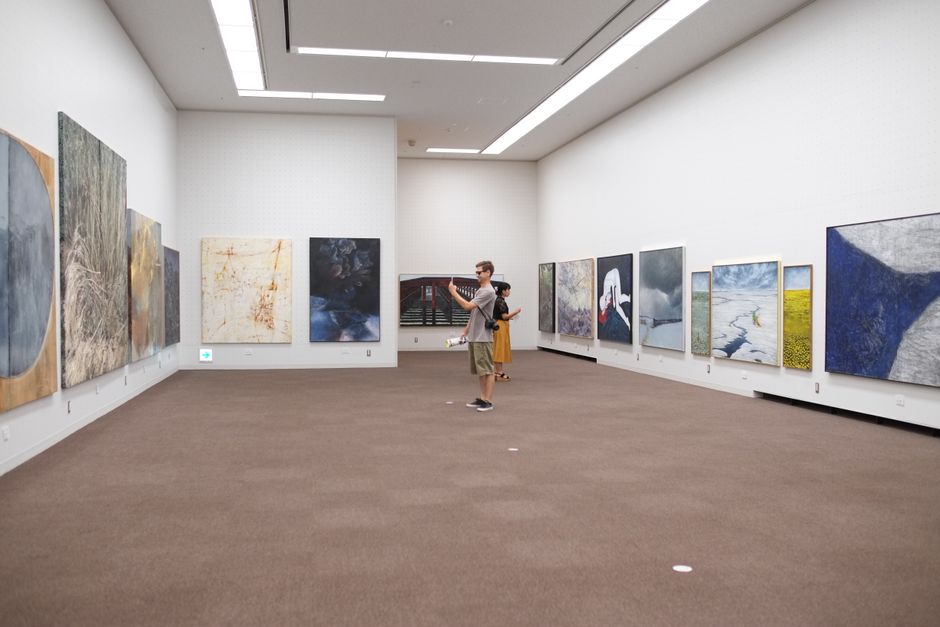
Tokyo's creative class is abandoning the established hierarchy. Where galleries in Ginza once dictated taste and opportunity, a network of artist-run spaces in Harajuku, Shimokitazawa, and the industrial pockets of Koenji is now setting the cultural agenda—and attracting collectors, curators, and international press in the process.
The shift reflects a larger truth about the city in 2026: Tokyo's creative identity is no longer shaped by monolithic institutions or corporate sponsorship alone. Instead, it emerges from the ground up, through spaces where a painter might share a converted warehouse with a sound artist, where rents remain low enough to sustain experimentation, and where the boundary between commercial and non-commercial work has become deliberately blurred. This democratization of cultural production is fundamentally reshaping who gets to define Tokyo as a creative center.
Walk through Shimokitazawa on a Friday evening and you'll find at least a dozen gallery openings happening simultaneously in spaces that would barely fit thirty people. The neighborhood, long famous for its theaters and live music venues, has become a laboratory for what happens when artists gain control of distribution. A collective called Neon Harvest operates out of a 40-square-meter second-floor space on Taishakuten-dori, hosting monthly exhibitions that range from photography to installation art. Two blocks away, a former pachinko parlor has been converted into a three-level artist complex called Koenji Art Annex, where thirty different makers rent studios and share a communal gallery on the ground floor.
The Economics of Staying Put
The arithmetic matters. Rental prices in Harajuku and Koenji average ¥8,500 to ¥12,000 per square meter monthly—roughly half what gallerists pay in Ginza's Chuo-dori district. That difference is the difference between sustainability and burnout. It's also the difference between taking risks on experimental work and chasing commercial safety.
According to data from the Tokyo Metropolitan Government's Cultural Foundation released in March, 47 percent of independent artists under age 35 now cite affordable studio space as their primary reason for staying in Tokyo, up from 31 percent in 2021. The same survey found that 73 percent of these artists exhibited their work outside traditional gallery systems—at community centers, artist collectives, or temporary pop-up venues—compared to 52 percent five years ago.
This shift has real economic consequences. The independent art market in Tokyo generated approximately ¥22 billion in transactions last year, according to Tokyo Gallery Association estimates. That's not Hollywood-wedding-level money, but it's real commerce flowing directly to artists rather than through auction houses or mega-galleries. Collectors from New York, Berlin, and Singapore now schedule trips to Tokyo specifically to visit Shimokitazawa and Koenji, not the Roppongi Hills galleries.
The cultural identity emerging from these spaces is distinctly Tokyo—scrappy, community-focused, technologically engaged, and skeptical of pretension. It mirrors how the city itself has always operated: bottom-up, neighborhood-by-neighborhood, with local identity preceding any top-down narrative.
What Comes Next
The challenge now is preservation without polishing. Shimokitazawa's real estate market has heated up recently. Several landlords have begun converting artist studios into higher-end residential units. The Tokyo Metropolitan Government has announced a new cultural zoning initiative in July that aims to protect artist spaces in five neighborhoods—Koenji, Shimokitazawa, Harajuku, Yanaka, and Kuramae—through long-term lease agreements. Whether that protection arrives fast enough remains an open question.
For now, the artists are building. Visit any of these neighborhoods on a weekend and you'll find the city's creative identity not in museums or official exhibitions, but in the work being shown, sold, and debated in spaces that might not exist next year. That precarity is precisely what keeps the work honest.