Tracing Tokyo's Unique Cultural Scene: From Postwar Roots to Modern Innovation
An exploration of how Tokyo's distinctive cultural activities have developed alongside the city's dynamic history and changing social landscape.
An exploration of how Tokyo's distinctive cultural activities have developed alongside the city's dynamic history and changing social landscape.
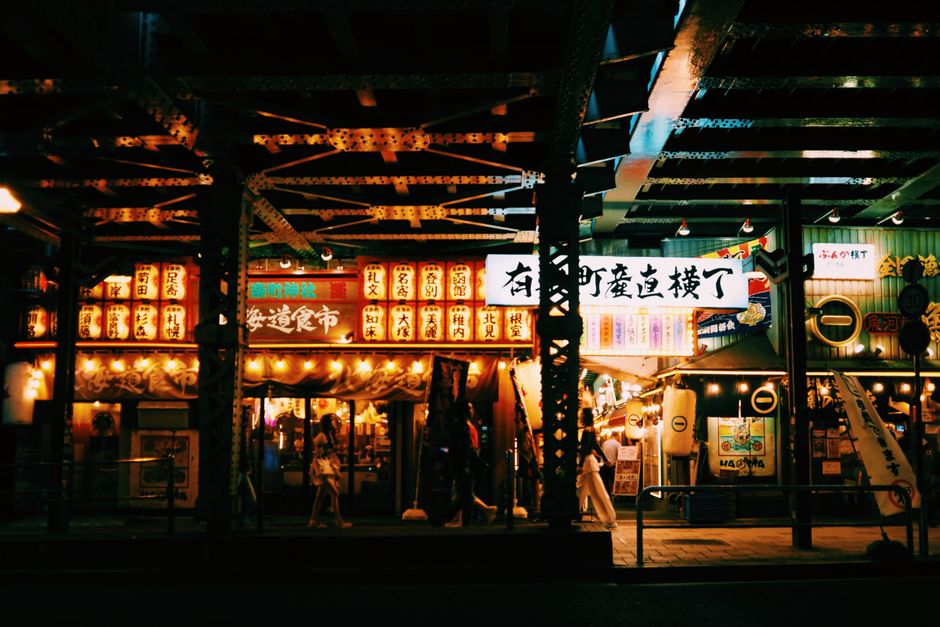
Tokyo’s cultural scene offers some of the most unique experiences in any major city, blending centuries-old traditions with bold contemporary innovation. From niche theatre performances in Shinjuku’s Golden Gai district to the revival of traditional craftsmanship in Asakusa, the city’s cultural evolution reflects Tokyo’s resilience and adaptability over the decades.
Understanding the history behind Tokyo’s cultural scene matters now as the city prepares to welcome a surge of international visitors this summer, driven partly by new travel routes established post-pandemic. Local cultural operators are highlighting unique offerings to stand out in a competitive tourism market. The scene also serves as a barometer for broader societal changes in Japan, including shifts in youth interests and the balancing act between modernization and preservation.
After the devastation of World War II, Tokyo underwent rapid reconstruction and modernization, which deeply influenced its cultural fabric. The narrow alleys of Golden Gai in Shinjuku, once a red-light district, evolved into a hub for small, eclectic bars and intimate performance spaces during the 1960s and 1970s. Today, venues like Bar Zura and La Jetée host experimental theatre and underground music, drawing both locals and international visitors seeking unconventional cultural experiences.
Meanwhile, Asakusa remains a living repository of Edo-period traditions. The establishment of the Asakusa Culture and Tourist Information Center in 2011 helped boost interest in traditional arts, offering workshops in crafts like Edo kiriko glass-cutting and ningyo yosegi marquetry. These programs, run by local artisans and supported by the Tokyo Metropolitan Government, have partnered with cultural preservation groups to sustain practices that otherwise risk fading away.
Together, these neighborhoods illustrate Tokyo’s layered cultural identity—one that appeals to varied demographics. According to the Tokyo Convention & Visitors Bureau, cultural tourism related to traditional crafts and niche local entertainment saw a 15% increase in visitor numbers in 2025 compared to 2023. Admission fees to venues in Golden Gai typically range from 500 to 1500 yen per event, making them accessible yet curated experiences. Workshops in Asakusa typically cost around 3000 yen, making artisanal engagement both a cultural and economic contributor to the city.
Tokyo’s unique cultural venues are also supported by initiatives like the "Tokyo Art Beat" platform, which maps smaller events often overlooked by mainstream media. This program has helped boost attendance at less commercial activities by over 20% in the past two years, encouraging exploration beyond the major museums and galleries of Roppongi and Ueno.
Visitors and residents alike can explore these cultural pockets year-round, with seasonal festivals such as Koenji Awa Odori and the Asakusa Samba Carnival adding dynamic, community-driven layers to the scene. For those seeking authentic cultural engagement beyond the usual landmarks, renting a bike to explore Golden Gai’s labyrinthine streets or booking a hands-on workshop in Asakusa are recommended starting points.
How does this story make you feel?
Spread the word
About this article
Published by The Daily Tokyo
Daily brief
Free, in your inbox before 7am. Weekdays.
More in culture