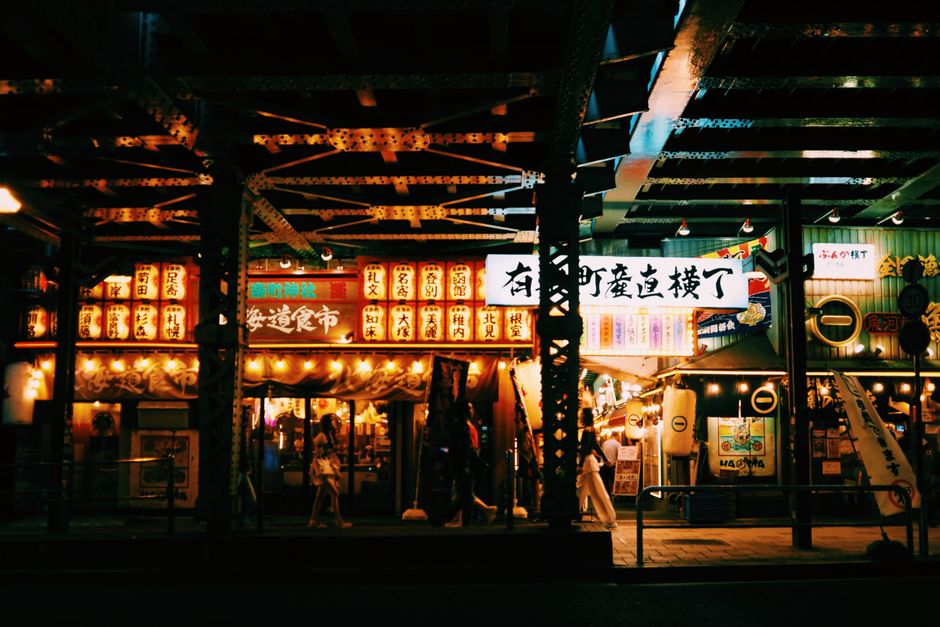
Tracing Tokyo’s Cultural Tapestry: A Look at the City’s Unique Scene through Time
From underground music to avant-garde theatre, Tokyo’s cultural landscape has evolved dramatically, reflecting its social pulse and urban development.
From underground music to avant-garde theatre, Tokyo’s cultural landscape has evolved dramatically, reflecting its social pulse and urban development.
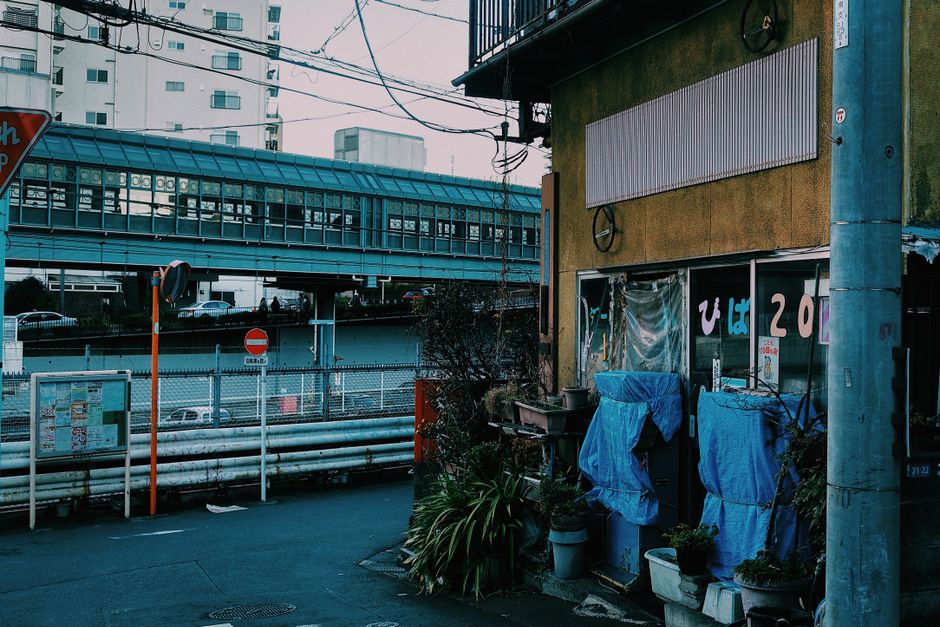
Tokyo’s cultural scene, celebrated for its vibrant and unique offerings, stands today as a mosaic shaped by decades of social change and artistic innovation. Emerging spaces like Shimokitazawa’s live houses and the revival of Ikebukuro’s theatre district highlight how the city continues to honor its cultural roots while adapting to new trends.
Understanding this evolution matters now as Tokyo enters a new phase of post-pandemic revival, with increased domestic tourism and renewed local interest in historical cultural sites. The interplay between preserving heritage and fostering innovation is influencing urban planning and artistic programming, offering residents and visitors distinctive ways to experience the city.
Shimokitazawa, known for its bohemian atmosphere since the 1970s, has long been a breeding ground for independent musicians and artists. Venues like Bear Pond Espresso, initially a café, have become informal gathering spots fostering a sense of community around art and music. Nearby, live houses such as Club Que continue to showcase emerging bands and experimental performances, a tradition dating back to the 1980s when Tokyo’s underground music scene began gaining traction.
Meanwhile, Ikebukuro has witnessed a cultural revival of its theatre district. The Tokyo Metropolitan Theatre, located near Ikebukuro Station, reopened after renovations in 2024. It serves as a hub for contemporary performing arts alongside the Sunshine Theatre, which has been instrumental since the 1970s in promoting avant-garde and experimental plays by local troupes. These venues are part of a broader movement to recapture the area’s 20th-century cultural vibrancy while pushing the boundaries of modern performance.
Recent data from the Tokyo Metropolitan Government indicates a 25% increase in attendance at cultural events in 2026 compared to 2023, signaling a strong recovery. Cultural tourism figures show that about 1.2 million visitors attended major live music and theatre events in central Tokyo during the first half of 2026. Ticket prices have also seen modest growth: a typical live house concert in Shimokitazawa commands roughly ¥3,000 per ticket, while theatre performances at the Tokyo Metropolitan Theatre range from ¥4,000 to ¥7,000. Public and private investment in cultural infrastructure has complemented this demand, with the government allocating ¥5 billion in the current fiscal year to support small venues and restore historical sites linked to Tokyo’s artistic history.
Looking forward, Tokyo’s cultural scene is poised to expand with initiatives like the "Cultural Heritage Meets Future Arts" program launching in September 2026, aimed at integrating traditional art forms with cutting-edge digital experiences. For visitors and locals alike, exploring neighbourhoods such as Shimokitazawa and Ikebukuro offers not only entertainment but a deep dive into the city’s layered cultural narrative. Monthly schedules for live houses and theatre troupes are available online, with many venues now offering bilingual guides to cater to international audiences.
How does this story make you feel?
Spread the word
About this article
Published by The Daily Tokyo
Daily brief
Free, in your inbox before 7am. Weekdays.
More in culture