Beyond the Tourist Trail: Your Complete Guide to Authentic Tokyo Experiences Right Now
Forget the observation decks and packed temple visits—here's where locals actually spend their time in July.
Forget the observation decks and packed temple visits—here's where locals actually spend their time in July.
Tokyo's summer heat hits different this year, and it's reshaping how the city's residents navigate their own neighbourhoods. While record temperatures are forcing Americans to cancel Fourth of July celebrations across the Atlantic, Tokyo's locals have adapted by shifting their cultural pursuits indoors and into the early mornings, creating an unexpected window for visitors willing to abandon the guidebook circuit.
The timing matters. July marks the transition into Obon season, when Tokyo's corporate offices empty and neighbourhoods reclaim their streets. For the next two weeks, the city feels less like a tourist destination and more like a living city—which is precisely when the most interesting things happen. The shift has created pockets of authentic experience that don't appear on Instagram.
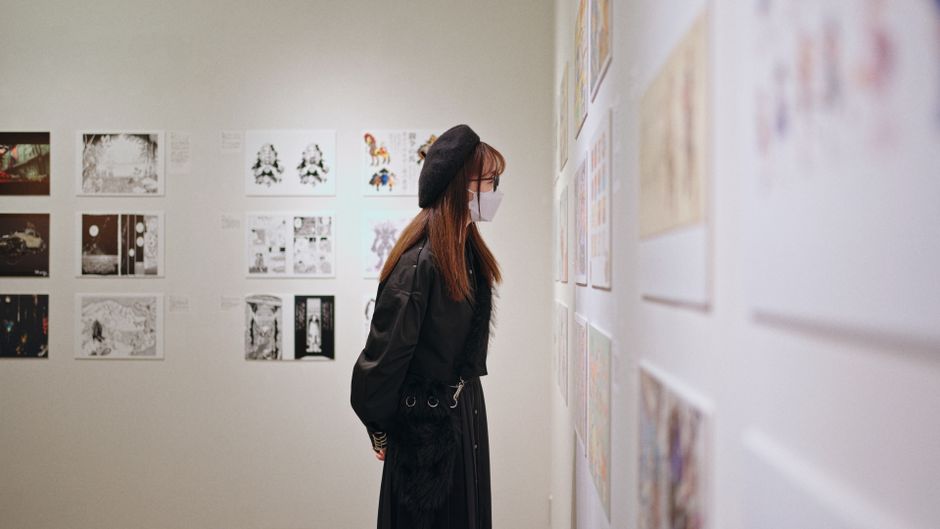
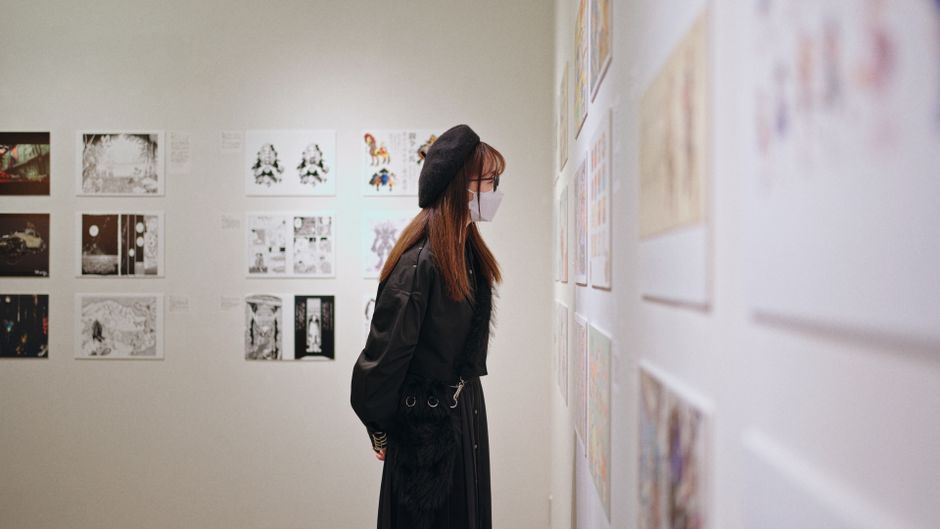
Start in Shimokitazawa, the bohemian pocket west of Shinjuku that's spent the last decade fending off gentrification. The neighbourhood's tiny theatre companies—like Setagaya Public Theatre's experimental arm housed in a converted warehouse on Hatagaya-dori—are using July's heat to drive audiences toward evening shows starting at 8 PM. These aren't mainstream productions. They're 90-minute avant-garde pieces in converted townhouses where the audience sits three feet from the stage. Ticket prices run ¥3,000 to ¥5,000 ($20 to $34), a fraction of the cost at mainstream venues.
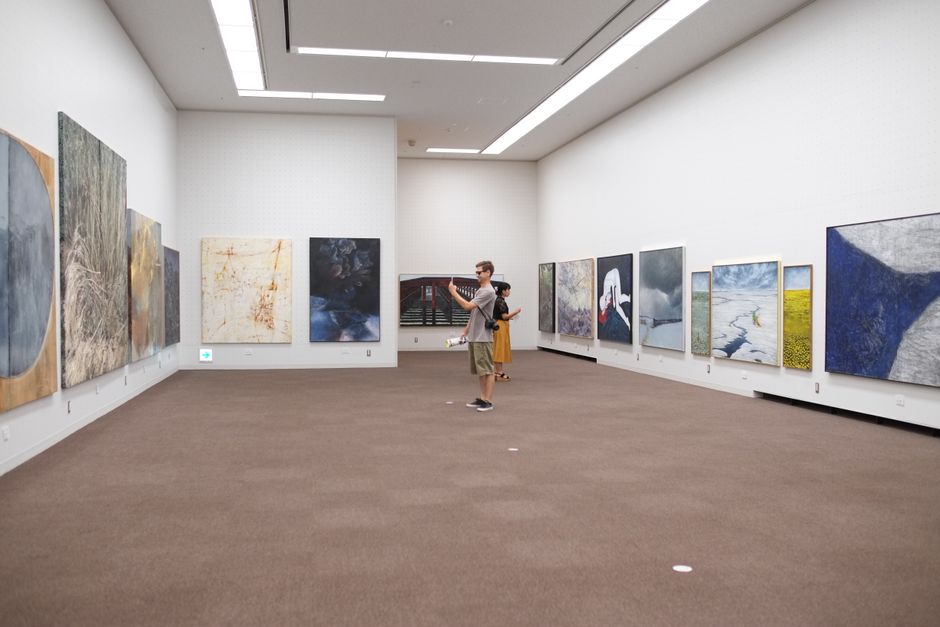
Twenty minutes south by train sits Meguro, where the old brewery district has transformed into a cluster of independent galleries and craft workshops. The Meguro River Walk, despite its name, isn't a tourist attraction—it's where people actually buy handmade ceramics and attend artist open studios on Saturday afternoons. Studios like Meguro Shomei, a collective of six ceramic workshops sharing one converted warehouse on the river's edge, offer walk-in sessions where you can throw clay for ¥2,500 per hour. No reservations needed. No crowds either, because most visitors stick to the mainstream shopping blocks four blocks north.
The real pulse is in Koenji, one train stop past Shimokitazawa on the Chiyoda Line. Every Sunday, Omotesando-dori transforms into a pedestrian mall where local bands perform from makeshift stages outside ramen shops and vintage clothing stores. It costs nothing to wander through. The energy is purely local—teenagers hawking self-released CDs, older musicians testing out new material, people browsing vinyl records in shops like Disk Union that have occupied the same storefront since 1995.
Tokyo's underground music and theatre scene moves ¥8 billion ($54 million) annually through independent venues, according to the Tokyo Metropolitan Government's 2025 cultural economy report. That's happening almost entirely in neighbourhoods like Shimokitazawa and Koenji, with zero tourist infrastructure. The average ticket price at independent theatres is ¥4,200, compared to ¥12,500 at Toho cinemas in Shinjuku. Attendance at independent venues peaks in July and August, when the heat drives people indoors and tourists thin out enough that locals reclaim their spaces.
Food markets tell the same story. Tsukiji Outer Market, the legitimate fish market on the east side near Toyosu, opens at 5 AM and winds down by 10 AM. Restaurants surrounding it serve breakfast sets for ¥1,200 to ¥2,000. Go at 6:30 AM and you'll eat alongside fishmongers and restaurant chefs sourcing their morning stock. By 11 AM, the place shuts down completely. No tourists arrive then because no guidebook mentions that time.
The practical move is simple: arrive early, move slowly through neighbourhood side streets rather than main thoroughfares, and prioritize the hours before 9 AM and after 7 PM when July's heat makes timing mandatory rather than optional. Book ahead for established independent theatres through their websites, but show up spontaneously at Koenji market or Meguro's studio district. That's where authentic Tokyo reveals itself—not because the city is trying to seem authentic, but because most visitors never bother showing up.
How does this story make you feel?
Spread the word
About this article
Published by The Daily Tokyo
Daily brief
Free, in your inbox before 7am. Weekdays.
More in culture