A Summer of Resilience: How Tokyo’s Festival Calendar is Defining the City’s Creative Identity
With neighborhood festivals shifting to survive record-breaking heat, Tokyo is rewriting the manual on urban communal traditions.
With neighborhood festivals shifting to survive record-breaking heat, Tokyo is rewriting the manual on urban communal traditions.
Tokyo’s traditional summer festival calendar is undergoing a radical reconstruction this July. As afternoon temperatures at the Otemachi weather station consistently top 35 degrees Celsius, organizers across the city have pushed major events into the cooler evening hours or transitioned to indoor, climate-controlled environments. This logistical shift is doing more than protecting residents from heatstroke; it is fundamentally altering the aesthetic and social character of Tokyo’s neighborhood identity.
The historic Furo-cho neighborhood in Yokohama and the backstreets of Shimokitazawa have become the new testing grounds for this creative pivot. Rather than relying on static, outdoor portable shrines, local collectives like the Shimokita Art Initiative are deploying interactive projection mapping and digital installations that function best under the cover of night. By moving the focus away from traditional daylight parades, these organizers have allowed younger artists to experiment with ambient lighting and immersive soundscapes that would be impossible to coordinate in the glare of a Japanese mid-afternoon sun.
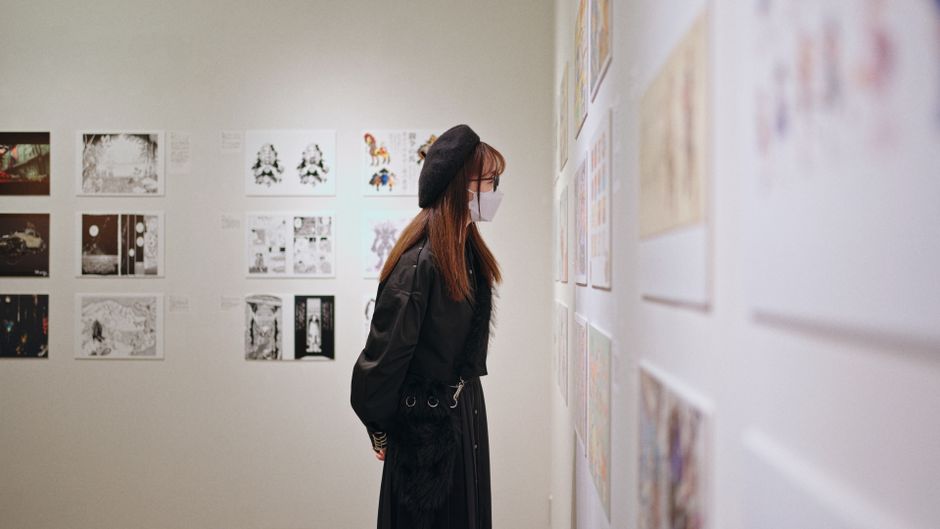
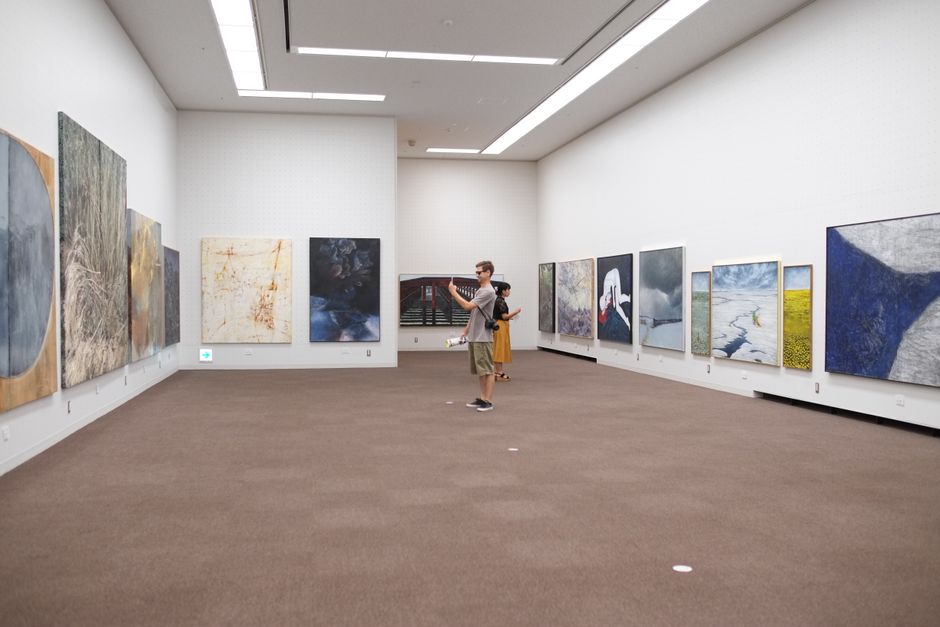
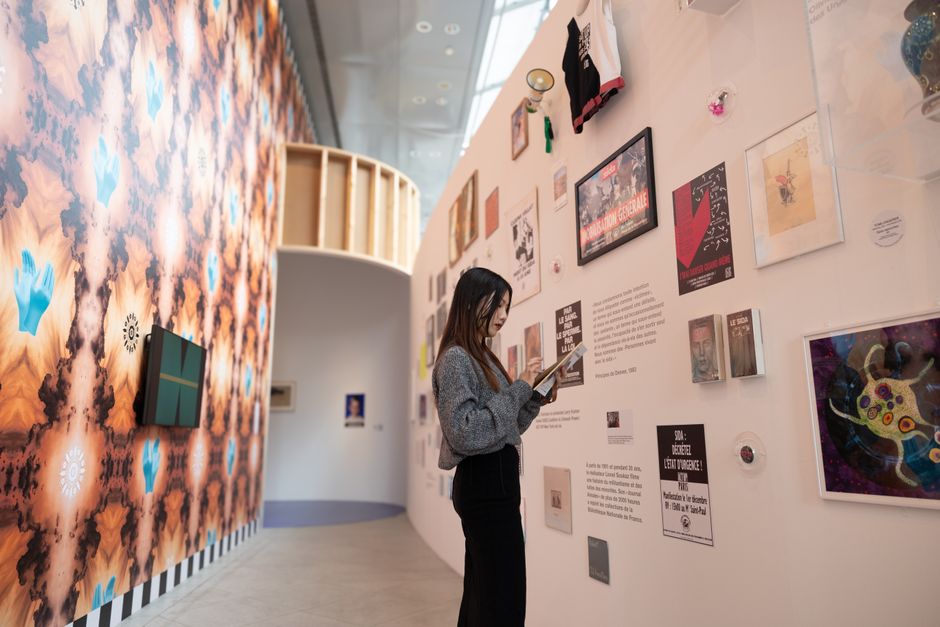
This evolution highlights a departure from the rigid adherence to centuries-old templates. Instead, the city is fostering a hybrid model of performance. At the Spiral Hall in Aoyama, curators are currently hosting a rotating exhibition that bridges the gap between historical craft and digital media. This shift ensures that local creative production remains relevant to a younger demographic that increasingly prioritizes comfort and accessibility without sacrificing the community cohesion these festivals provide.
The financial data suggests that this experimental approach is paying dividends for local vendors. According to recent reports from the Tokyo Chamber of Commerce and Industry, food stall revenue at evening-only festivals in the Minato and Shibuya wards has seen a 14% increase compared to daytime events held during the same period in 2024. The average spending per visitor has risen to approximately 4,200 yen, as longer, cooler evenings encourage extended stays. Retailers in venues like the Parco Shibuya complex are reporting record foot traffic after 7:00 PM, largely driven by the spillover from these reconfigured cultural programs.
These changes are not merely temporary adjustments to extreme weather. They represent a deliberate strategy to solidify Tokyo’s status as a year-round creative hub that refuses to shut down during the dog days of summer. Visitors hoping to experience the upcoming Sumida River Fireworks Festival on July 25th should prepare for a revised transit map; local authorities are coordinating with JR East to extend service hours on the Yamanote Line until 1:30 AM to accommodate the anticipated influx. If you are planning a visit, check the latest updates on the Tokyo Convention & Visitors Bureau website before heading out, as locations for mobile pop-up events are being shifted on 48-hour notices to account for real-time heat indexes.
How does this story make you feel?
Spread the word
About this article
Published by The Daily Tokyo
Daily brief
Free, in your inbox before 7am. Weekdays.
More in culture