Tokyo's Postwar Reinvention Shaped 75 Years of Creative Innovation
From rubble to global influence, Tokyo's cultural ecosystem draws strength from a 75-year tradition of rebuilding and innovation that defines how the city creates today.
From rubble to global influence, Tokyo's cultural ecosystem draws strength from a 75-year tradition of rebuilding and innovation that defines how the city creates today.
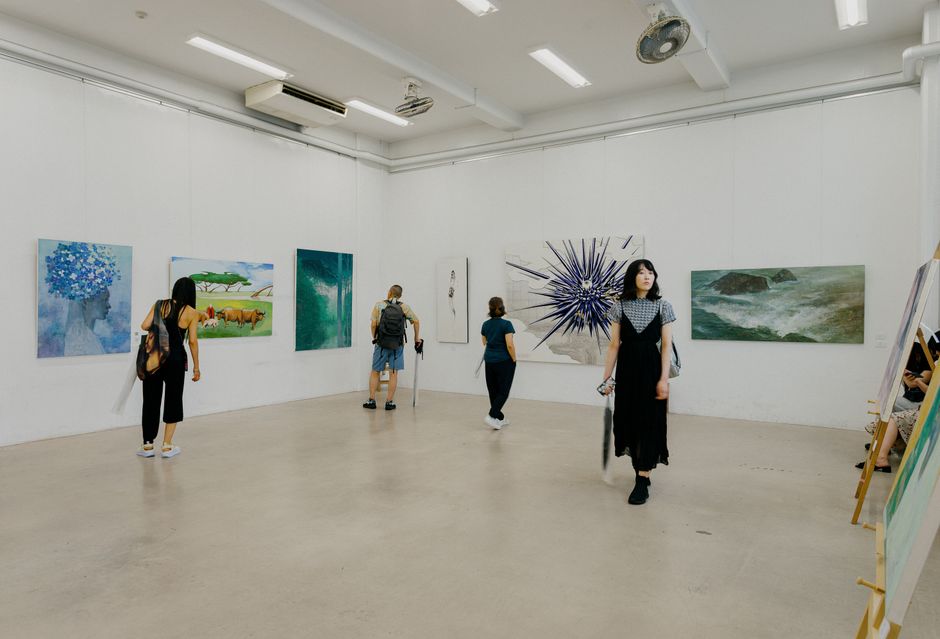
Tokyo's cultural identity rests on a paradox: the city spent the postwar decades absorbing influences from across the globe while simultaneously refusing to abandon its own traditions. That delicate balance, refined over three-quarters of a century, now defines how the city approaches everything from fashion to contemporary art to street food culture.
The question matters now because Tokyo faces pressure from rival creative hubs. Seoul's design sector has drawn major international investment. Berlin and Brooklyn have repositioned themselves as global cultural capitals. Meanwhile, Tokyo's own younger creators increasingly work between cities—splitting time between the Shibuya design studios and New York, or between Ginza galleries and London's art fairs. Understanding what keeps Tokyo distinct, and what younger generations value about their creative inheritance, reveals how the city maintains its cultural pull.
The postwar reconstruction wasn't just about rebuilding buildings. It was about cultural reconstruction. Tokyo's Meiji Shrine district, rebuilt after wartime firebombing, became a template for how the city could honor tradition while accommodating modernity. The shrine's forested grounds sit directly adjacent to Omotesando, the tree-lined boulevard that became Japan's answer to the Champs-Élysées. This geographical juxtaposition—sacred space next to commercial space, old next to new—became embedded in Tokyo's creative DNA.
That same pattern repeats across neighborhoods. Yanaka, a largely intact merchant quarter in northeast Tokyo dating to the Edo period, now hosts galleries like Scai The Bathhouse, a contemporary art space built inside a converted 1950s public bathhouse. Just blocks away, the upscale residential addresses command some of the highest rents in the city. In Asakusa, the Sensoji temple precinct draws 30 million visitors yearly, while nearby Taito ward has become a hub for independent fashion designers and vintage dealers who rent affordable storefronts in older wooden buildings the city has designated for cultural preservation.
The Tokyo Metropolitan Government's Traditional Crafts Promotion Center, located in Minato ward, explicitly documents this approach. Founded in 1974, it maintains records of 23 designated traditional crafts produced within Tokyo's borders—everything from indigo dyeing to wooden staircase carpentry. But the center's exhibits deliberately place these crafts alongside contemporary reinterpretations. A 2025 exhibition paired hand-woven silk textiles from weavers in Taito with digital textile designs by emerging creators.
The economics reveal the stakes. Tokyo's cultural and creative sector generated approximately 5.4 trillion yen in economic output in 2024, accounting for roughly 7 percent of the metropolitan region's GDP. That figure includes traditional crafts, design, music, film, and visual arts. Rental costs for studio and gallery space in Asakusa averaged 8,000-15,000 yen per square meter annually—roughly half what comparable spaces in Ginza command, which explains why younger artists cluster there.
Tourism data tells another story. The Japan National Tourism Organization reported that 27.8 million international visitors came to Japan in 2024, with Tokyo accounting for roughly 45 percent of stays. Unlike cities that monetize culture through a handful of marquee attractions, Tokyo's cultural economy distributes visitors across dozens of neighborhoods. The Ueno district's museum cluster—the Tokyo National Museum, the Museum of Western Art, the Japan Science Foundation—draws crowds, but so do independent galleries throughout Shimokitazawa, a bohemian quarter known for small theaters and vinyl record shops.
For those navigating Tokyo's creative scene, the practical reality is timing and geography. Major gallery openings cluster around Tokyo's First Friday events, particularly in the Ginza and Marunouchi districts. Art Fairs Tokyo, held annually in November, draws galleries from across Asia. But the deeper cultural experience unfolds in older neighborhoods where rents remain manageable: Yanaka for ceramics and traditional craft workshops, Shimokitazawa for independent theater, Asakusa for textile and design-focused spaces. The city's postwar commitment to preserving older districts while allowing them to change means these neighborhoods remain economically viable for cultural workers, not just heritage museums.
Tokyo's creative future depends on maintaining that balance—protecting the neighborhoods where postwar cultural innovation took root while making space for whatever comes next. The city has survived worse odds before.
How does this story make you feel?
Spread the word
About this article
Published by The Daily Tokyo
Daily brief
Free, in your inbox before 7am. Weekdays.
More in culture