Beyond the Neon: Why Tokyo’s Emerging Talent Voices Are the Next Wave to Watch
From the quiet alleyways of Shimokitazawa to the experimental stages of Shibuya, a new generation of creators is rewriting the city’s cultural blueprint.
From the quiet alleyways of Shimokitazawa to the experimental stages of Shibuya, a new generation of creators is rewriting the city’s cultural blueprint.
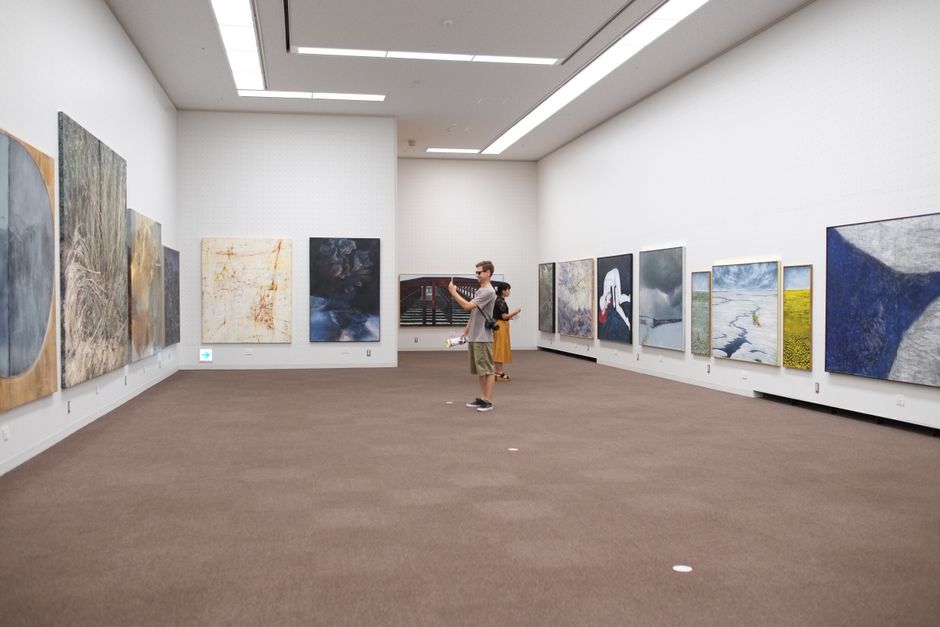
The center of Tokyo’s creative output has shifted away from the polished galleries of Roppongi and into the DIY, apartment-sized studios of the city’s western fringe. As of July 2026, a surge of under-25 artists, filmmakers, and independent curators is bypassing traditional industry gatekeepers, utilizing decentralized digital platforms to command audiences that rival established major-label acts.
This transition represents a fundamental change in how Tokyo consumes culture. For decades, the city’s reputation was built on institutional prestige and corporate-backed retail spaces. Today, the heat of the summer is matched by the intensity of these independent grassroots movements, which prioritize community-led social media campaigns over traditional billboards. Investors and scouts from the Ministry of Economy, Trade and Industry have started taking notice, as the 'creator economy' contributes an estimated 4.2 trillion yen annually to the capital's GDP.
In the cramped, smoke-filled rooms of 'Garden' in Shimokitazawa, young experimental musicians are testing sounds that reject the sanitized J-Pop aesthetic of the 2010s. This is the new laboratory. Similarly, the 24-hour collective space known as 'The Void' near Shibuya Stream has become the default headquarters for multimedia visual artists who use projection mapping to turn local train underpasses into immersive exhibition sites. These venues rarely charge a cover over 2,500 yen, making them the most accessible entry point to the city’s current cultural vanguard.
Statistics from the Tokyo Metropolitan Government indicate a 14% increase in new business registrations under the 'Creative Industries' category since early 2025. While national projects like the UK’s overseas education initiatives are facing cuts, Tokyo’s local micro-grants for independent art startups remain robust. Local programs, such as the Shibuya Cultural Promotion Initiative, have allocated 500 million yen to assist young artists in securing physical space, a move intended to prevent the gentrification-led exodus seen in cities like London or New York.
For those looking to catch the next wave, the calendar for late July is the best place to start. On July 20, the 'Undercurrent Festival' will take over a string of independent record stores stretching from Daikanyama to Nakameguro. Do not look for the headliners on major television networks; look for the QR codes pasted on telephone poles along Komazawa-dori. If you want to see the future of Japanese expression before it is picked up by global distributors, stop waiting for invitations and start walking the narrow side streets where the rent is low and the ambition is deafening.
How does this story make you feel?
Spread the word
About this article
Published by The Daily Tokyo
Daily brief
Free, in your inbox before 7am. Weekdays.
More in culture