Walk down Yanaka Ginza on a Saturday morning and you'll notice something has shifted. Where elderly shopkeepers once dozed behind counters stacked with miso and dried seaweed, young entrepreneurs now operate pop-up wellness studios and specialty coffee roasters. The neighbourhood's transformation isn't dramatic—there are no gleaming towers or corporate chains—but it's unmistakable, and it speaks to how Tokyo's leisure culture is fundamentally evolving.
Yanaka, nestled in Taito-ku and home to nearly 7,000 residents, has always been different. It escaped the firebombing of 1945, preserving 70 temples and a pre-war streetscape that feels authentically old Tokyo. But for decades, weekend tourists confined themselves to the sanitised heritage zones. That's changing. Recent data from Taito-ku's tourism board shows weekend foot traffic in Yanaka has increased 34% since 2023, driven largely by visitors seeking what they call "slow tourism."
The shift manifests in subtle ways. Yanaka Coffee, which opened on Yanaka Dori three years ago, now serves 180 customers daily—many working remotely for entire mornings. Nearby, the renovated Isomaki machiya (traditional wooden house) operates as both a tea pavilion and workshop space, hosting Saturday morning meditation sessions and indigo-dyeing classes. Prices reflect the neighbourhood's new demographic: a coffee costs ¥850, a two-hour textile workshop ¥4,500.
What's remarkable is how the old and new coexist without friction. Tanaka-ya, a ramshackle sweet shop run by the same family for 70 years, still draws queues for its mochi. But it now sits steps from Mononoke Books, a carefully curated used bookstore that attracts collectors from across the Kanto region. The Yanaka Ginza shopping street, which faced serious decline a decade ago, now boasts a 94% occupancy rate—reversing a decade-long trend of closures.
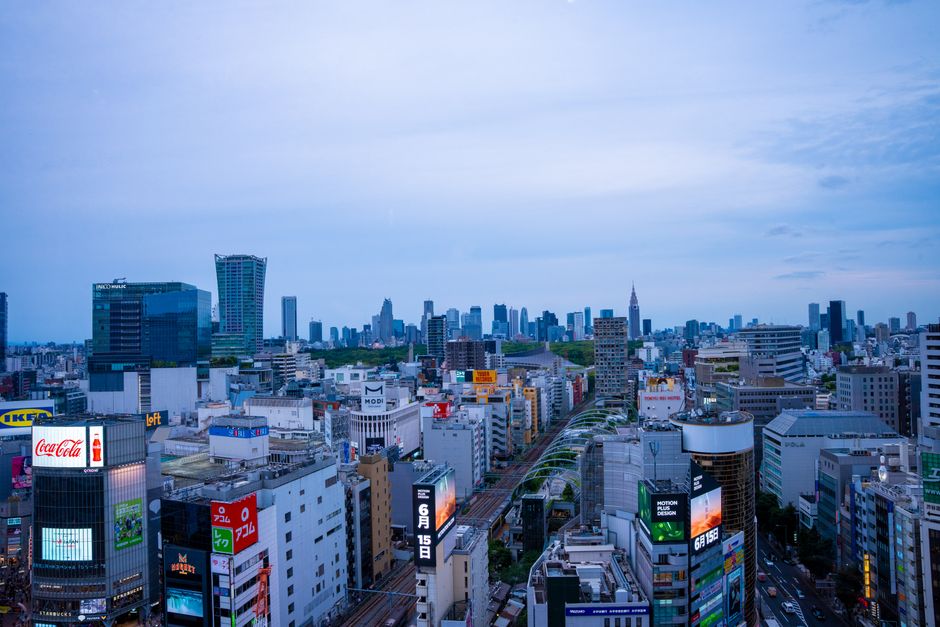
Local preservation societies attribute this to a generational reorientation. Pre-pandemic, Tokyo weekend leisure meant Shibuya crowds or Shinjuku shopping. Today, younger Tokyoites—and international visitors—increasingly seek experiences organised around craftsmanship, mindfulness and authenticity. Yanaka offers all three, without requiring investment from major developers.
Residents aren't entirely unified on these changes. Some worry that popularity will erode the neighbourhood's quietness, its primary appeal. Yet there's cautious optimism that Yanaka might model a sustainable form of urban renewal: one where heritage preservation and modern leisure coexist, where weekends mean something beyond consumption.
This article was compiled by AI from the sources linked above and screened before publishing. See our editorial standards.