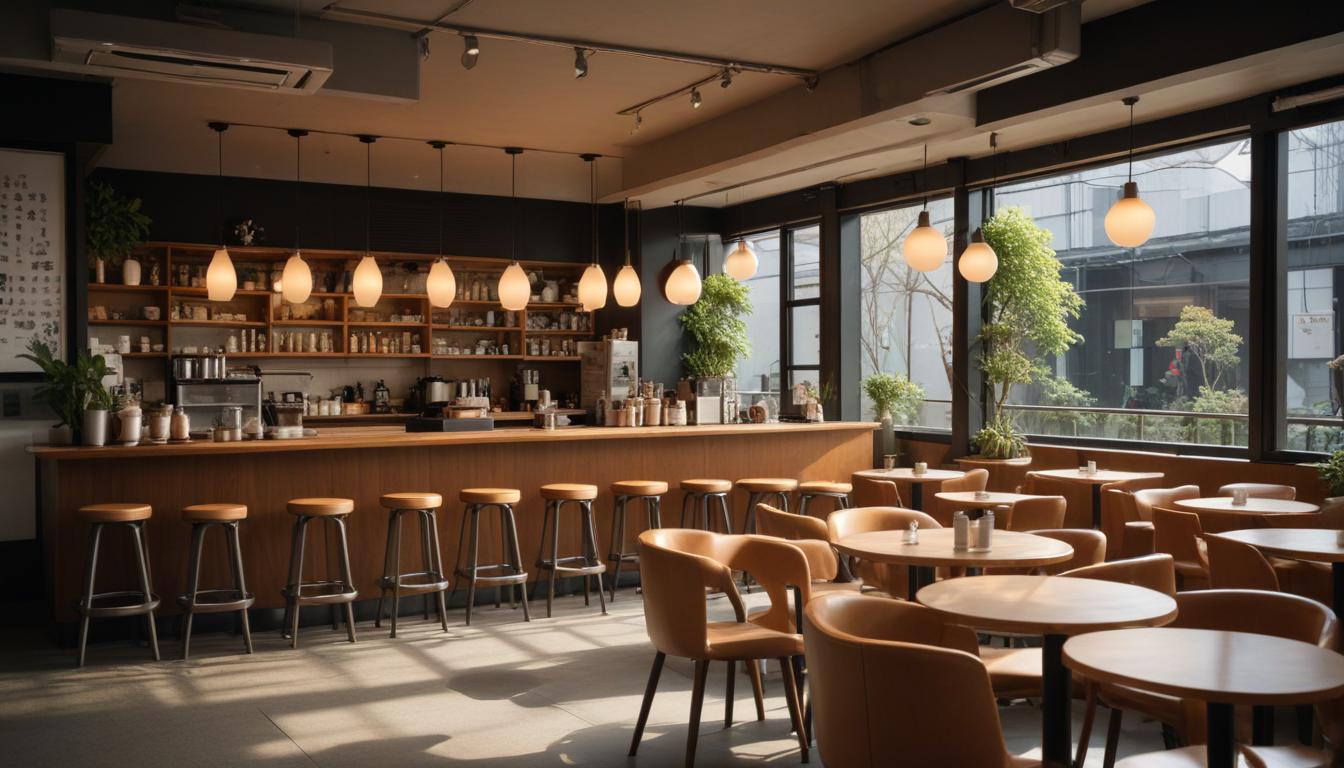
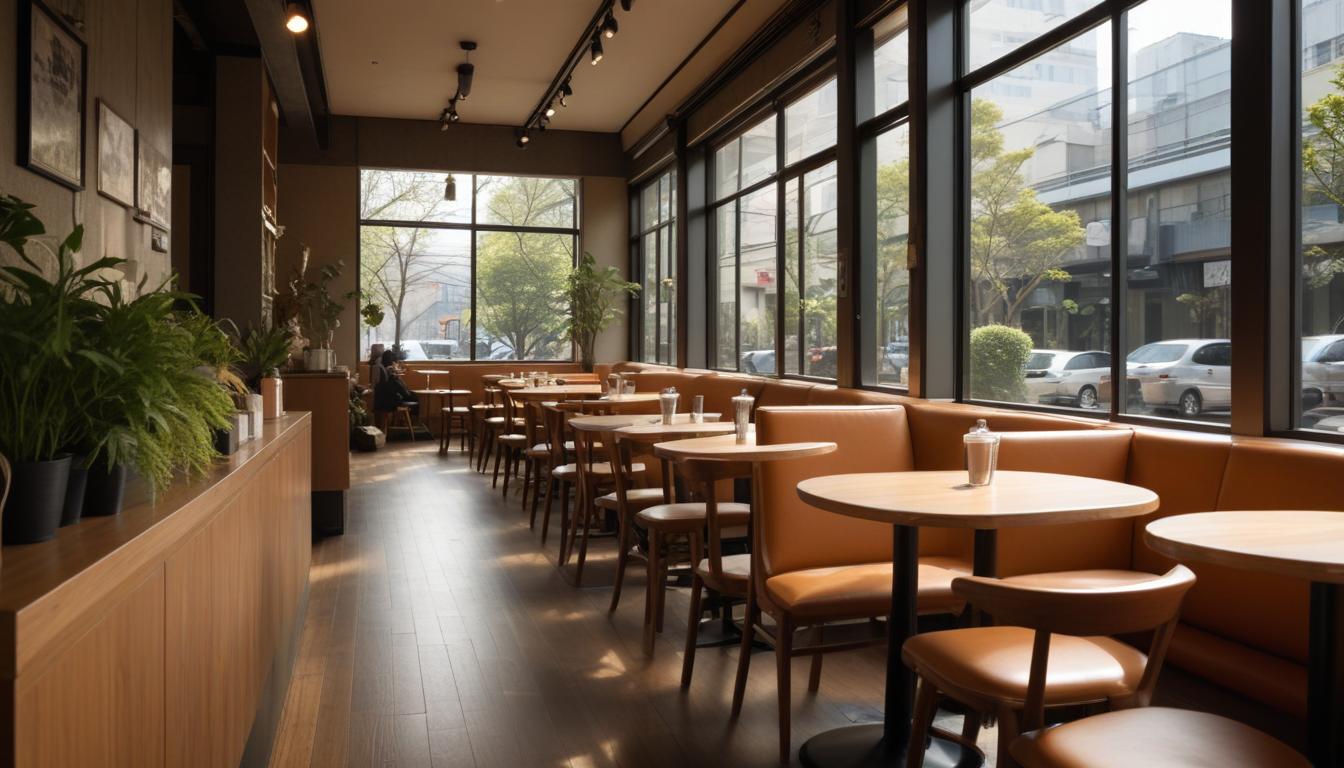
Walk down Ekimae-dori in Shimokitazawa on a Friday evening and you'll encounter something that seemed impossible five years ago: young families lingering over coffee, vintage shops hosting weekend markets, and a genuine sense of neighbourhood identity that doesn't feel manufactured for Instagram.
The transformation of this Setagaya ward pocket has been seismic. The completion of the railway undergrounding project in 2024—burying the Odakyu and Keio lines that once bisected the area—removed the physical and psychological barrier that had divided the neighbourhood since the 1960s. Property values in the surrounding blocks have risen 18-22 percent, according to local real estate data, but what's striking is who's moved in: not luxury developers, but independent bookshops, design studios, and family-run establishments.
"The difference is palpable," explains the Shimokitazawa Community Association, noting foot traffic has increased 34 percent since the undergrounding completion. The newly pedestrianised Shimokitazawa Ekimae area now hosts weekly farmers' markets featuring regional produce from Yamanashi and Nagano prefectures. Rent for a modest two-bedroom apartment averages ¥95,000-110,000 monthly—expensive by Tokyo standards, but justifiable for residents who now enjoy car-free streets and genuine green spaces.
The neighbourhood's creative sector has consolidated around three epicentres: the design-forward Shimokitazawa Produce area near the station; the emerging gallery cluster along Shonan-dori; and the established performance spaces like Theatre Cocoon and Suzunari Theatre, which have become anchor tenants for the community. Local venues report 40 percent more bookings from independent curators and emerging artists than in 2023.
What residents emphasise most is the return of intergenerational life. The Shimokitazawa Children's Library, reopened in expanded form in 2025, has become a genuine community hub rather than a utilitarian facility. Elderly long-time residents now encounter young parents in playgrounds that didn't exist two years ago. Housing cooperatives like Shimokita Cooperative House have pioneered affordable community models, maintaining affordability while preventing total gentrification.
The cautionary tale remains present—excessive commercialisation could yet hollow out the neighbourhood's character. Local groups actively monitor new developments, and planning restrictions have become stricter. But for now, Shimokitazawa represents a rare Tokyo outcome: a neighbourhood that has modernised infrastructure without sacrificing soul, proving that regeneration and community cohesion aren't mutually exclusive.
This article was compiled by AI from the sources linked above and screened before publishing. See our editorial standards.