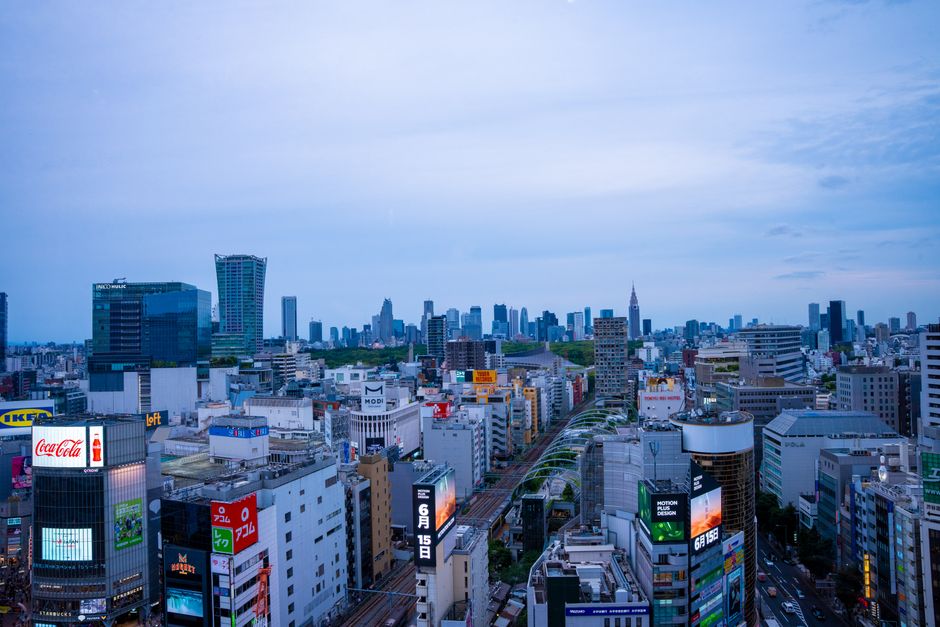
Walk down Suzuran-dori in Shimokitazawa on a Friday evening and you'll witness a neighbourhood caught between two identities. Vintage record shops sit alongside newly opened third-wave coffee roasters. A century-old izakaya shares a block with a co-working space. The tension isn't uncomfortable—it's generative, marking one of Tokyo's most watched urban transformations.
The neighbourhood's 2010-2015 redevelopment displaced theatres and knocked down wooden tenements that had defined the area since the 1960s, prompting fierce protests from the creative community. Today, those scars have mostly healed, but Shimokitazawa's evolution raises questions about what happens when bohemia becomes bourgeois.
The numbers tell a complex story. According to recent Setagaya ward data, the resident population under 40 has grown 18 percent since 2020, while average monthly rents have climbed from ¥65,000 for a compact one-bedroom in 2015 to ¥89,000 today. Yet artist collectives persist: the Himuro Building still houses practising musicians on its upper floors, and smaller performance venues continue operating at lower margins, subsidised partly by wealthier retail tenants below.
The real shift has been demographic. Where Shimokitazawa once attracted bohemians priced out of Harajuku, it now draws young families drawn by Setagaya ward's family support programmes and proximity to green spaces like Setagaya Kuritsu Park. The Shimokitazawa Crossroads shopping complex, reopened in 2019, brought chain retailers but also community facilities—a library, childcare centre, and event space that host neighbourhood workshops monthly.
Independent shop owners describe a generational handoff. Several legendary record shops have closed; others have found new owners willing to operate at lower profit margins. Conversely, Shimokitazawa's reputation as creative ground has attracted carefully curated new ventures: galleries focusing on emerging artists, boutique publishing houses, and studios for design collectives priced out of Aoyama.
The neighbourhood's challenge isn't gentrification's arrival—it's already here—but whether it can maintain creative infrastructure amid rising costs. The Shimokitazawa Performing Arts Complex, operated by the ward government, subsidises rehearsal space at ¥2,000 monthly for registered artists, a deliberate counterweight to market forces.
What's emerging isn't the bohemian quarter of legend, nor a sanitised commercial zone. Instead, Shimokitazawa is becoming something Tokyo increasingly exemplifies: a layered neighbourhood where multiple economies and lifestyles coexist, uneasily but authentically. That tension, paradoxically, may be its greatest asset.
This article was compiled by AI from the sources linked above and screened before publishing. See our editorial standards.