Navigating Tokyo's Family Life: A Practical Guide for Parents Ready to Embrace the City
From bilingual schooling in Azabu-Juban to weekend adventures in Ueno, here's how Tokyo residents can balance education, play, and parental sanity.
From bilingual schooling in Azabu-Juban to weekend adventures in Ueno, here's how Tokyo residents can balance education, play, and parental sanity.
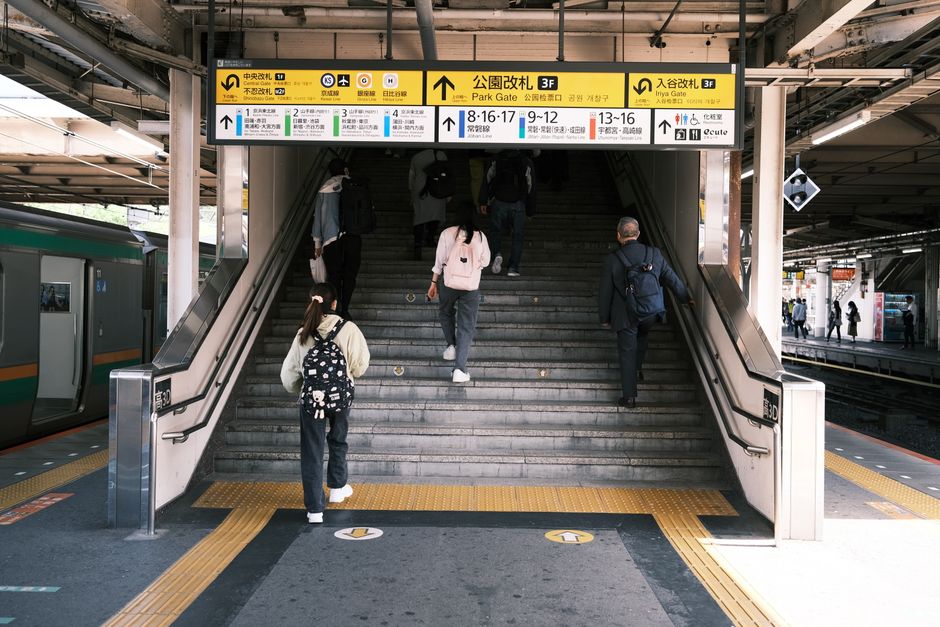
Raising children in Tokyo demands a different playbook than suburban Japan. The city's density, expense, and competitive education landscape can feel overwhelming—yet thousands of families thrive here by mastering practical rhythms that work within, not against, urban life.
School choice remains the primary decision point. International schools cluster around affluent wards: the American School in Minato (tuition roughly ¥3.2 million annually), Saint Mary's International in Shinjuku, and Japan's English-immersion Montessori programs attract expat and Japanese families seeking bilingual education. Public elementary schools in Chiyoda and Shibuya wards serve neighborhood children with strong academic reputations and lower costs. The admissions calendar—typically November through January—requires advance planning, especially for families relocating mid-year.
Beyond classrooms, Tokyo's parks become sanctuaries. Ueno Park, with its zoo, museum complex, and 50+ hectares of green space, offers rainy-day and sunny-day solutions. Rikugien in Bunkyo offers seasonal beauty without Ueno's summer crowds. Closer to residential areas, Aoyama Park near Omotesando provides playgrounds and running paths within walking distance of family-friendly cafés on Meiji-dori.
Practical logistics shape daily life. Convenience stores (konbini) are parenting infrastructure: many now offer affordable prepared meals, baby supplies, and even printing services for school forms. Supermarkets like Seijo Ishii in Minato cater to international dietary needs. The train system, despite its complexity, works for families: children under six ride free, and IC cards (Suica/Pasmo) simplify navigation.
Extracurriculars populate calendars in ways both enriching and expensive. Martial arts dojos operate in every neighborhood; swimming schools (suiei kyōshitsu) are ubiquitous. Art studios and music academies line Harajuku's Takeshita-dori vicinity. Weekly costs range from ¥5,000 to ¥15,000 per activity—manageable if selective.
Healthcare access is excellent: major hospitals in Minato and Shibuya have pediatric departments, though language barriers exist. Many clinics near schools employ English-speaking staff. Japan's universal health insurance significantly reduces costs compared to other global cities.
The hardest adjustment isn't logistics—it's cultural integration. Tokyo's parenting culture emphasizes independence early (children often walk to school alone by age six), yet academic pressure intensifies by middle school. Finding balance requires connecting with other families, whether through expat networks, neighborhood associations (chōnaikai), or school parent-teacher groups. Online communities focused on Tokyo parenting offer practical advice unavailable elsewhere.
Success here means accepting Tokyo's intensity while protecting family space. That might mean skipping juku (cram school) culture, prioritizing weekend nature trips, or celebrating unconventional schedules. Thousands of families do exactly this—and their children thrive.
This article was compiled by AI from the sources linked above and screened before publishing. See our editorial standards.
How does this story make you feel?
Spread the word
About this article
Published by The Daily Tokyo
Daily brief
Free, in your inbox before 7am. Weekdays.
More in lifestyle