Why Tokyo's Weekend Escapes Beat Every Other Global City
From mountain temples to coastal towns, Tokyo offers leisure experiences that no other metropolis can match—all within arm's reach.
From mountain temples to coastal towns, Tokyo offers leisure experiences that no other metropolis can match—all within arm's reach.
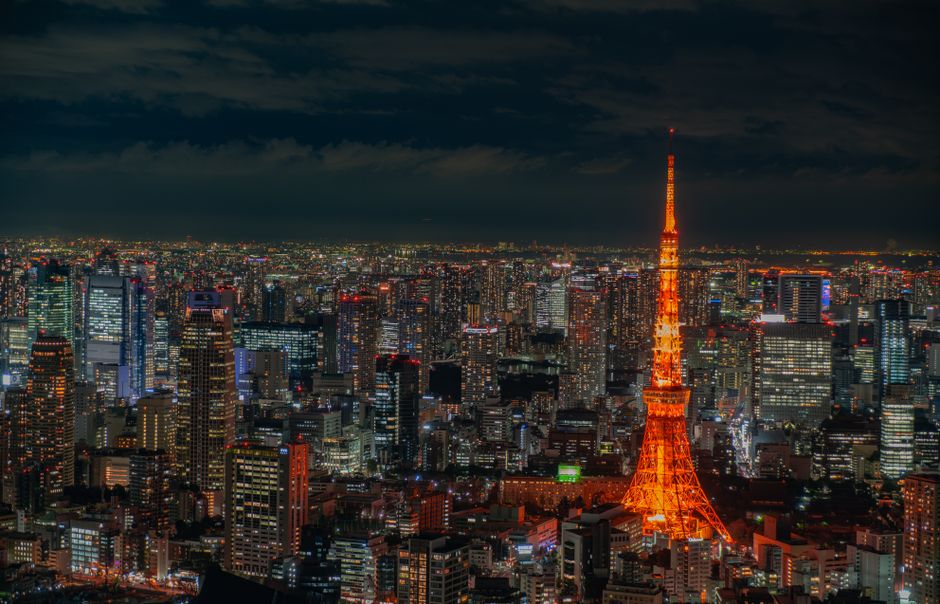
Compare Tokyo's weekend options to London, New York or Singapore, and you'll quickly understand why locals here enjoy an unmatched advantage: world-class leisure lies just 30 minutes to three hours away, seamlessly connected by some of the world's most efficient transport networks.
Take a Saturday morning. By 8:30am, you could be boarding the Odakyu Romance Car from Shinjuku Station—the departure point for nearly 3 million weekend travellers annually—heading to Hakone. Two hours later, you're hiking through primeval forest toward Lake Ashi, watching Mount Fuji emerge through the mist. New Yorkers must fly six hours to reach comparable alpine scenery; Londoners face similar distances to the Scottish Highlands. Tokyo residents simply step onto a train.
The mathematics of Tokyo's leisure geography are extraordinary. The Shonan-Shinjuku Line connects the city centre to Kamakura's ancient temples in just 50 minutes—a journey that costs around ¥1,500 (roughly $10). This medieval coastal town, home to the iconic Great Buddha and over 100 temples, offers a cultural reset that Barcelona or Rome might take three hours and €150 to replicate. Weekend visitor numbers to Kamakura routinely exceed 200,000, yet the infrastructure absorbs the flow without the congestion that paralyses other cities.
What truly distinguishes Tokyo is the *variety within proximity*. Sunday morning could find you at Tsukiji Outer Market sampling fresh sea urchin, then by afternoon you're in the Chichibu-Tama-Kai National Park, hiking through valleys that feel utterly removed from urban life—yet you're still within the Tokyo metropolitan area. San Francisco offers similar contrasts with Yosemite, but requiring four hours driving; here, the Seibu Railway reaches the park's gateway in under two hours from Ikebukuro.
The cultural specificity matters too. Tokyo's day-trip destinations aren't generic nature reserves or theme parks. Nikko's UNESCO-listed shrine complex, Izu's onsen villages, and the island temples of Enoshima each carry centuries of Japanese cultural significance. These aren't attractions bolted onto the landscape—they're integral to Tokyo's identity in a way that satellite leisure zones around other megacities simply aren't.
Pricing remains democratic. A round-trip to Hakone costs under ¥6,000; Kamakura under ¥3,000. Compare this to weekend escape costs from Hong Kong, Dubai or Sydney, where comparable distance journeys demand either expensive transport or limited options.
By Monday morning, Tokyo residents return refreshed—having visited a temple, soaked in hot springs, hiked mountains and eaten regional specialties, often for less than a cinema ticket costs in other capitals. That's the Tokyo weekend advantage no other global city can replicate.
This article was compiled by AI from the sources linked above and screened before publishing. See our editorial standards.
How does this story make you feel?
Spread the word
About this article
Published by The Daily Tokyo
Daily brief
Free, in your inbox before 7am. Weekdays.
More in lifestyle