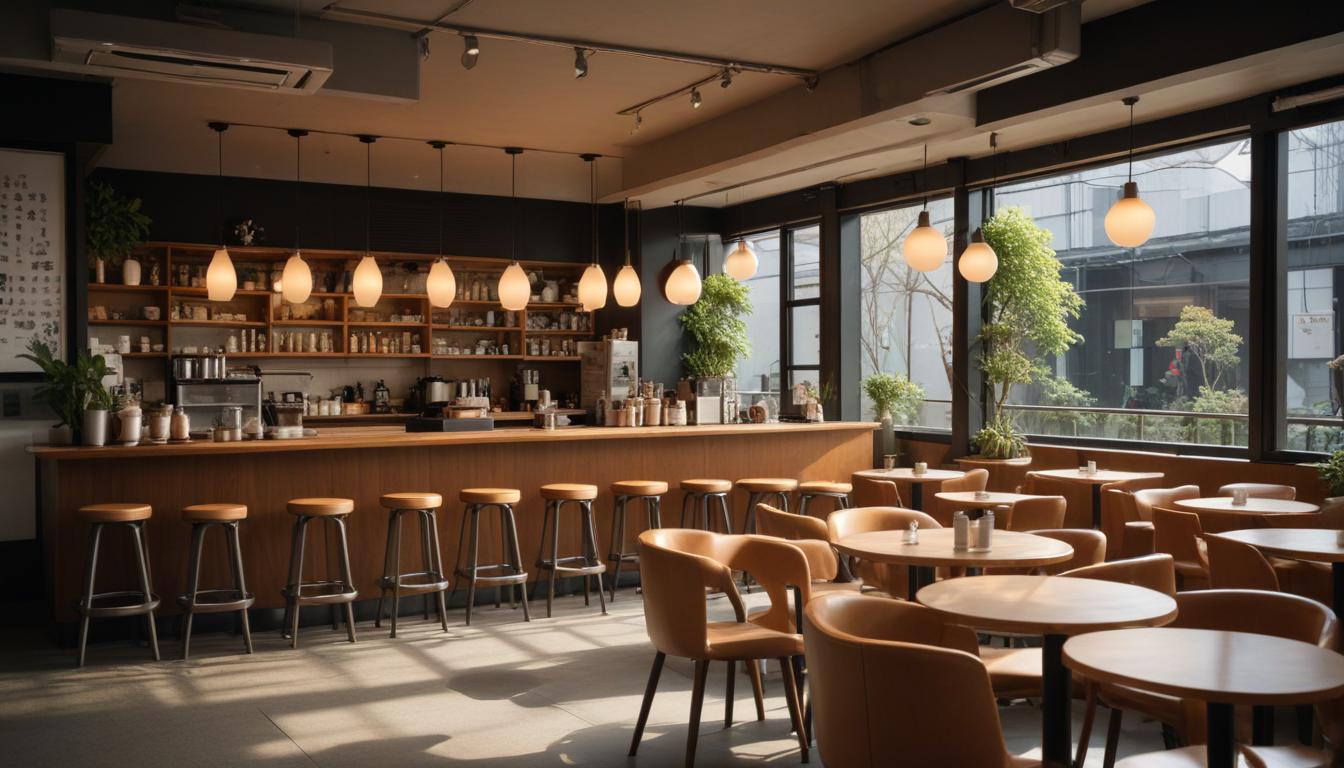
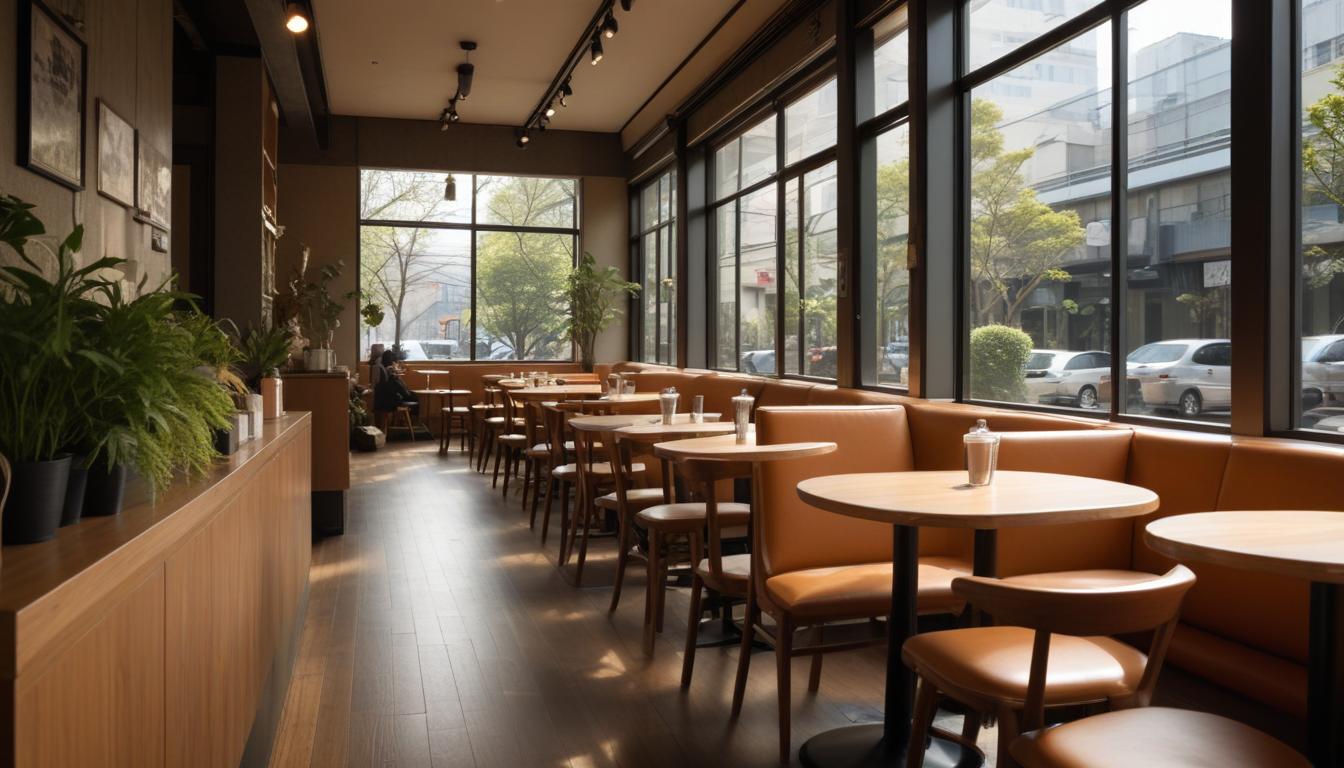
Walk down Shimokitazawa's narrow lanes on any Friday evening, and you'll witness a neighbourhood caught between two futures. The vintage clothing shops still cluster near Kitazawa-dori. The small theaters that defined this quarter for decades—places like The Actors Studio and Theaterguide—continue staging productions to standing-room crowds. Yet the ground floor of the old wooden apartment blocks are increasingly occupied by coffee roasteries and design studios rather than the anarchic live houses that once made this place legendary.
The transformation accelerated dramatically after 2019, when a controversial urban renewal project finally wrapped up. The plan, which had threatened to obliterate entire blocks, ultimately preserved more of the original streetscape than expected—though not without consequence. Commercial rents in the area have climbed approximately 30-40% over the past five years, according to local property data, pricing out some longtime proprietors while attracting a different breed of entrepreneur: younger creatives seeking alternatives to Shibuya's corporate polish.
The shift is most visible along the eastern side, toward Setagaya Ward. Where underground music venues once thrived in basement spaces, a new generation of independent businesses is taking root. Small publishing houses, design collectives, and artisanal food producers have moved in—not replacing the old culture so much as layering atop it. A 2025 survey by the Shimokitazawa Producers Council found that roughly 35% of storefronts opened in the past three years, with average startup capital requirements roughly 20% higher than pre-pandemic levels.
What's emerging is an uncomfortable question for urban Tokyo: can authenticity survive gentrification? The neighborhood's appeal has always stemmed from creative scrappiness—the kind that thrives on low rent and social tolerance. But that same appeal now attracts investors and landlords who see financial opportunity. Local organizations, including the Shimokitazawa Foundation, are actively working with property owners to maintain mixed-income tenancy and protect existing cultural institutions.
The picture remains genuinely mixed. Vintage shop owners report steady business. The theaters report stronger box office numbers than a decade ago. Yet conversations with long-term residents reveal a persistent anxiety: will Shimokitazawa ultimately become just another neighborhood, aesthetically preserved but culturally hollowed out?
The answer likely hinges on whether the community can actively shape change rather than simply react to it. For now, this pocket of Tokyo is a living experiment in whether a neighbourhood can evolve without erasure.
This article was compiled by AI from the sources linked above and screened before publishing. See our editorial standards.