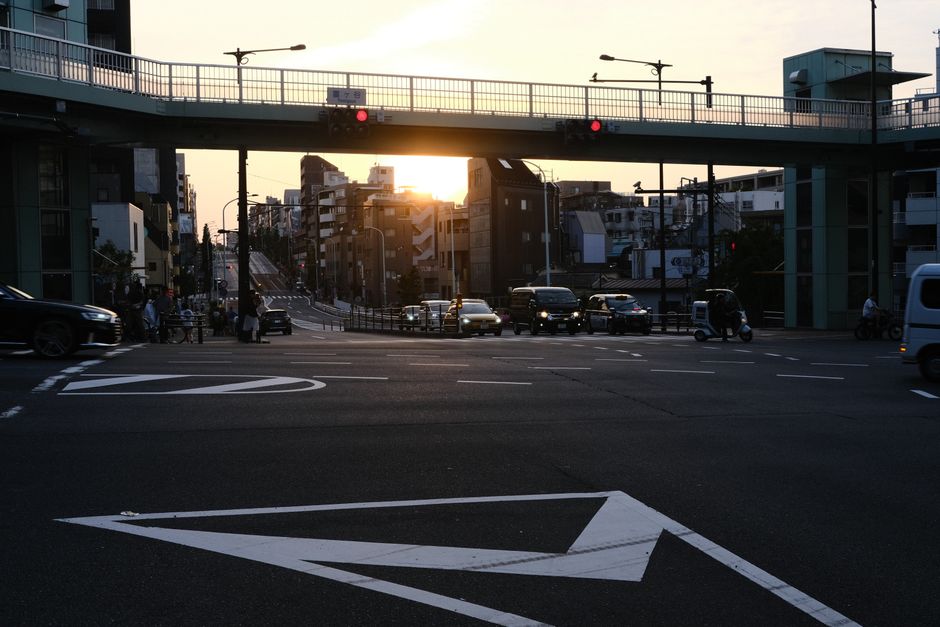
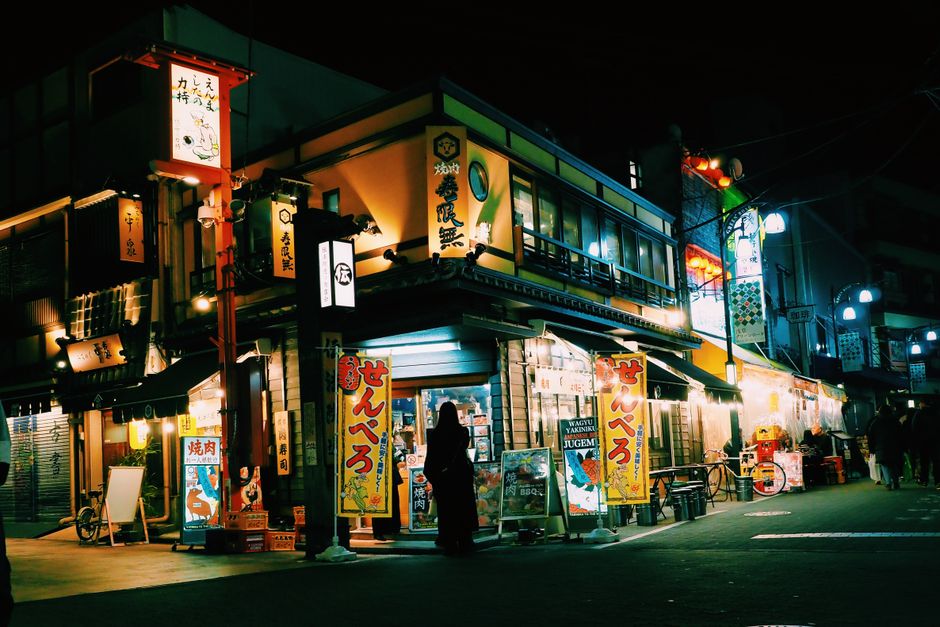
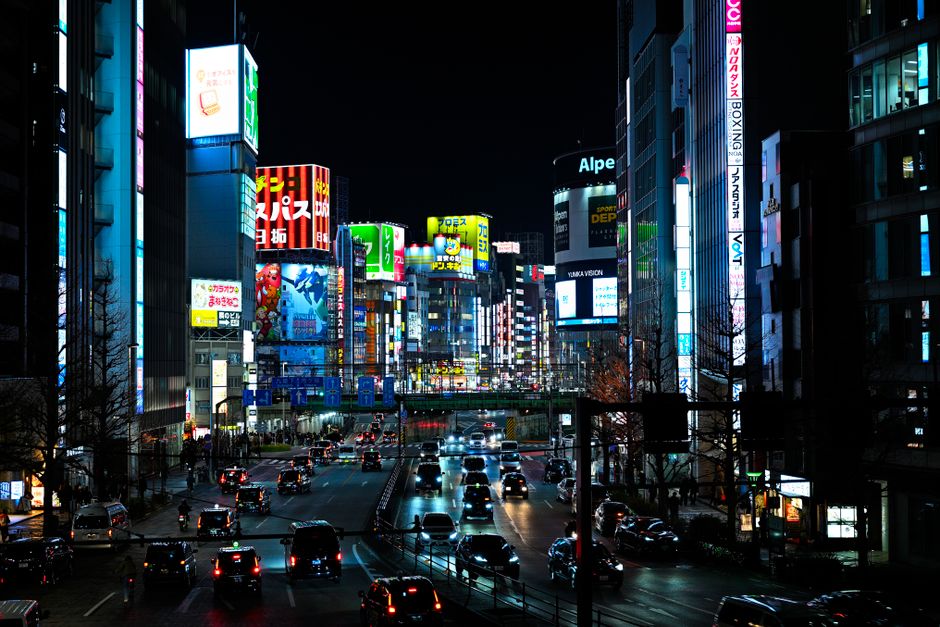
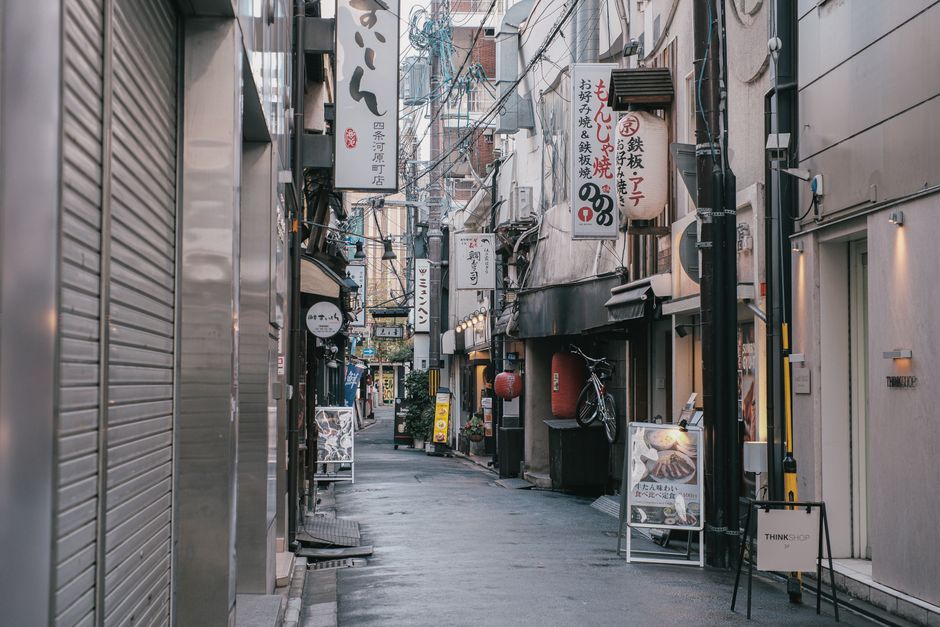
Walk across Shibuya Crossing on any weekday morning and you'll witness one of the world's most intense commuting rituals. But beneath the organised chaos of 2.5 million daily pedestrians, something fundamental is shifting. The neighbourhood that epitomises Tokyo's traditional train-dependent transit model is quietly embracing a more fragmented, choice-driven approach to getting around the city.
The transformation accelerated sharply last autumn when the Fukutoshin Line extension finally completed its long-delayed connection through Shibuya Station. What seemed like a routine infrastructure upgrade has quietly redrawn commuting patterns across central Tokyo. Travel times from Shibuya to areas like Kasuga and Ikebukuro dropped by 15-20 minutes for thousands of daily commuters, prompting a subtle but measurable shift in where people choose to live and work.
But perhaps more visibly, Shibuya's streets themselves are changing. The neighbourhood has become a proving ground for last-mile transport solutions that were virtually absent five years ago. E-bike sharing stations now dot Meiji-dori and Omotesando, while dedicated micro-mobility lanes—controversial when first introduced—have become normalised. Monthly e-bike rentals in Shibuya have grown 340% since 2023, according to rental operators, as commuters reject the either-or choice between train and personal transport.
The economics tell a revealing story. A monthly commuter pass on Tokyo's rail network costs around ¥10,000-15,000. An e-bike membership, by comparison, runs ¥3,000-5,000, making it an attractive first-mile or last-mile supplement rather than a replacement. Convenience stores along Dogenzaka and Center-gai have adapted accordingly, installing secure locker systems where commuters can store helmets and bags mid-journey.
What's particularly striking is how this evolution reflects broader generational attitudes. Younger workers cycling from residential areas in Harajuku or Ebisu to offices in Shibuya cite flexibility and cost-savings, while older commuters remain firmly wedded to the predictability of the Yamanote Line loop. The result is a neighbourhood where transport choices have genuinely diversified for the first time in decades.
Tokyo's transport identity has long been defined by train efficiency and pedestrian ubiquity. Shibuya's quiet revolution suggests that identity is broadening—not abandoning the fundamentals, but making room for alternatives that suit different rhythms and preferences. For a city that prides itself on systematic perfection, embracing messy choice represents genuine evolution.
This article was compiled by AI and screened before publishing. See our editorial standards.