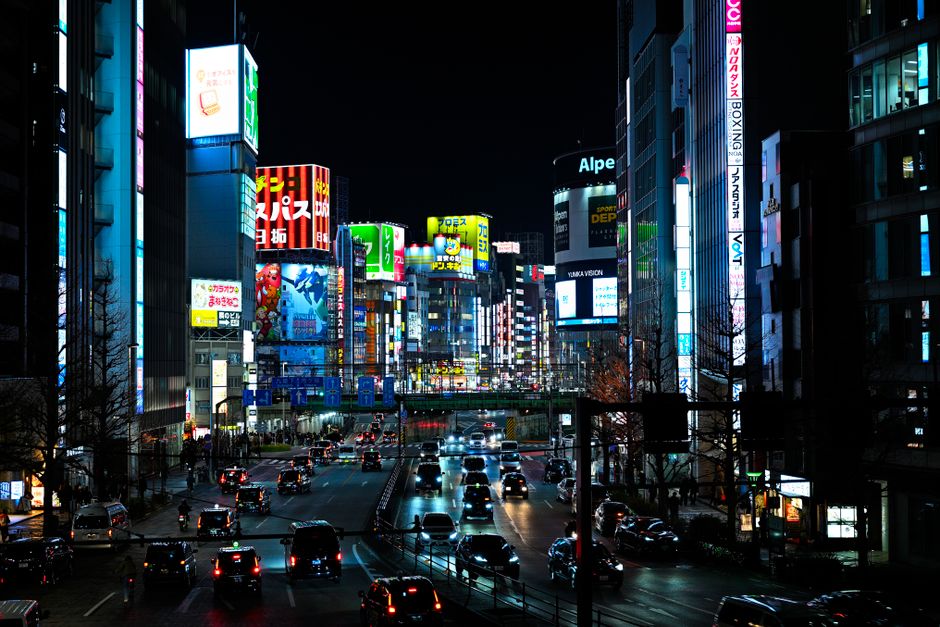
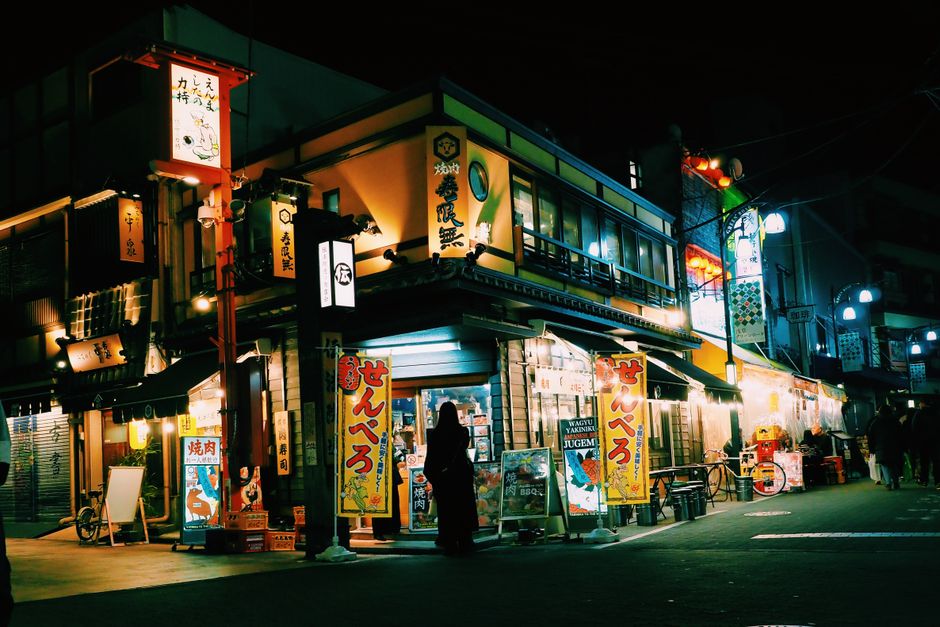
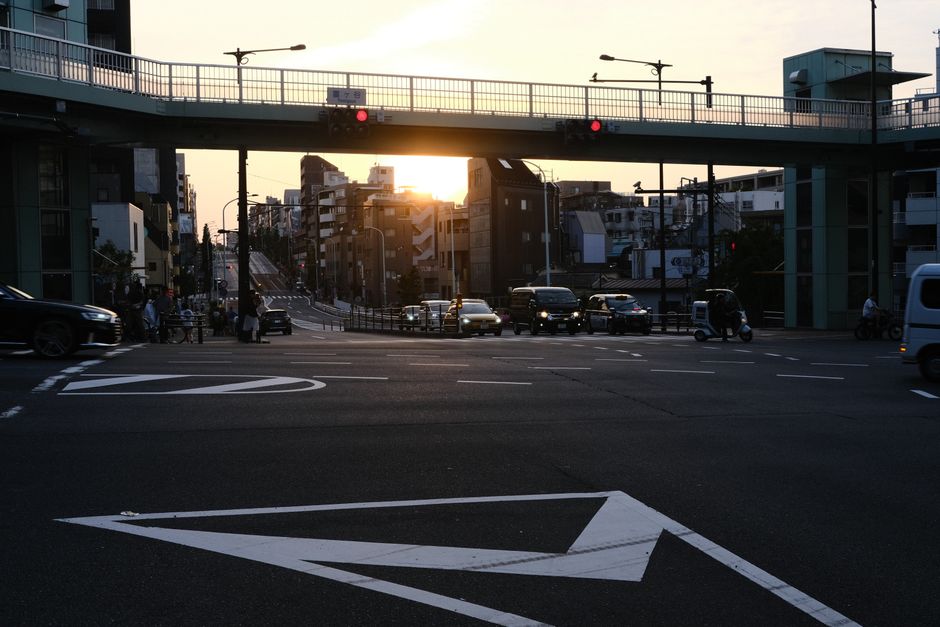
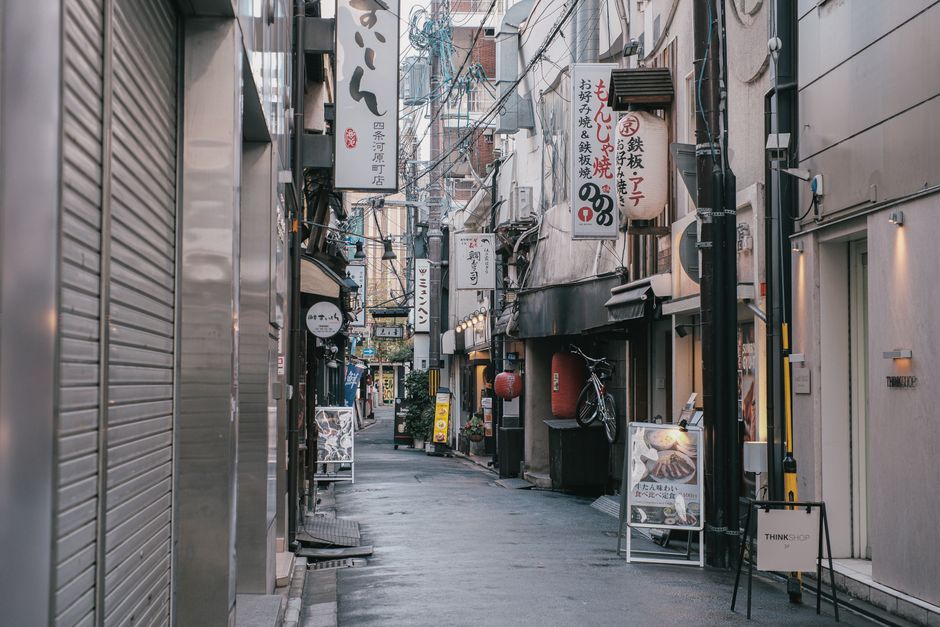
Raising a family in Tokyo requires a delicate choreography—juggling entrance exam preparation with Saturday morning playdates, navigating dense residential streets to reach quality schools, and finding breathing room in one of the world's most densely populated cities. But for parents willing to embrace the city's rhythms, Tokyo offers a uniquely rewarding lifestyle that blends rigorous education with genuine urban adventure.
The school landscape here is more complex than many expect. Tokyo's public elementary schools serve designated ward districts, meaning your neighbourhood choice directly impacts which school your child attends. Minato Ward's Mita and Azabu areas attract families seeking strong academic reputations and proximity to international networks, while Setagaya Ward's quieter pockets like Tamazawa offer similar schooling standards with more residential calm. Private school entrance exams typically occur in autumn, with tuition ranging from ¥600,000 to ¥1.2 million annually—a significant commitment that requires early planning.
The good news? Tokyo's geography naturally compartmentalises family life into explorable zones. Roppongi Hills and Midtown offer family-oriented facilities alongside museums and parks, while the Odaiba waterfront combines educational attractions like the National Museum of Emerging Science with genuine weekend leisure space. Shibuya's Yoyogi Park remains essential for weekend decompression, hosting seasonal festivals and open green space that feels almost defiant in central Tokyo's density.
Practical logistics matter tremendously. The JR Yamanote loop and Tokyo Metro mean most families can reach schools and attractions within 30 minutes. Neighbourhood associations (chonaikai) often organise school-based community events, providing both social connection and practical information about local life. Many wards offer subsidised childcare—Tokyo Metropolitan Government provides up to ¥100,000 monthly support for eligible families—making dual-income family life increasingly sustainable.
Consider also the hidden gems: Seijoh Gakuen in Setagaya operates excellent international-curriculum programs for families planning eventual relocation. The Ota Ward Art Museum and nearby Kamata area attract fewer tourists, offering authentic neighbourhood exploration alongside cultural engagement. Weekend markets in Tsukiji Outer Garden and farmer's markets in various ward locations connect families with Tokyo's seasonal rhythms in ways that shopping malls cannot.
Success here means accepting that Tokyo parenting isn't about replicating suburban childhoods elsewhere. Instead, leverage the city's density—shorter distances between quality schools, museums, and natural spaces mean more time actually exploring rather than commuting. Build your family's Tokyo by anchoring in a neighbourhood that resonates, then systematically exploring surrounding areas. The city reveals itself gradually to families patient enough to invest.
This article was compiled by AI and screened before publishing. See our editorial standards.