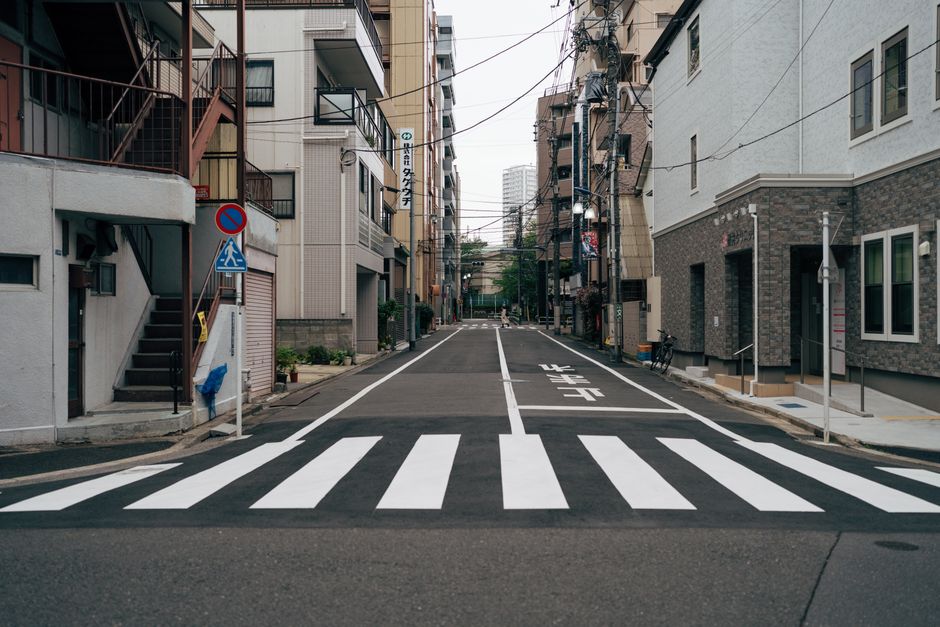
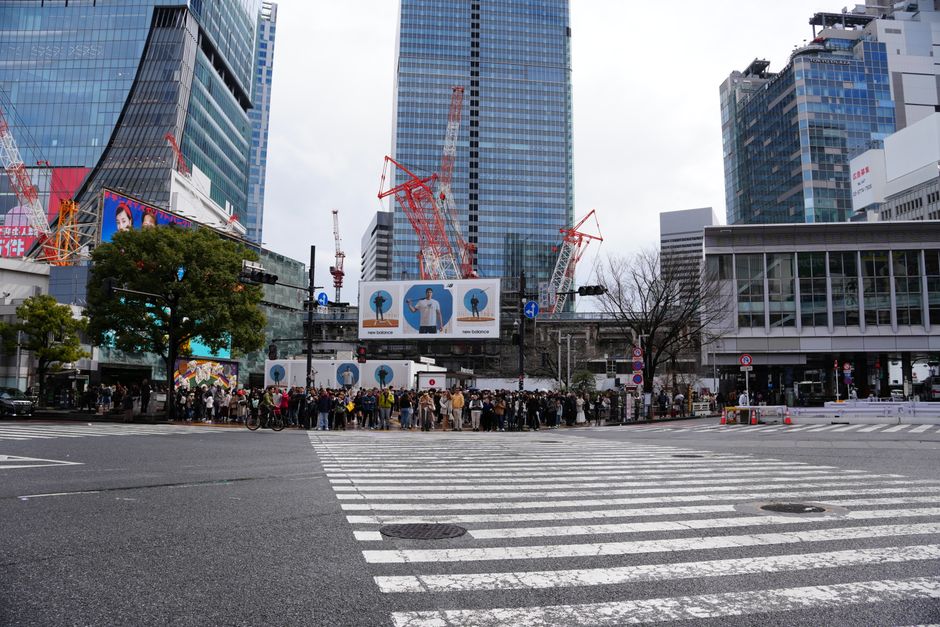
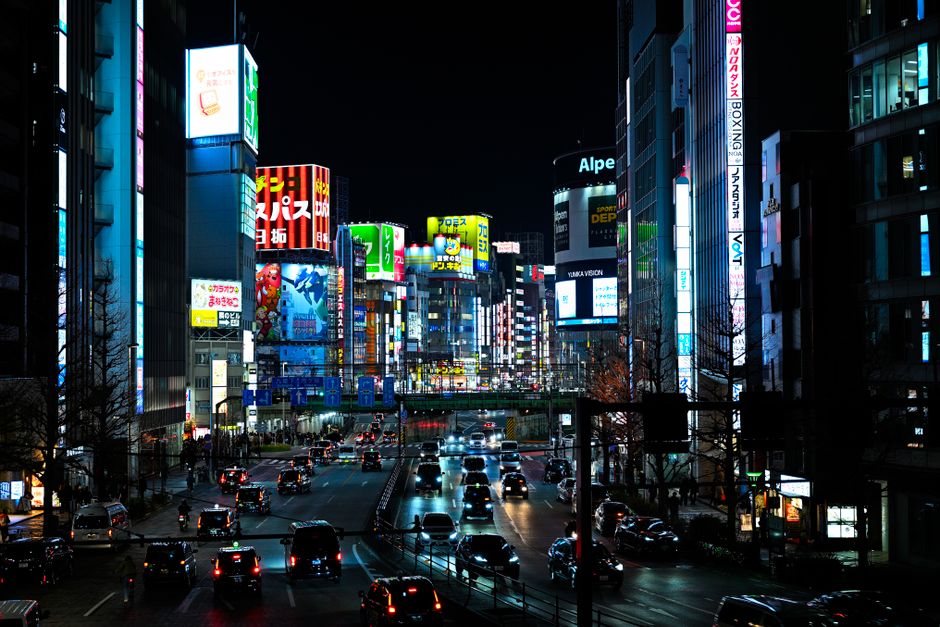
Walking through Shibuya on a Saturday morning, you might notice something different: fewer delivery trucks clogging the narrow streets near Omotesandō Station. This isn't coincidence. Tokyo's bold sustainability initiatives, once viewed as distant policy goals, are now reshaping how millions of residents move, shop, and live.
The transformation is most visible in Minato Ward, where the metropolitan government launched its "Zero Emission District" pilot programme last year. Local businesses—from the ramen shops near Azabu-Juban to family-run ryokans in Akasaka—have shifted to renewable energy sources. For residents, this means lower electricity costs passed on by participating establishments, with some shops reporting 15-20% reductions in utility bills.
But the impact extends deeper into Tokyo's fabric. Community gardens have sprouted across Setagaya and Chiyoda wards, with over 450 micro-farms now operating on unused rooftops and vacant lots. The Yotsuya Community Garden, established two years ago, now provides fresh produce to residents at prices 30% below supermarket rates while creating social connections that had frayed in Tokyo's often isolating urban landscape.
Public transportation, already exceptional in Tokyo, has accelerated its green agenda. The Toei Subway operates 78% of its fleet on renewable energy—a number that's ticked upward steadily since 2023. For commuters on the Asakusa Line heading towards central Tokyo, the environmental mathematics translate to something tangible: saving approximately ¥8,000 annually compared to car ownership, without sacrificing speed or convenience.
The real test, however, involves waste management. Taito Ward's strict recycling programme, once perceived as bureaucratic burden, has cut household waste by 35% while creating 180 new jobs in sorting and processing facilities. Residents initially balked at the complexity; today, most recognize it as essential.
Perhaps most significantly, Tokyo's sustainability push is reshaping property values and neighbourhood character. Green-certified apartments in Shibuya and Shinjuku command premiums, but they're also more affordable to operate. Young families in Koenji report lower heating and cooling costs, while improved air quality—measured at monitoring stations throughout the city—has documented health benefits, particularly for children and elderly residents.
As Japan faces demographic decline and fiscal constraints, Tokyo's environmental initiatives aren't just about climate responsibility. They're about making the world's largest metropolitan area more liveable, affordable, and connected. For residents navigating Tokyo's crowded streets, that distinction matters enormously.
This article was compiled by AI from the sources linked above and screened before publishing. See our editorial standards.