From Choking Streets to Green Districts: How Tokyo Built Its Way to Sustainability
Decades of pollution crises and urban overcrowding forced Japan's capital to pioneer environmental reforms that now serve as a global blueprint.
Decades of pollution crises and urban overcrowding forced Japan's capital to pioneer environmental reforms that now serve as a global blueprint.
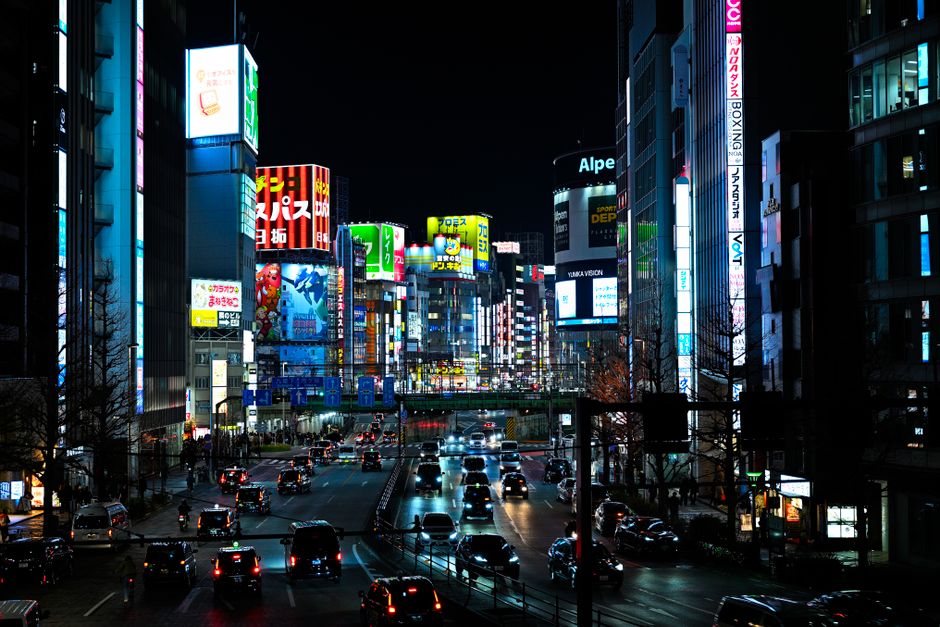
Tokyo's transformation into one of the world's most sustainable megacities did not happen by accident. It emerged from necessity, born out of the choking smog that once plagued Chiyoda Ward and the mounting waste crisis of the 1980s and 1990s.
The turning point came in the early 2000s, when residents and city planners confronted an uncomfortable reality: Tokyo's air quality ranked among the worst in developed nations, with particulate matter concentrations exceeding WHO guidelines by 40 percent. The Sumida River, which winds through Asakusa and Taito, had become so polluted that local fishermen abandoned their livelihoods. Schools in Minato Ward reported unprecedented rates of childhood respiratory issues.
"We had a choice," explains the archival record of Tokyo Metropolitan Government's 2003 Environmental Strategy Report. "Continue as we were, or reimagine the city entirely."
The response was methodical and comprehensive. The metropolitan government introduced the Tokyo Cap-and-Trade System in 2010, requiring large facilities to reduce CO2 emissions by 6-8 percent. By 2020, covered facilities had collectively cut emissions by 27 percent. Simultaneously, the introduction of congestion pricing in central business districts—particularly around Ginza and Marunouchi—reduced vehicle traffic by 18 percent and encouraged a shift toward public transportation.
The results became visible within years. Odaiba's waterfront, once an industrial wasteland, was reimagined as a green recreation hub with renewable energy installations. Ueno Park expanded its tree canopy by 22 percent. Shibuya implemented strict waste separation protocols that achieved 65 percent recycling rates by 2022, compared to the national average of 52 percent.
Perhaps most significantly, Tokyo's waste management revolution transformed how the entire nation approached garbage. The three-category separation system—burnable, non-burnable, and recyclables—now deployed across Tokyo's 23 wards, became the template for nationwide adoption. Residents pay between ¥300-¥800 monthly for waste collection, with pricing incentives rewarding lower-volume households.
Today, Tokyo's renewable energy consumption stands at 16 percent, with solar panels increasingly visible on rooftops from Shinjuku to Koto Ward. The metropolitan government has committed to achieving carbon neutrality by 2050.
The journey was neither painless nor swift. But Tokyo's environmental initiatives demonstrate that even the world's most densely populated cities can pivot toward sustainability when institutional pressure, citizen demand, and scientific evidence align. The question now facing other global megacities is no longer whether transformation is possible—but whether they can move as decisively as Tokyo once did.
This article was compiled by AI from the sources linked above and screened before publishing. See our editorial standards.
How does this story make you feel?
Spread the word
About this article
Published by The Daily Tokyo
Daily brief
Free, in your inbox before 7am. Weekdays.
More in News