Tokyo's transport infrastructure faces a critical inflection point. With the Metropolitan Expressway system now over 50 years old in places and commuter volumes continuing to surge across lines like the Yamanote Loop, city planners and transit officials are locked in serious discussions about what comes next.
The Tokyo Metropolitan Government has positioned the next five years as decisive. Officials at the Bureau of Transportation emphasized in recent policy briefings that the Chiyoda Line extension toward Adachi Ward and proposed improvements to the Oedo Line represent the most ambitious coordinated expansion since the 2020 Olympics infrastructure push. The projected budget allocation of ¥890 billion through 2031 reflects the scale of ambition, though critics note this represents a marginal increase from previous cycles.
Dr. Hiroshi Tanaka, senior researcher at the Institute for Urban Transport Studies, has been vocal about prioritizing last-mile connectivity in outer wards like Edogawa and Katsushika. "The current system efficiently moves people between central business districts," he noted in recent conference remarks, "but residents in peripheral neighborhoods face 40-minute commutes that could be halved with targeted investments." His research suggests that completing the proposed Nagareyama-Kashiwa connector could reduce travel times by an average of 18 minutes daily for approximately 380,000 commuters.
The private rail operators—East Japan Railway Company and Tokyo Metro—have struck a cautious tone. While acknowledging infrastructure necessity, both have flagged concerns about passenger revenue recovery post-pandemic. Tokyo Metro's operating reports indicate ridership on lines like the Fukutoshin and Marunouchi remains approximately 8-12 percent below 2019 levels on weekdays, complicating expansion financing models.
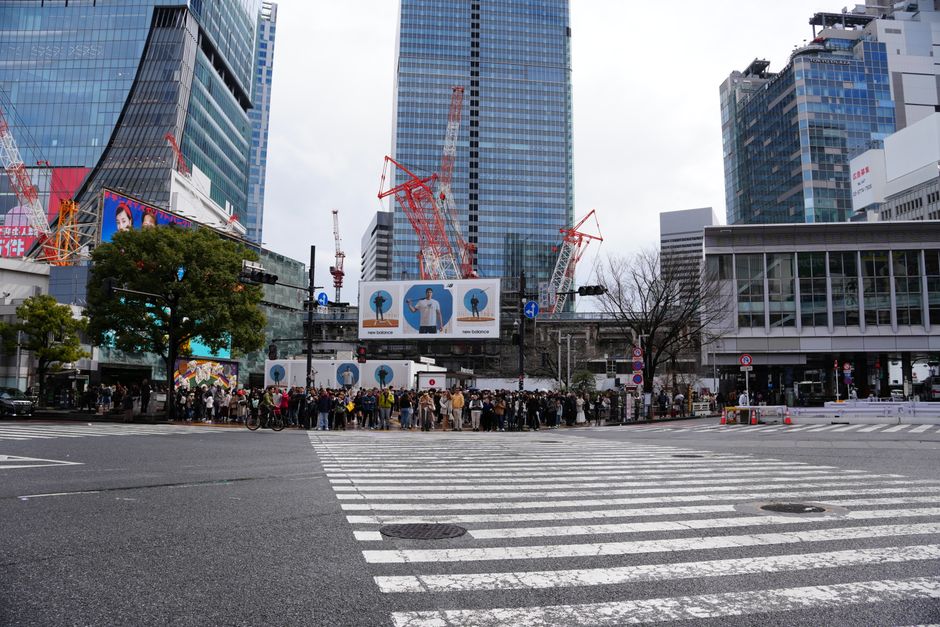
Environmental groups and neighborhood associations in Shibuya and Shinjuku have raised concerns about construction impacts on already congested districts. The proposed underground pedestrian network expansion beneath Shibuya Station has generated particular debate, with local business owners expressing both enthusiasm and apprehension about multi-year disruption.
Meanwhile, the Tokyo 2032 Olympic Coordination Committee has signaled that transport readiness will be a central planning focus, with officials suggesting that outstanding infrastructure gaps must be resolved by 2030. This timeline has effectively accelerated several previously scheduled projects.
The consensus among transport experts appears cautious: Tokyo's infrastructure remains globally competitive, but deferred maintenance and demographic shifts demand decisive action. What remains unclear is whether current funding mechanisms and political will can sustain the pace officials are projecting.
This article was compiled by AI from the sources linked above and screened before publishing. See our editorial standards.