Tokyo's Transport Overhaul Sparks Debate Among Officials and Urban Planners
City administrators and transit experts weigh in on ambitious plans to reshape commuter corridors ahead of 2030 Olympics preparations.
City administrators and transit experts weigh in on ambitious plans to reshape commuter corridors ahead of 2030 Olympics preparations.
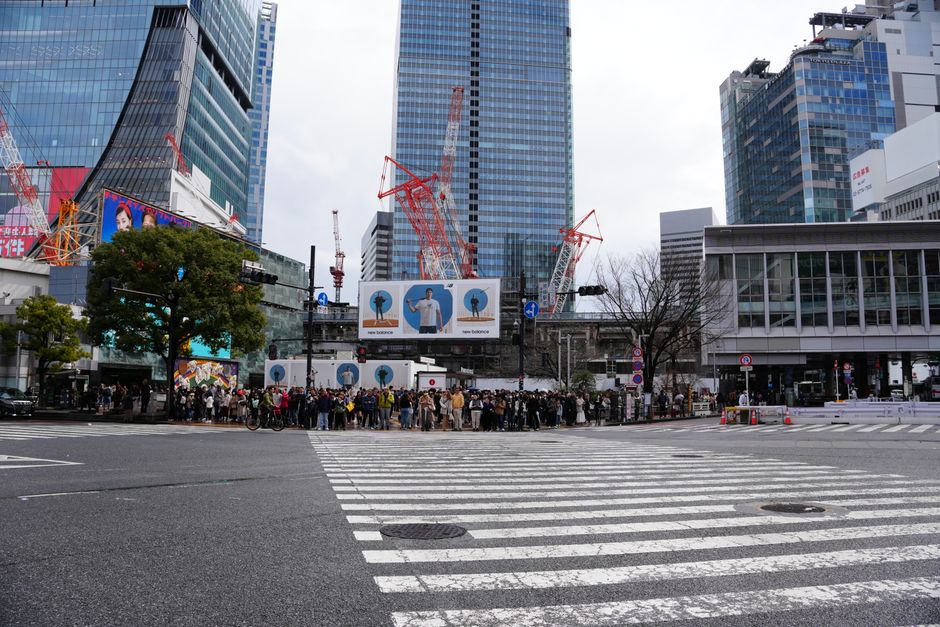
Tokyo's metropolitan government has unveiled a contentious proposal to redesign major transit arteries across Chiyoda, Shibuya and Minato wards, prompting heated discussion among city officials, transportation analysts and business leaders about feasibility, costs and social impact.
The Metropolitan Government's Department of Transportation released preliminary figures suggesting a ¥480 billion investment over five years to modernise aging rail infrastructure and expand dedicated bus lanes along key thoroughfares including Roppongi-dori and the Shinjuku-Shibuya corridor. Officials argue the initiative is necessary to reduce congestion that costs the metropolitan economy an estimated ¥1.8 trillion annually in lost productivity.
"We are facing a critical juncture," stated a spokesperson for the TMG's Urban Development Bureau during a June 28 press briefing at the Kasumigaseki government complex. "Current infrastructure was designed for different era. By 2030, we must demonstrate Tokyo as a world-class, sustainable transport network."
However, the proposal has drawn scrutiny from multiple quarters. The Tokyo Chamber of Commerce expressed concerns about temporary disruptions to Ginza's retail sector, where construction could span 18-24 months. Local business associations operating around Shinjuku Station—Japan's busiest transport hub—have requested detailed mitigation plans.
Dr. Hiroshi Tanaka, professor of urban planning at Tokyo Metropolitan University, acknowledged trade-offs inherent in the scheme. "The vision is sound," he noted in recent remarks to media, "but implementation details require extraordinary precision. Even minor miscalculations could strain districts already navigating demographic shifts and economic pressures."
Transportation advocates have largely backed the initiative. Environmental groups view expanded bus rapid transit networks as critical to Tokyo's carbon-neutrality targets by 2050. Disability rights organisations praised provisions for improved accessibility at 47 station facilities across the three target wards.
The Tokyo Metropolitan Assembly will consider the proposal at committee hearings scheduled for mid-July. Ward assemblies in Shibuya and Minato have already scheduled public consultation sessions, with the Chiyoda assembly planning forums at venues including the Hibiya Public Hall throughout July.
Senior Vice Governor Akira Nakamura indicated the metropolitan government remains open to modifications. "We welcome rigorous scrutiny," his office communicated to The Daily Tokyo. "This reflects genuine commitment to securing consensus from residents and stakeholders before proceeding."
Financial analysts project the initiative could unlock supplementary private investment, potentially attracting domestic and international transit technology companies to establish Tokyo research facilities.
This article was compiled by AI from the sources linked above and screened before publishing. See our editorial standards.
How does this story make you feel?
Spread the word
About this article
Published by The Daily Tokyo
Daily brief
Free, in your inbox before 7am. Weekdays.
More in News