Tokyo's Transport Future Takes Shape as Officials Map Next Phase of Metropolitan Expansion
City planners and transit experts outline ambitious upgrades to rail networks and urban corridors as Tokyo prepares for post-Olympic infrastructure demands.
City planners and transit experts outline ambitious upgrades to rail networks and urban corridors as Tokyo prepares for post-Olympic infrastructure demands.
Tokyo's transport infrastructure enters a critical juncture, with metropolitan officials and industry experts converging on strategies to modernize ageing systems while managing unprecedented urban density. Recent briefings from the Tokyo Metropolitan Government and Japan Railways (JR) reveal competing priorities as the city grapples with aging infrastructure in central wards like Chiyoda and Minato, alongside suburban expansion pressures.
The Metropolitan Government's latest infrastructure assessment, released earlier this month, emphasizes accelerating the completion of Phase 2 of the Fukutoshin Line extension toward Kawagoe. Transportation officials cite growing congestion on existing northeast corridors as justification for the 47-billion-yen investment, which would reduce commute times from the suburbs by an estimated 12 minutes during peak hours.
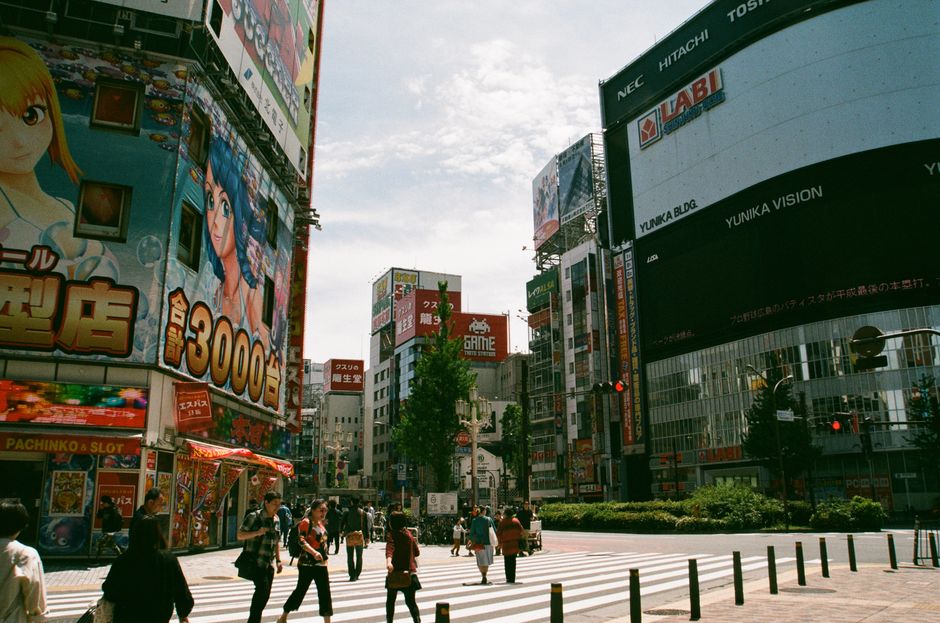
"We're facing a 40-year-old infrastructure base in many sections," noted a spokesperson from the Bureau of Transportation at a June briefing, pointing to deteriorating track conditions along portions of the Chuo and Sobu lines that serve millions of commuters daily. The agency has allocated 89 billion yen across fiscal year 2026-2027 for maintenance upgrades, with particular focus on the Shibuya-Shinjuku corridor, where pedestrian volumes regularly exceed 2.7 million daily users.
Meanwhile, transport economists at Tokyo Metropolitan University have raised concerns about funding models for proposed expressway improvements in Koto and Edogawa wards. The institution's recent policy brief questioned whether toll increases on the Central Circular Route—already at 1,050 yen for standard vehicles—would generate sufficient revenue for the proposed elevated highway expansion near Tsukiji.
JR officials have remained circumspect about proposed service expansions, emphasizing operational constraints on the Yamanote Line's 34.5-kilometer loop. Current capacity utilization during morning commutes reaches 199 percent on some inner-loop sections, surpassing safety margins established by Japan's transport authorities.
Bus rapid transit emerges as a more immediately viable option, according to comments from municipal transport coordinators. A new dedicated bus corridor on Roppongi-dori, opening in September, represents a pilot program that could inform broader transit strategies across central Tokyo.
Private sector involvement remains contentious. Several real estate development firms have proposed integrated transit-retail complexes near major stations, though residents' associations in Minato and Shibuya have expressed reservations about density increases and cultural preservation.
The Tokyo Metropolitan Government has scheduled a public consultation period through August, inviting community input before finalizing the 2027-2035 transport master plan. Officials emphasized that solutions must balance modernization demands against livability concerns facing Japan's capital.
This article was compiled by AI from the sources linked above and screened before publishing. See our editorial standards.
How does this story make you feel?
Spread the word
About this article
Published by The Daily Tokyo
Daily brief
Free, in your inbox before 7am. Weekdays.
More in News