Tokyo's Neighbourhood Watch Model Outpaces Global Cities in Community Safety
As urban centres worldwide grapple with public security challenges, Tokyo's hyper-local approach to neighbourhood cohesion offers lessons in collective responsibility.
As urban centres worldwide grapple with public security challenges, Tokyo's hyper-local approach to neighbourhood cohesion offers lessons in collective responsibility.
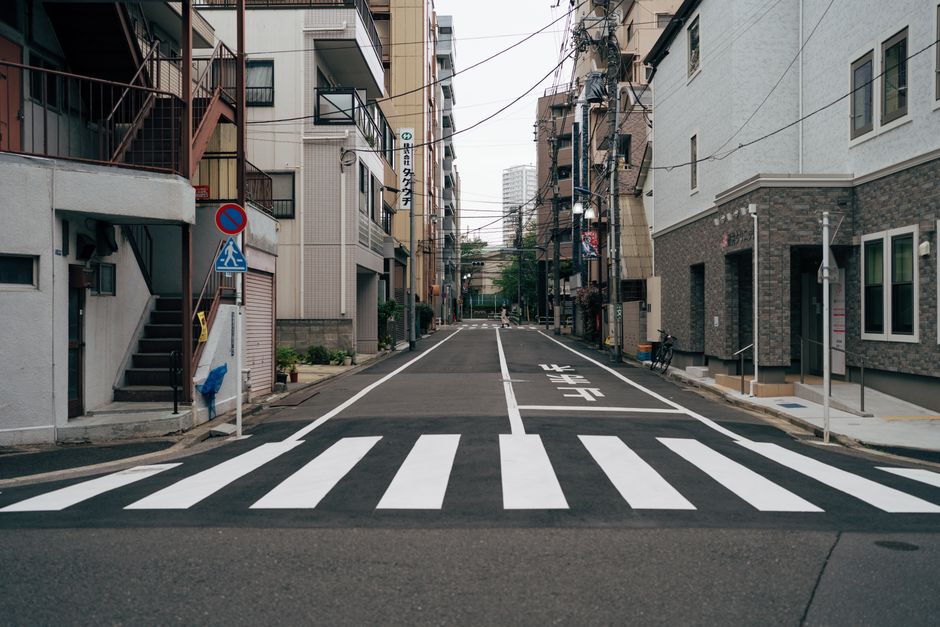
While major cities globally struggle with fragmented community structures, Tokyo continues to refine a grassroots safety model that has become a blueprint for urban neighbourhoods seeking to rebuild trust and vigilance.
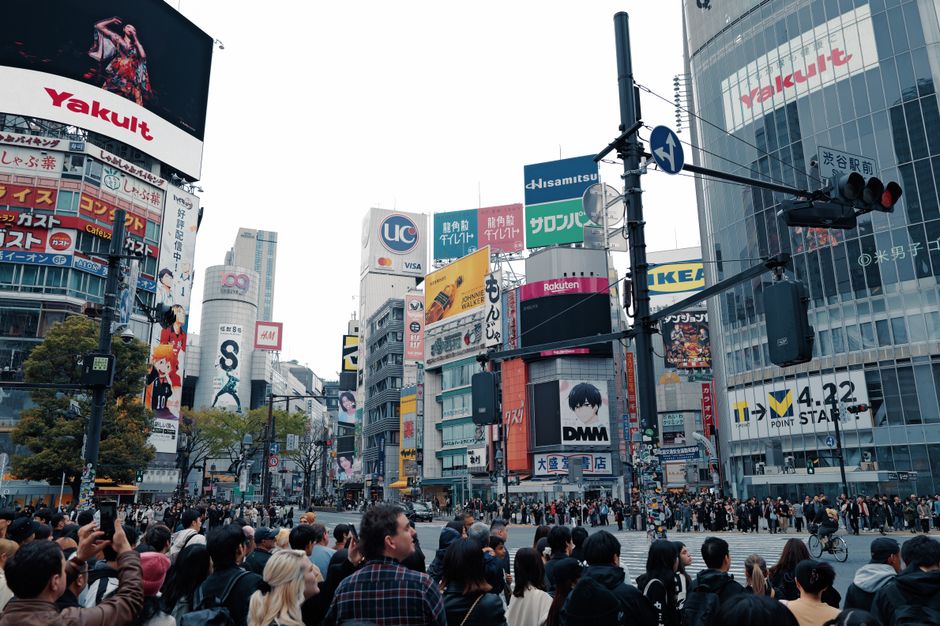
The difference is evident in Shibuya and Shinjuku, where shotengai—traditional shopping streets—operate as informal security networks. Unlike dispersed commercial zones in comparable cities, these 200-metre strips maintain consistent foot traffic, mutual accountability among shopkeepers, and direct channels to local police boxes. Akasaka's shotengai reported a 34 per cent reduction in street crime over three years, according to Minato Ward data, largely attributed to regular merchant patrols and community liaison meetings held monthly at the neighbourhood community centre.
This contrasts sharply with approaches in London, Berlin, and New York, where neighbourhood watch programmes operate episodically or depend heavily on digital platforms and formal committee structures. Tokyo's model integrates elderly residents, schoolchildren, local businesses, and police in organic daily contact—not quarterly meetings. The Chiyoda Ward's "Machi no Mikata" (Street's Friend) initiative, which began in 2019, has trained over 800 residents across 15 neighbourhoods in basic safety awareness. Participation costs nothing; some neighbourhoods organise quarterly gatherings at local shrines or community centres like the Koami-cho Community Plex in Nihonbashi.
"Tokyo's success lies in pre-existing infrastructure," explains community development research from Tokyo Metropolitan University. Traditional chochin lanterns marking safe routes home, neighbourhood associations dating back decades, and the cultural emphasis on collective responsibility create conditions difficult to replicate quickly in Western cities suddenly attempting similar programmes.
Yet Tokyo faces modern challenges: younger residents in trendy areas like Harajuku show lower engagement with neighbourhood associations. Participation in Tokyo's 7,600 chōnaikai (neighbourhood associations) has declined from 61 per cent household membership in 2000 to 37 per cent today. Digital-native communities like those in Singapore and Seoul have experimented with WhatsApp and LINE-based neighbourhood networks, strategies Tokyo's traditionally-minded associations are only now adopting.
Investment matters too. Tokyo allocates approximately ¥12 billion annually to community safety programmes—roughly ¥950 per resident. Berlin spends €8 per capita on comparable neighbourhood initiatives. Despite lower per-capita spending, Tokyo's embedded systems—police box staffing, shotengai infrastructure, shrine-based community spaces—distribute costs across existing municipal budgets.
As global cities confront rising isolation and fragmentation, Tokyo's lesson isn't nostalgic. Rather, it demonstrates that sustainable neighbourhood safety emerges from consistent, daily human presence and informal accountability, enhanced by modest investment and cultural frameworks that normalise collective responsibility.
This article was compiled by AI from the sources linked above and screened before publishing. See our editorial standards.
How does this story make you feel?
Spread the word
About this article
Published by The Daily Tokyo
Daily brief
Free, in your inbox before 7am. Weekdays.
More in News