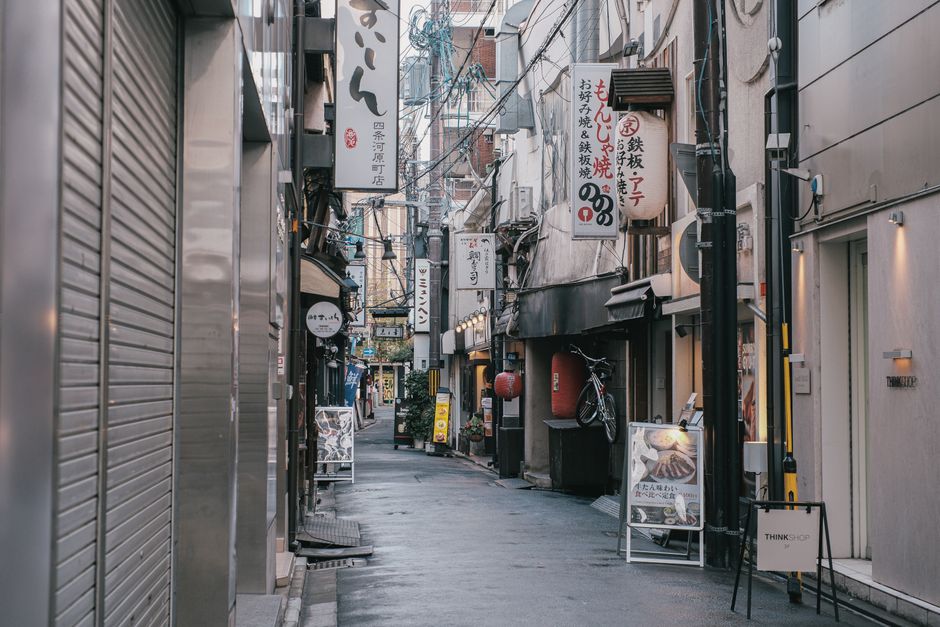
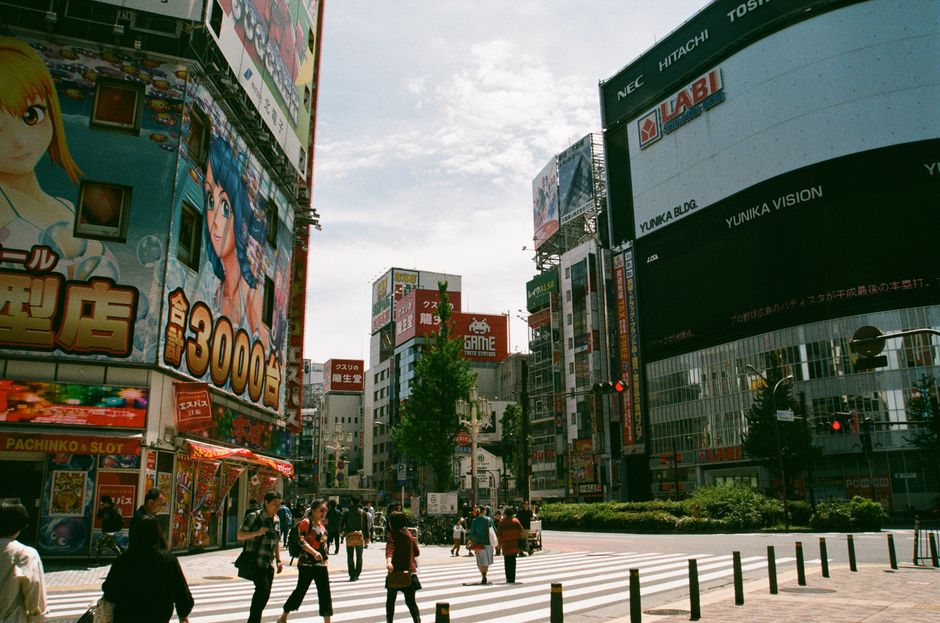
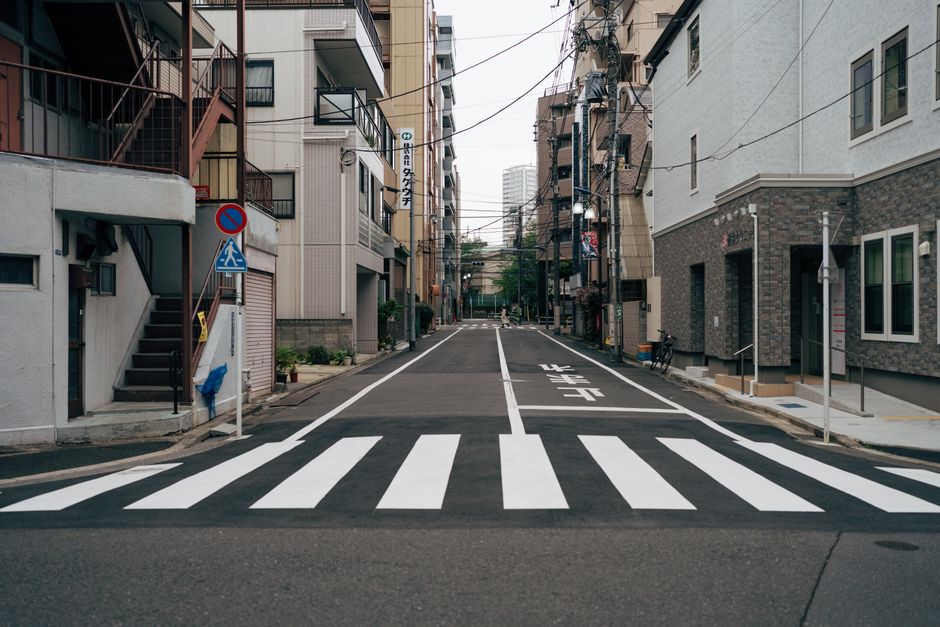
The jackhammers are set to arrive on Meiji-dori in Shibuya by August, marking the start of a ¥47 billion underground expressway connector that will ultimately link the Yamanote loop with the Shinjuku area. But for the dozens of small businesses lining the thoroughfare—from ramen shops to vintage clothing boutiques—the news of three to four years of construction feels less like urban progress and more like a slow-motion threat to their livelihoods.
"We're worried about foot traffic completely drying up," said Takeshi Nakamura, manager of a family-run café in the Sendagaya district that has operated for 28 years. "Our regular customers come because they pass by. What happens when there's a construction barrier instead?"
The Metropolitan Government projects the completed expressway will reduce congestion by 15 percent on surrounding streets and cut average commute times in the area by seven minutes. Officials cite benefits for the 2.7 million people who pass through Shibuya daily. Yet the Tokyo Small Business Association, which surveyed 180 shops in the project zone, found 62 percent expressed serious concerns about viability during construction, with anticipated revenue drops of 30 to 50 percent.
Compensation schemes exist—the government offers relocation subsidies averaging ¥8 million and temporary shop support grants—but business operators argue these fall short of actual losses. "Eight million yen doesn't cover relocation costs in this neighborhood," noted Yuki Tsuruta, owner of a flower shop near Omotesando. "And a grant doesn't replace customers who've moved their habits elsewhere."
The project has also stirred debate among residents of the nearby Jingu-mae residential blocks, where noise projections during peak construction hours could reach 85 decibels—comparable to heavy traffic. The Tokyo Metropolitan Police Department has already fielded noise complaints from preliminary surveys.
City planners have committed to monthly community liaison meetings and promise traffic management strategies to maintain some access routes. The Shibuya Ward Office established a dedicated support desk in May, though frustrated business owners say they received little warning before the public announcement.
"This is happening to us, not for us," said Hiroshi Sato, who manages a bookstore near the construction site. "We understand Tokyo needs infrastructure. But when you're told your street will be torn up for years, with half-measures to soften the blow, it's hard to feel like a partner in progress."
The first phase begins mid-August.
This article was compiled by AI from the sources linked above and screened before publishing. See our editorial standards.