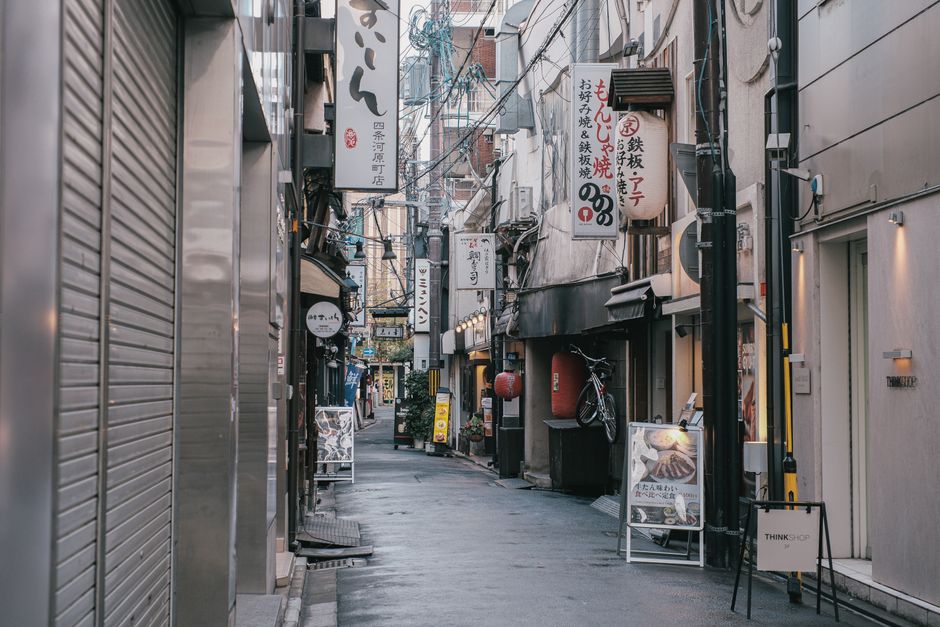
The bustling izakayas and convenience stores of Ikebukuro's multicultural quarter hum with anxious conversation these days. Foreign residents—numbering over 380,000 in Tokyo alone—are confronting a defining moment as policymakers in the Diet prepare to vote on sweeping migration reforms by September, and the outcomes remain far from certain.
At the Shinjuku Multicultural Community Center on Meiji-dori, where over 2,000 migrants seek advice monthly, counsellors report a surge in inquiries about visa pathways, housing security, and family reunification rules. "People want clarity," says a spokesperson for the Japanese Red Cross Tokyo Chapter, which coordinates support services. "The current uncertainty is paralyzing decision-making."
The stakes are real. Japan's workforce contracted by 644,000 people last year, forcing retailers, construction firms and care facilities to depend increasingly on visa holders. Yet proposed amendments to the Immigration Control and Residence Management Act remain contentious—balancing labour market needs against concerns about social infrastructure strain and housing availability in already-crowded wards like Taito and Chiyoda.
Three critical decisions loom before autumn. First: whether Japan will expand the "Highly Skilled Professional" category to include mid-tier workers in hospitality and elder care—sectors where vacancies exceed 200,000 nationally. Second: clarification of spousal and child visa criteria, which currently force many families into transnational limbo. Third: rent subsidy proposals for migrant workers earning below ¥2.8 million annually, addressing Tokyo's skyrocketing housing costs.
Meanwhile, grassroots organizations are mobilizing. The Tokyo Immigrant Support Network, operating from offices in Taito-ku, has launched a community petition, while the Network for Multicultural Coexistence holds weekly forums in Roppongi and Ikebukuro attracting hundreds.
For people like those attending ESL classes at community centers in Shibuya and Minato-ku, the waiting game is exhausting. Many have built lives here—jobs, relationships, children in Japanese schools. Yet visa uncertainty means postponing major commitments: home purchases, business registrations, or bringing elderly parents to Japan.
The Diet's August recess will prove crucial. If reforms stall, the government may issue interim administrative guidance, offering limited relief. If they advance, implementation timelines remain unclear—potentially leaving migrants in limbo through 2027.
For Tokyo's multicultural fabric to thrive, clarity cannot wait. Residents deserve transparent decisions soon.
This article was compiled by AI from the sources linked above and screened before publishing. See our editorial standards.