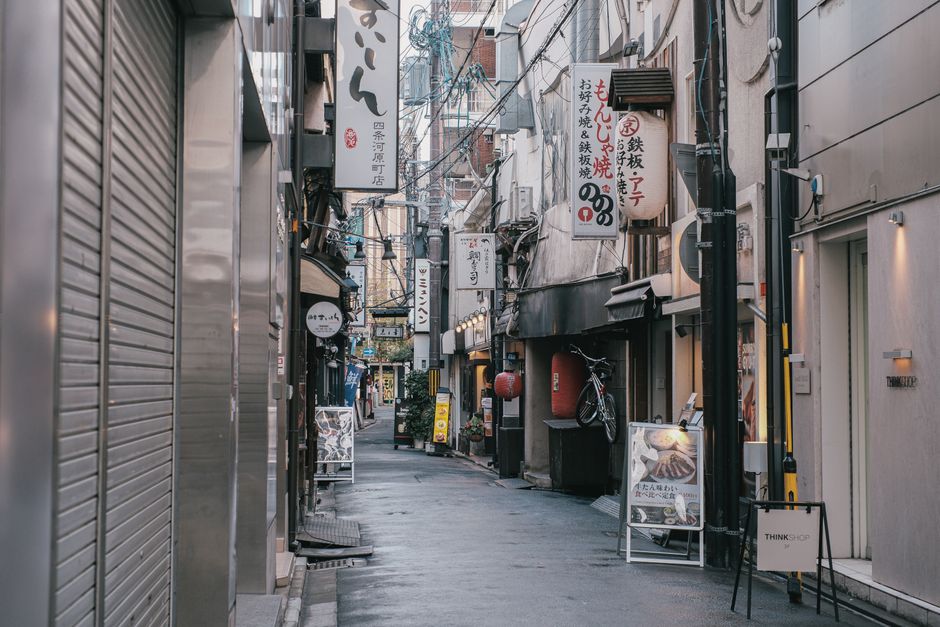
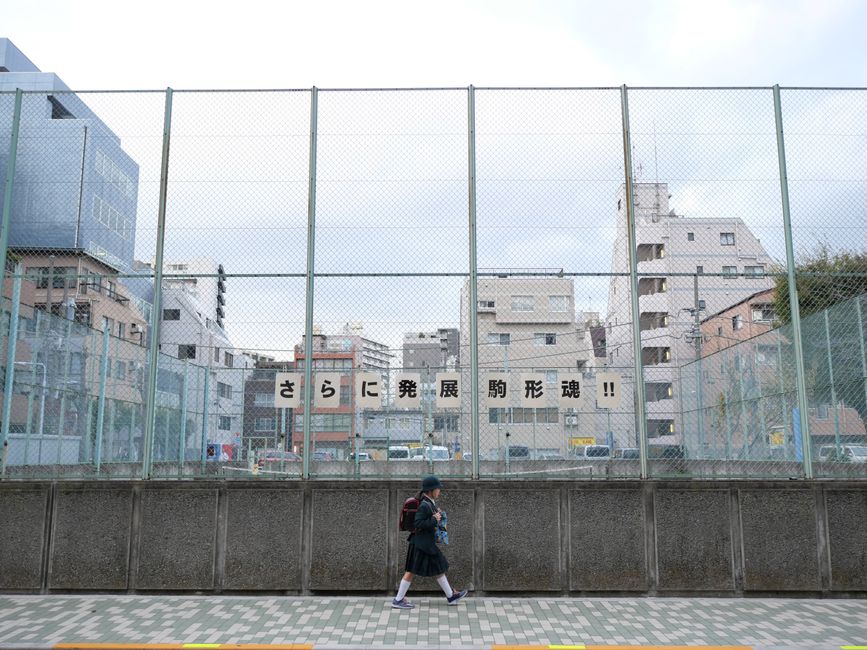
Walking through Shibuya's residential streets on a Tuesday evening, you'll notice something increasingly rare in major global cities: groups of residents in matching yellow safety vests conducting casual patrols, clipboard in hand. These are members of the neighbourhood watch networks that blanket Tokyo's 23 wards, a hyper-local approach to community safety that stands in sharp contrast to how London, Berlin, and New York are wrestling with similar challenges.
Tokyo operates roughly 2,400 neighbourhood councils—called 'jichikai' or 'chonaikai'—covering everything from crime prevention to disaster preparedness. In Minato Ward alone, where property prices exceed ¥8 million per square metre in premium areas, these volunteer-run groups coordinate with local police to maintain what statistics show is one of the world's lowest violent crime rates: just 0.3 homicides per 100,000 residents annually.
"The difference is profound," explains Dr. Hiroshi Tanaka, an urban criminologist at Waseda University. "European and American cities have largely outsourced community safety to police departments and private security. Tokyo never abandoned the idea that neighbours have responsibility for neighbours."
In Chiyoda Ward's Marunouchi district—a dense financial hub comparable to London's Canary Wharf or Berlin's Mitte—the local jichikai runs monthly meetings, organizes youth mentoring programs, and maintains communication networks that activate within minutes during emergencies. Membership costs around ¥500 annually per household. By comparison, Neighbourhood Watch programs in equivalent London boroughs operate with fragmented volunteer bases and minimal municipal coordination.
The 2011 Tōhoku earthquake proved this system's value. While many Western cities would have relied on official government channels, Tokyo's neighbourhood networks activated instantly, accounting for the first 72 hours of community care before formal aid arrived. Similar disasters in New York and Berlin revealed significant gaps in grassroots emergency response infrastructure.
Yet Tokyo's model isn't without challenges. Younger residents in areas like Shibuya and Shinjuku show declining participation rates, with some jichikai struggling to attract members under 40. The system also relies heavily on elderly volunteers—some councils have average ages exceeding 68.
Still, as Berlin implements new community policing initiatives and London expands neighbourhood schemes following recent crime surges, Tokyo's approach offers a template: that safety emerges not primarily from surveillance or enforcement, but from the deliberate cultivation of social bonds at the most granular level of city life. For a metropolis of 14 million people, that's a lesson worth exporting.
This article was compiled by AI from the sources linked above and screened before publishing. See our editorial standards.