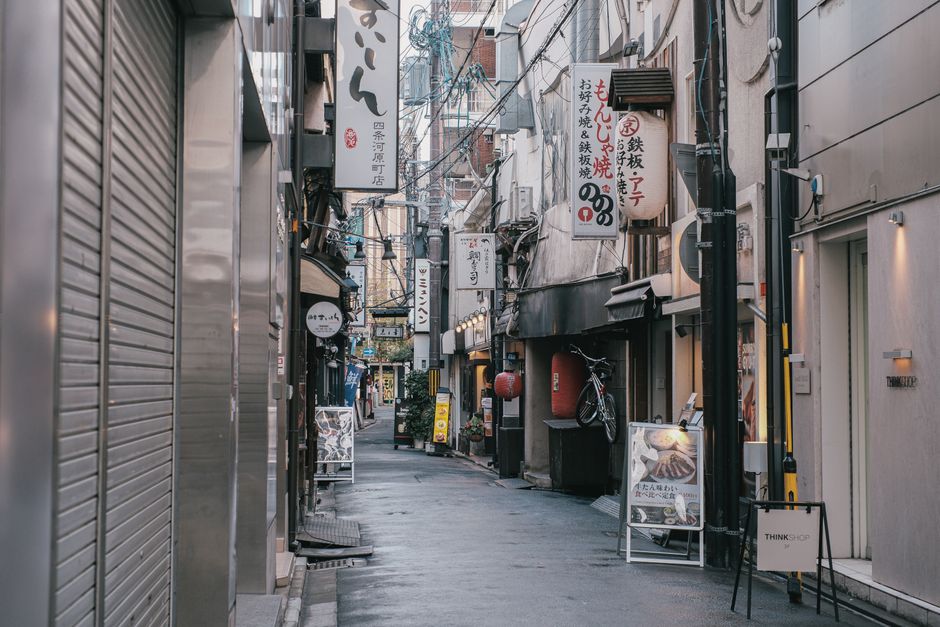
Walk through Ikebukuro on a Saturday afternoon and the linguistic tapestry is unmistakable: Mandarin, Vietnamese, Tagalog, and Portuguese blend with Japanese on storefronts and in conversations. Yet this vibrant reality would have seemed unthinkable in the early 2000s, when Tokyo's foreign resident population hovered around 200,000. Today, that figure exceeds 600,000—a transformation rooted in decades of gradual policy evolution and economic necessity rather than sudden cultural enlightenment.
The inflection point came in the 2010s. Japan's working-age population began its inexorable decline, and Tokyo's service sector faced acute labour shortages. The government's initial response was cautious: expanding technical intern programs and loosening visa restrictions for specific industries. But the 2016 Strategic Council on Economic and Fiscal Policy made the philosophical break explicit, acknowledging that immigration wasn't a temporary fix but a structural requirement. By 2018, the revised Immigration Control and Refugee Recognition Act had passed, formally opening doors to foreign workers in 14 categories, from healthcare to construction.
This policy shift rippled through neighbourhoods like Ota and Koto wards, which today host significant Vietnamese and Pakistani communities respectively. The Philippine community in Roppongi and Azabu-Juban, once predominantly expat enclaves for corporate workers, expanded to include nurses, caregivers, and domestic workers—a demographic shift the government actively encouraged to address elder-care shortages.
Yet integration infrastructure lagged behind migration rates. Community centres in Shinjuku and Shibuya scrambled to provide Japanese language classes; the cost of a three-month intensive program at established institutions like the ARC Japanese Language School runs approximately ¥250,000. Neighbourhood associations adapted slowly. The Multicultural Coexistence Promotion Section, established within Tokyo Metropolitan Government in 2008, remained understaffed for years, operating with limited budget and visibility.
What changed perception, however, wasn't top-down policy but bottom-up integration. When the 2020 Olympics required 80,000 volunteers, foreign residents participated visibly. When COVID-19 hit, migrant workers in essential sectors became unmistakably vital to Tokyo's functioning. Community groups in areas like Taito ward, where foreign residents comprise nearly 12 percent of the population, began organizing multilingual disaster preparedness workshops and cultural exchange events.
Today's multicultural Tokyo didn't emerge from progressive ideology alone. It resulted from demographic arithmetic, labour market pressures, and incremental policy adjustments that Japanese society accepted partly because the alternative—population collapse—seemed worse. Understanding this backstory matters: Tokyo's integration journey remains incomplete, ongoing, and frankly, largely invisible to the majority Japanese population who haven't yet fully reckoned with what their city has become.
This article was compiled by AI from the sources linked above and screened before publishing. See our editorial standards.